Strategic Shift or Diplomatic Blunder? The Fallout from Trump’s US Troop Withdrawal from Germany

The geopolitical landscape of 2026 is shifting rapidly. In a move that has sent shockwaves through Washington and Brussels, the Trump administration has officially ordered the withdrawal of approximately 5,000 US troops from Germany. This decision, aimed at recalibrating the American military footprint in Europe, has sparked an immediate and rare public rebuke from high-ranking members of the President’s own Republican Party, as well as deep concern from NATO leadership.
As the administration cites “theatre requirements” and long-standing frustration over European defense spending, the move raises critical questions about the future of transatlantic security. With the backdrop of ongoing global conflicts, including the war in Iran, this pivot is being viewed by many as a high-stakes gamble that could weaken the Western alliance at its most vulnerable hour.
The Anatomy of the Drawdown: Why Now?
The Pentagon, led by Secretary Pete Hegseth, confirmed that the withdrawal process is expected to span the next six to 12 months. This reduction represents a significant portion of the roughly 35,000 US personnel currently stationed in Germany, which serves as the primary hub for American military operations in the region.
The administration’s rationale appears to be twofold: a desire to punish European allies for their perceived lack of support in the ongoing conflict with Iran and a broader, long-term strategy to force Europe to shoulder more of its own defense burden. President Trump has been particularly vocal about his frustration, even pairing the troop reduction announcement with a 25% tariff on European-made cars and trucks, signaling a multifaceted approach to economic and military leverage.
A Rare Republican Rebuke
Perhaps the most surprising aspect of this development is the intensity of the pushback from Capitol Hill. Traditionally aligned with the President on military policy, key Republican figures have broken rank to voice their opposition.
Senator Roger Wicker (R-MS), chair of the Senate Armed Services Committee, and Representative Mike Rogers (R-AL), who leads the House Armed Services Committee, issued a joint statement that labeled the move as “premature.” They argued that pulling forces out before European allies have fully developed the necessary capabilities to fill the gap is a strategic error.
Key Concerns from Lawmakers:
Undermining Deterrence: Critics argue that reducing the US presence in Germany weakens the collective security posture that keeps regional adversaries—specifically Vladimir Putin’s Russia—in check.
Sending the Wrong Signal: By withdrawing troops, the US risks signaling a lack of commitment to its NATO obligations, which could embolden hostile actors.
- Strategic Repositioning: Rather than a total withdrawal, both Wicker and Rogers suggested that moving these forces to the Eastern flank of NATO would be a more prudent way to maintain a strong deterrent against regional threats.
NATO’s Perspective: A Wake-Up Call for Europe
For NATO, this decision is not just a logistical hurdle; it is a political crisis. A spokesperson for the alliance noted that they are awaiting further details from the Pentagon, emphasizing that while NATO remains confident in its defensive capabilities, the move underscores the urgent necessity for Europe to ramp up its own defense investment.
Polish Prime Minister Donald Tusk has been among the most vocal critics of the administration’s trajectory, warning that the transatlantic alliance faces the risk of disintegration. Tusk’s plea for members to reverse this “disastrous trend” highlights the growing anxiety in Eastern Europe, where the presence of US troops is seen as the primary insurance policy against Russian aggression.
The Friction Between Berlin and Washington
The relationship between President Trump and German Chancellor Friedrich Merz has become increasingly strained. The tension reached a boiling point after Merz made blunt public comments regarding the US handling of the war in Iran, characterizing the administration’s strategy as humiliating.
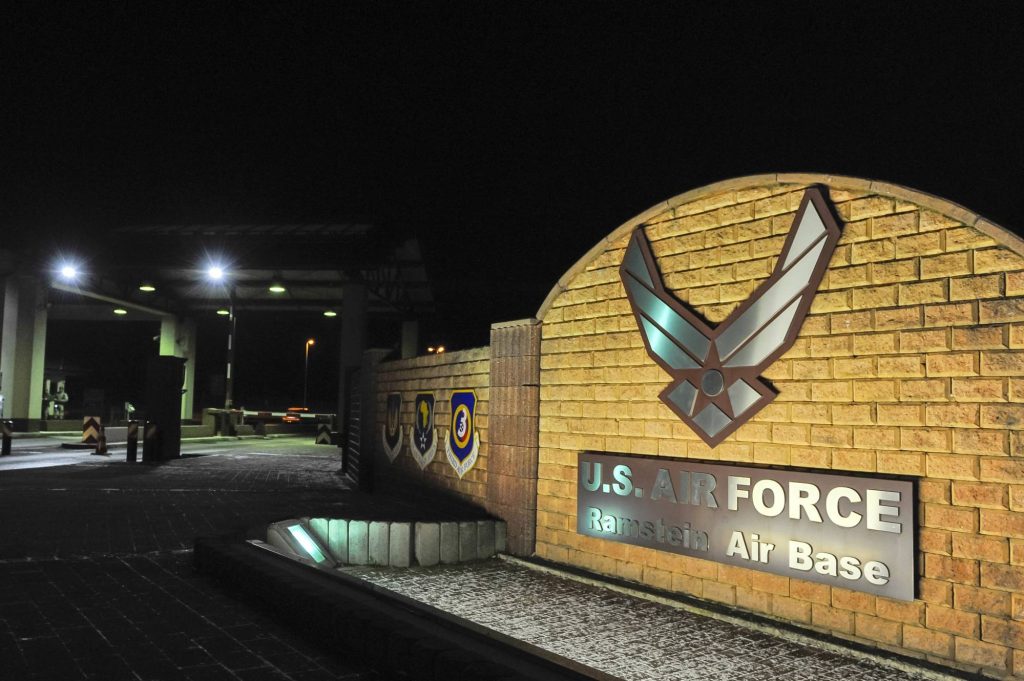
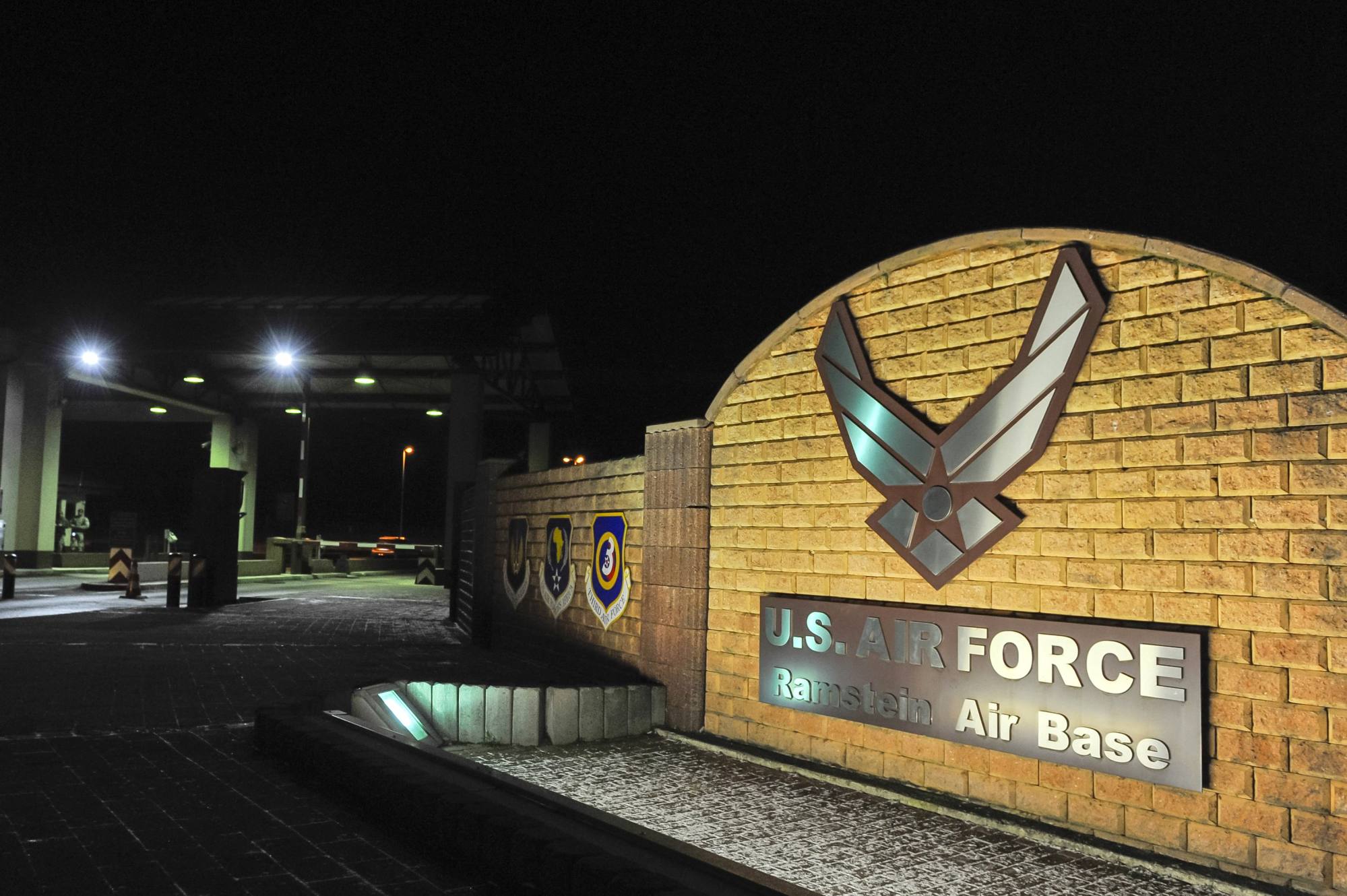
Despite these political clashes, German officials have maintained a posture of “calm.” German Defence Minister Boris Pistorius reiterated that while Europe must take more responsibility for its security, the presence of American troops in Germany remains a vital shared interest. Germany continues to provide land and infrastructure for critical bases like Ramstein and Grafenwoehr rent-free, underscoring the deep physical integration of the two militaries.
Legislative Hurdles and Future Outlook
This is not the first time President Trump has attempted to reduce the US military footprint in Germany. In 2020, similar efforts were effectively blocked by Congressional legislation. Given the current bipartisan concern—with Democrats like Senator Jack Reed calling the move a “serious mistake”—it is highly likely that the administration will face a significant legislative battle.
If the withdrawal proceeds as planned, it will mark a fundamental shift in the US-Europe relationship. The coming months will be a period of intense negotiation, with the Pentagon under pressure to explain exactly where these troops will be repositioned and how the US intends to maintain its global military commitments without compromising the stability of its most crucial European ally.
Conclusion: A Turning Point for Transatlantic Relations
The decision to withdraw 5,000 troops from Germany is more than a simple budgetary or logistical change; it is a reflection of a changing world order. As the United States pivots toward new priorities and demands greater accountability from its partners, the bedrock of the post-WWII security architecture is being tested as never before.
Whether this move leads to a more self-reliant and stronger Europe, or a fractured and vulnerable alliance, remains to be seen. What is certain is that the coming year will define the future of NATO and the strength of the transatlantic bond for a generation. As the Pentagon moves forward with the withdrawal, all eyes will be on how the alliance adapts to a world where the presence of American forces is no longer an absolute certainty.