Trump Claims Iran Hostilities Have ‘Terminated’: Navigating the Legal and Geopolitical Fallout of 2026


As of May 2026, the geopolitical landscape of the Middle East remains in a state of high tension. President Donald Trump has officially informed top United States lawmakers that military hostilities with Iran have “terminated,” a declaration that comes precisely as the administration reached a critical 60-day legal deadline under the War Powers Resolution.
This assertion effectively bypasses the requirement for formal congressional authorization for the military operation that began on February 28, 2026. While the administration points to a lack of direct fire between U.S. and Iranian forces since April 7, the reality on the ground—characterized by a heavy naval presence and an ongoing blockade—suggests a more complex, “frozen” state of conflict that has left both Washington and Tehran at a precarious impasse.
The Legal Maneuver: Bypassing the War Powers Resolution
At the heart of this controversy is the War Powers Resolution, a federal law intended to check the president’s power to commit the United States to an armed conflict without the consent of Congress. By the start of May 2026, the administration’s military operation had reached its 60-day mark, the legal limit for unauthorized deployments.
Why the “Terminated” Claim Matters
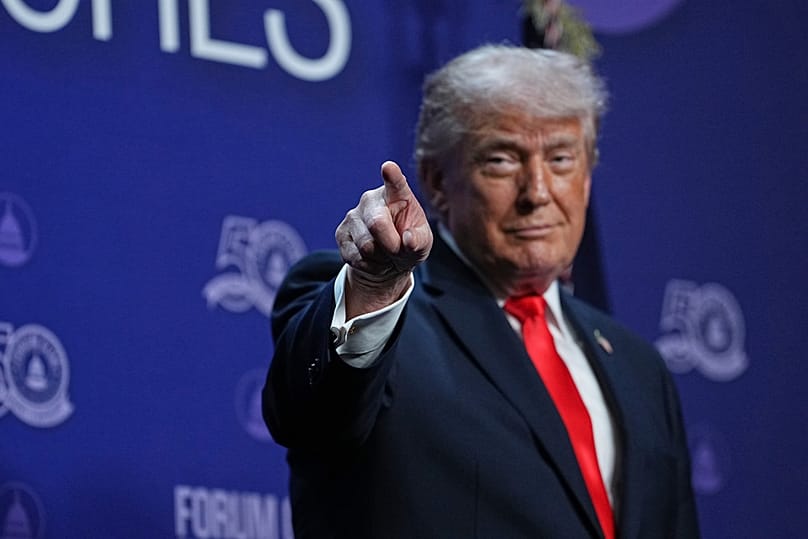
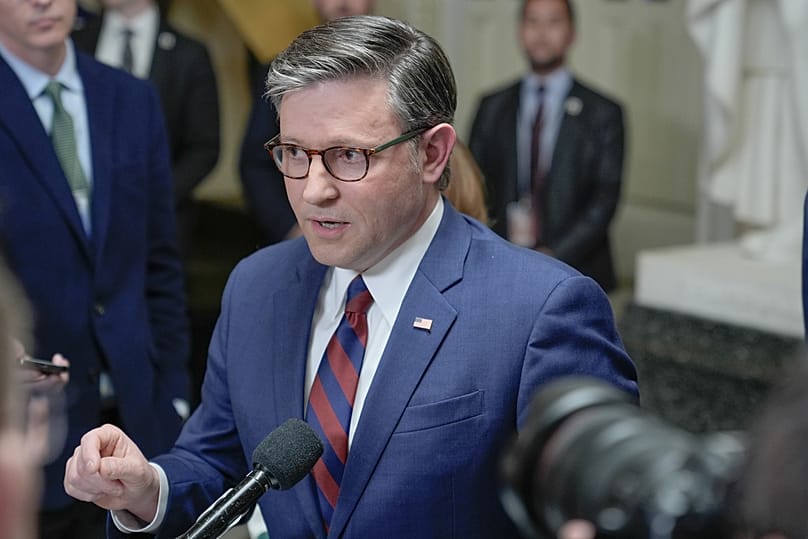
President Trump’s letter to House Speaker Mike Johnson and Senate President pro tempore Chuck Grassley serves as a strategic legal shield. By defining the current situation as a cessation of hostilities, the White House argues that the specific triggers requiring congressional approval are no longer active.
However, critics argue that a “ceasefire” or a lull in direct combat does not equate to the end of a war. With U.S. aircraft carriers still patrolling the region and naval strike groups maintaining a blockade of Iranian ports, the definition of “hostilities” is being tested in real-time.
The State of the Conflict: A “Disjointed” Negotiation
Despite the claim that the war has ended, the President has been clear in his public remarks that the threat posed by the Iranian regime remains significant. The administration’s approach to diplomacy has been described as erratic, particularly regarding recent attempts to broker a deal via Pakistani mediators.
Frustration with Iranian Leadership
President Trump expressed clear dissatisfaction with recent truce proposals from Tehran. During a press briefing at the White House, he characterized the Iranian leadership as “disjointed” and “messed up,” noting that while they appear eager to strike a deal, their internal fracturing makes the process volatile.
Key points of contention:
Negotiation Breakdown: In-person talks in Pakistan were abandoned due to logistical frustrations.
Unacceptable Demands: The President noted that Iran’s current proposals include terms that the U.S. cannot agree to at this time.
Ongoing Pressure: The naval blockade remains a primary leverage point for the White House to force a more favorable outcome.
Geopolitical Implications: The View from Tehran and Washington
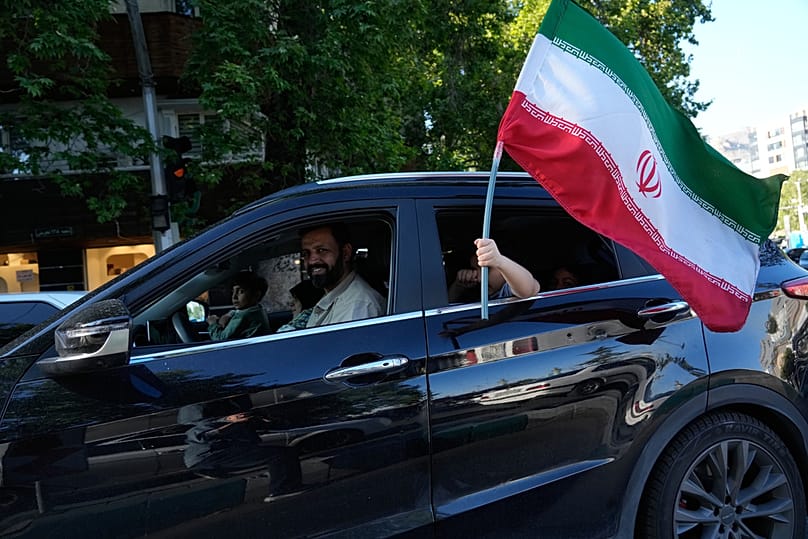
The situation on the ground in Iran contrasts sharply with the rhetoric coming from the Oval Office. While the U.S. claims the conflict is over, the presence of military hardware and the enforcement of a naval blockade signal that the “military operation” has merely transitioned into a state of economic and strategic containment.
Regional Stability in 2026
The international community is watching closely as the U.S. attempts to define the boundaries of modern warfare. By avoiding a formal vote in Congress, the Trump administration is setting a precedent for how future executive branches might interpret the War Powers Act during prolonged, low-intensity conflicts.

Conclusion: A Precarious Peace
As we move deeper into the second quarter of 2026, the “termination” of hostilities remains a fragile concept. While the letter to Congress successfully navigated a immediate legal hurdle, the underlying tensions that sparked the February 28 conflict remain unresolved.
The strategy of “maximum pressure” continues to define the U.S.-Iran relationship, leaving the world to wonder if this is the beginning of a genuine de-escalation or merely a strategic pause before the next phase of the crisis. For now, the administration appears content to maintain its current military posture, banking on the idea that the threat of force is just as effective as the use of force itself.