Spirit Airlines Shuts Down: The End of an Era for Budget Travel

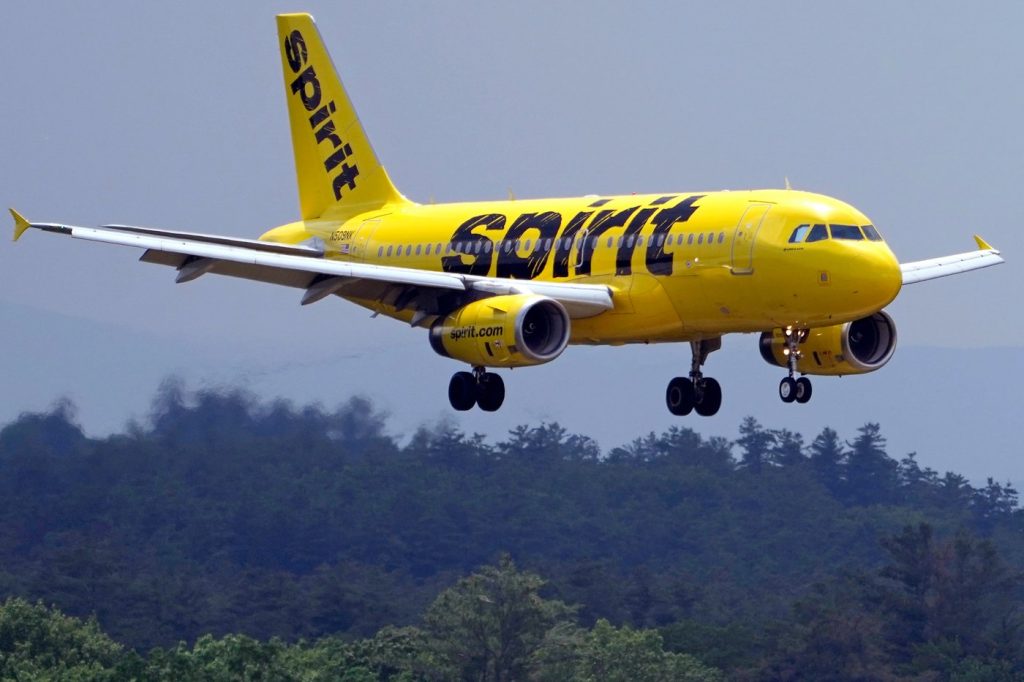
In a stunning development that has sent shockwaves through the aviation industry, Spirit Airlines has officially ceased operations, marking the end of its 34-year journey. The iconic budget carrier, famous for its bright yellow livery and “bare fare” business model, announced on Saturday that it is winding down all operations immediately. This historic collapse leaves thousands of passengers stranded, 17,000 employees out of work, and a massive void in the U.S. domestic air travel market.
The closure comes after a protracted financial struggle that saw the airline move through multiple bankruptcy proceedings, ultimately failing to secure the necessary government intervention to keep its wings in the air.
A Legacy of Disruption and Deep Discounts
For over three decades, Spirit Airlines served as the “impish upstart” of the skies. By stripping away the traditional frills of air travel—complimentary snacks, seat assignments, and carry-on bags—Spirit pioneered the ultra-low-cost carrier (ULCC) model in the United States. This approach made air travel accessible to millions of budget-conscious leisure travelers who might otherwise have been priced out of flying.
From its primary hubs in Fort Lauderdale, Orlando, and Las Vegas, the airline forced legacy carriers to rethink their own pricing strategies. However, the very model that fueled its growth eventually became its undoing as operating costs soared and the competitive landscape shifted dramatically.
The Financial Spiral: A Timeline of Decline
The decline of Spirit Airlines was not an overnight event; it was a multi-year erosion of capital caused by a “perfect storm” of economic factors. Since the onset of the COVID-19 pandemic in 2020, the carrier struggled to find its footing, recording losses exceeding $2.5 billion.
Key Factors in the Collapse:
Persistent Debt: By November 2024, the airline was already deep into Chapter 11 protection, carrying a debt load that proved insurmountable.
Rising Operational Costs: Skyrocketing jet fuel prices, exacerbated by the ongoing conflict in Iran, crippled the airline’s margins.
Failed Strategic Moves: The blocked 2023 merger with JetBlue denied Spirit the capital injection and structural support it needed to survive long-term.
Capacity Cuts: In a desperate attempt to conserve cash, the airline significantly reduced its fleet and flight frequency, leading to a sharp drop in passenger volume throughout early 2026.

The Failed Bailout and Political Fallout
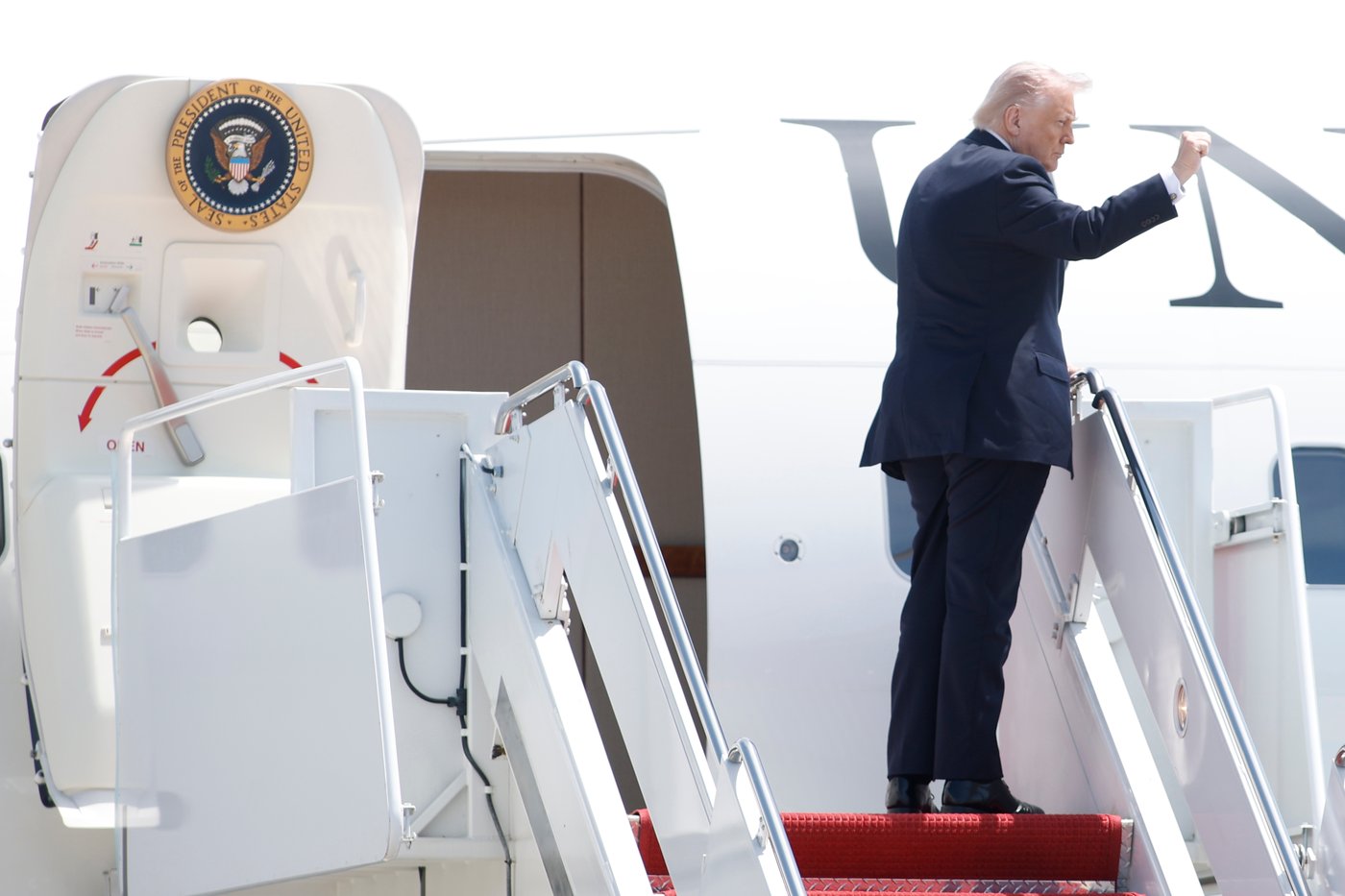
The final days of Spirit Airlines were marked by high-stakes negotiations between the company and the federal government. Last week, President Donald Trump confirmed that his administration was reviewing a “final proposal” for a taxpayer-funded rescue package to stabilize the airline.
Despite the administration’s interest in preventing a massive job loss, a deal could not be reached. Transportation Secretary Sean Duffy noted that while the government worked to provide pathways for Spirit employees to transition to other carriers, the financial reality of the airline’s $8.1 billion debt versus its $8.6 billion in assets made a government-led rescue too risky.
The failure to save the airline has sparked a significant political debate. Supporters of a bailout, including major labor unions, argued that the collapse would devastate the workforce and lead to higher airfares for consumers by reducing market competition. Conversely, administration officials have pointed to the Biden administration’s 2023 opposition to the JetBlue merger as a primary catalyst for the company’s inability to reach financial stability before the current crisis.
What This Means for Passengers
The immediate cessation of operations has left thousands of travelers with canceled flights and limited options. Here is what you need to know if you were booked on a Spirit flight:
- No Rebooking Assistance: Spirit has confirmed that it will not be facilitating bookings on other airlines.
- Refund Processes: The airline has advised customers to check with their credit card issuers or travel insurance providers to initiate chargebacks or claims.
- Limited Relief: Transportation Secretary Sean Duffy has indicated that a coalition of other airlines is offering “special pricing” for stranded Spirit passengers for a limited time.
- Employee Transition: Other major carriers are coordinating with the government to help absorb Spirit’s pilots and flight attendants, aiming to mitigate the impact on the 17,000 employees affected by the shutdown.
The Future of Air Travel Competition
The disappearance of Spirit Airlines marks the largest U.S. airline bankruptcy in over a decade. Analysts suggest that the market will likely see a short-term spike in airfares on routes where Spirit was the dominant low-cost player, such as the Florida-to-Las Vegas corridors.
Without the “Spirit effect” keeping prices artificially low, legacy carriers may face less pressure to compete on price, potentially changing the landscape for the average traveler. While the airline’s bright yellow planes will soon vanish from the tarmac, the debate over the importance of low-cost competition in the U.S. aviation sector is only just beginning.
Conclusion: A Final Landing
Spirit Airlines leaves behind a complex legacy. It was a disruptor that democratized flight for millions, but it was ultimately unable to survive a volatile economic environment and the weight of its own debt. As the industry processes this historic shutdown, the focus shifts to the thousands of employees now searching for new roles and the millions of travelers who must navigate a post-Spirit aviation market.
For now, the runways are clear, the yellow jets are grounded, and a significant chapter in American aviation has officially come to a close.