The Final Descent: Spirit Airlines Ceases Operations Following Failed White House Bailout

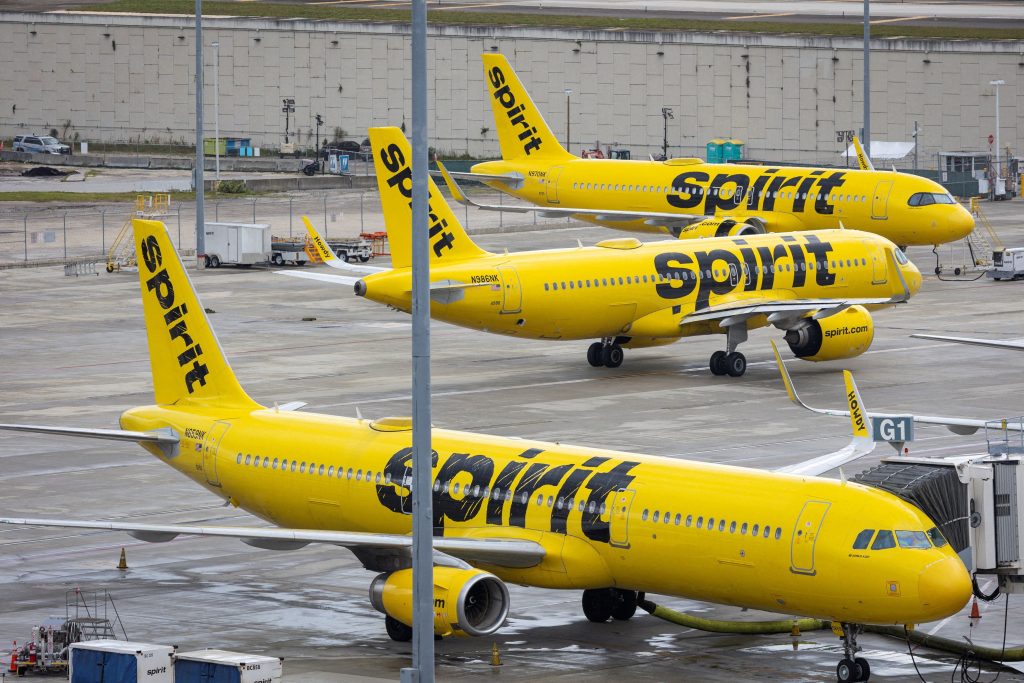
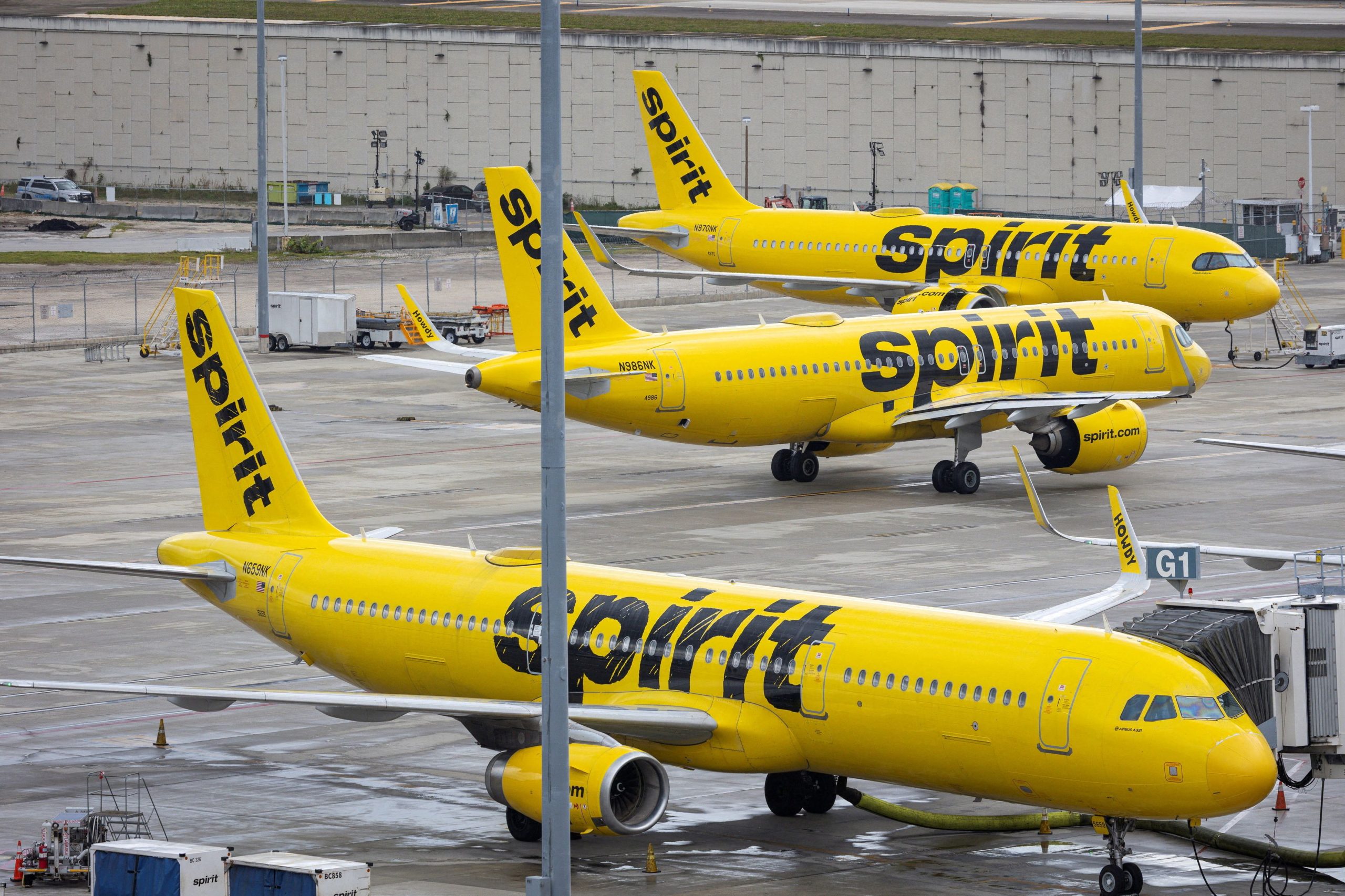
The aviation industry witnessed a historic collapse this Saturday as Spirit Airlines officially shut down all operations. This unprecedented move comes after a desperate, last-ditch effort to secure a $500 million federal rescue package from the White House ended in failure. For thousands of travelers, employees, and industry analysts, the news marks the end of an era for the budget carrier that once revolutionized the “no-frills” flight experience.
The airline, which had been struggling through its second bankruptcy since 2024, confirmed that it had no further liquidity to continue flights. With fuel costs skyrocketing due to the ongoing conflict in the Middle East and a lack of private investment, the company’s management had no choice but to initiate an immediate wind-down.
The Anatomy of a Collapse: Why the Rescue Deal Failed
For weeks, speculation swirled regarding the future of Spirit Airlines. President Donald Trump had publicly floated the idea of a government-backed rescue, suggesting that the administration was looking for a “good deal” to save the airline’s workforce. However, the proposal to provide $500 million in exchange for a significant government equity stake faced stiff resistance.
Political and Financial Hurdles
Inside the White House and among key Republican allies, the optics of bailing out a carrier that had already declared bankruptcy twice were problematic. Critics argued that the government should not be in the business of picking winners and losers in the private airline sector.
Ultimately, the deal fell through because:
Lack of Consensus: The administration could not align on the terms of the equity stake.
Market Volatility: Surging jet fuel prices, exacerbated by the war with Iran, made Spirit’s long-term business model look increasingly unsustainable to potential creditors.
Liquidity Crisis: Spirit required immediate cash injections that neither private equity nor the federal government was willing to provide under the current terms.
What This Means for Passengers: Refund Procedures and Support
If you have a flight booked with Spirit Airlines, the immediate directive from the company is clear: do not go to the airport. As of Saturday, all operations have ceased, and there are no active flights to facilitate travel.
How to Retrieve Your Funds
The airline has stated that it is automatically processing refunds for tickets booked directly through their website or customer service channels.
Direct Bookings: These should be processed automatically. If you do not see a reversal on your credit card statement within the coming weeks, contact your financial institution to initiate a chargeback.
- Third-Party Bookings: If you purchased your ticket through a travel agency or an online travel portal (OTA), you must contact that agency directly. They are responsible for managing your refund request.
The “Rescue Fare” Network
In an effort to prevent a travel catastrophe, the Department of Transportation, led by Secretary Sean P. Duffy, has coordinated with major carriers to assist stranded passengers. American Airlines, United Airlines, and Frontier Airlines have all announced “rescue fares” and capped pricing on routes previously serviced by Spirit. Travelers should visit the websites of these major carriers to find rebooking options.
The Broader Impact: A Shift in the Budget Travel Landscape
For two decades, Spirit Airlines was the disruptor of the American skies. By stripping away luxury amenities and charging for every extra, they forced the entire industry to adapt. Today, even legacy carriers offer “Basic Economy” options that mimic the Spirit model.
The End of Ultra-Low-Cost Dominance?
Industry analyst Henry Harteveldt notes that Spirit’s demise is a “multi-causal” event. While the fuel price spike was the final nail in the coffin, the airline had been struggling with overexpansion and a disconnect from its core customer base. Inflation has hit the demographic that most relied on Spirit—those earning less than $80,000 annually—particularly hard, shrinking the pool of discretionary travelers.
With Spirit gone, the competitive landscape is shifting. Carriers like Frontier, Allegiant, and Sun Country now face a new reality. Will they fill the void, or will the absence of the “Spirit effect” lead to a permanent increase in airfares for budget-conscious Americans? History suggests that without a true “ultra-low-cost” competitor on specific routes, ticket prices are likely to climb.
Workforce and Economic Consequences
The human cost of this shutdown is staggering. More than 10,000 employees are now facing the loss of their livelihoods. The Transportation Secretary has promised that the administration is working to connect the Spirit workforce with new job opportunities across the aviation sector. However, for many, the suddenness of the announcement has left them in a state of professional limbo.
Conclusion: Lessons from the Last Runway
The shuttering of Spirit Airlines is the first time in decades that a major U.S. carrier has completely vanished from the market. It serves as a stark reminder of the volatility inherent in the aviation industry, where geopolitical conflicts, fuel costs, and thin profit margins can combine to bring even a household name to its knees.
As the industry adjusts to this new, leaner reality, passengers should expect a period of disruption. While the government’s intervention regarding price caps offers a temporary safety net, the long-term impact on domestic travel affordability remains to be seen. For now, the focus remains on ensuring that the thousands of travelers affected by this sudden shutdown find their way home safely.