‘This is not patriotism’: Why the New Trump-Branded Passport is Igniting National Outrage

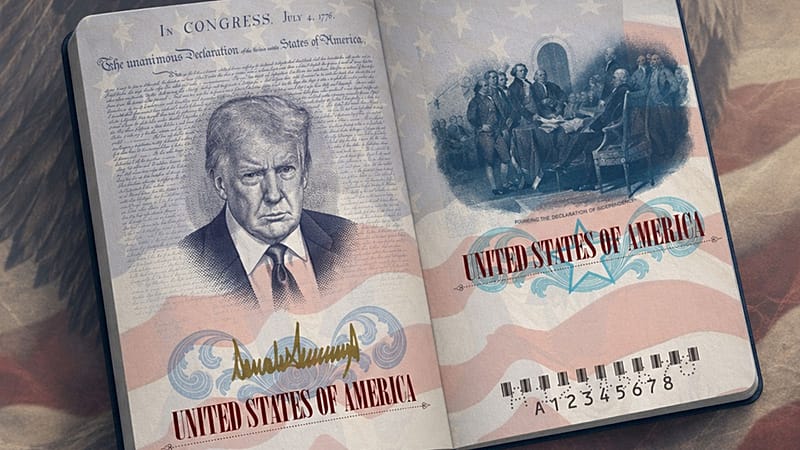
As the United States approaches its historic 250th anniversary in 2026, the spirit of celebration is being overshadowed by a heated controversy. The U.S. State Department is reportedly finalizing a “radical redesign” of the American passport, an essential travel document that has long served as a symbol of national identity rather than partisan affiliation. The new design, however, features a prominent portrait of President Donald Trump taken from his second inaugural ceremony.
For many Americans, this move represents a troubling departure from tradition. While the White House has framed the initiative as a “Patriot passport” to commemorate the America250 milestone, critics are calling it a blatant display of vanity. As the debate intensifies, the question remains: does this redesign celebrate the nation, or is it merely an attempt to cement a political legacy onto the fabric of American citizenship?

The “Patriot Passport” Initiative: A Radical Redesign
The announcement, which surfaced via reports from The Bulwark and subsequent confirmation by government sources, indicates that the new design will be rolled out as a limited edition for the 2026 celebration. According to officials, the redesigned document will feature a serious-looking portrait of President Trump.
Where Will the New Passports Be Issued?
To manage the rollout, the State Department has clarified the logistics of this controversial document:
- Availability: The Trump-branded passport will be the default option for individuals renewing their travel documents in person at the Washington Passport Agency.
- Online Alternatives: For those who wish to avoid the specific design, the State Department has indicated that online renewal options and other regional locations will continue to utilize the existing, traditional passport design.
- Timing: The official launch is slated for this summer, perfectly aligned with the U.S. 250-year anniversary festivities.
Why Critics Are Calling It “Vanity, Not Patriotism”
The term “patriotism” is often debated, but rarely has it been applied to the aesthetic of a government-issued ID. Critics argue that the inclusion of a sitting president’s face on a passport—a document meant to represent the collective people of the United States—violates the spirit of democratic neutrality.
A Pattern of Personal Branding
The outrage is compounded by the fact that this is not an isolated incident. Over the past year, observers have noted a trend of the current administration’s imagery appearing on various federal assets:
- Currency and Coins: There have been persistent efforts to feature the President’s likeness on coins and bank notes.
- National Parks: The President’s face or branding has previously appeared on National Park passes, drawing similar criticism from conservationists and historians.
- Federal Infrastructure: From battleships to public signage, the administration has shown a consistent desire to link the President’s personal brand to the symbols of the American state.
Representative Mike Levin (D-CA) encapsulated the frustration of many, stating, “No sitting president has ever done this. The man cannot find a surface he will not slap his name or face on. This is not patriotism. It is vanity.”
The Historical Context: Tradition vs. Transformation
Historically, U.S. passports have featured imagery related to American history, flora, fauna, and national landmarks. These designs are intended to evoke a sense of shared heritage. By introducing a political figure into the design, the state moves away from “shared identity” toward “political endorsement.”
Oscar Wilde once famously remarked on the nature of vanity, and his observations seem to resonate with the modern American public. Many social media users have taken to platforms like X (formerly Twitter) and Instagram to express their disdain, using hashtags that emphasize that a passport should belong to the people, not a single political leader.
The Public Sentiment
The public response has been largely skeptical. A recurring theme in online forums is a desire for the government to focus on “pressing priorities” rather than aesthetic changes. Citizens are asking whether the cost of redesigning and printing these specialized documents is the best use of taxpayer funds during an anniversary year that should focus on the collective accomplishments of the nation.
Examining the America250 Initiative
The America250 initiative is designed to be a grand celebration of the Declaration of Independence. Supporters of the administration argue that including the President is a way to acknowledge the leadership of the era. However, opponents argue that the 250th anniversary belongs to the American people, not to the person currently occupying the Oval Office.
The “Patriot passport” branding, while catchy, has backfired in terms of public perception. Instead of a unifying symbol, it has become a lightning rod for division. In an era where political polarization is already at an all-time high, the decision to personalize federal documents feels to many like a partisan provocation.
Conclusion: What Happens Next?
As the summer release date approaches, the controversy shows no signs of waning. Whether the State Department will pivot or proceed with the rollout remains to be seen. For now, travelers are left with a choice: accept the “Patriot passport” or navigate the bureaucratic hurdles to ensure they receive a more traditional version of the document.
Ultimately, this saga serves as a reminder of the delicate balance between leadership and ego. True patriotism, as many critics pointed out, is found in the service of the country’s ideals, not in the placement of one’s portrait on the documents that signify those very ideals. As the nation celebrates 250 years of history, it is worth asking what legacy we truly want to leave for the next century.