Virginia Redistricting Dissent Sparks High-Stakes Supreme Court Battle Ahead of 2026 Midterms

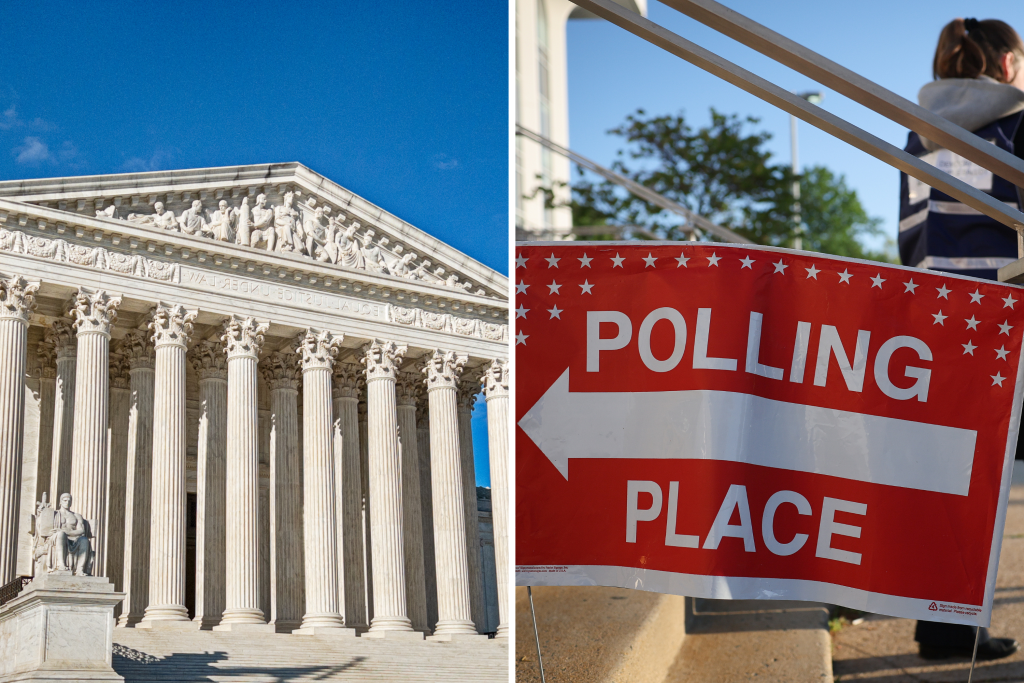
The landscape of the 2026 midterm elections has been fundamentally altered following a seismic ruling by the Virginia Supreme Court. In a narrow 4–3 decision, the state’s highest bench struck down a voter-approved redistricting referendum, effectively freezing the current congressional map and stalling Democratic efforts to secure a significant legislative advantage. As both parties prepare for a heated national battle for control of the U.S. House of Representatives, this ruling has become the epicenter of a legal and political firestorm.
For Democrats, the decision is more than a procedural setback; it is a direct challenge to the will of the electorate. Having viewed the redistricting measure as a vital tool to counter GOP-led maps in states like Florida and Texas, the party now finds itself scrambling to reclaim lost ground. However, a glimmer of hope remains in the form of a powerful dissenting opinion, which legal analysts believe could provide the necessary leverage for an appeal to the U.S. Supreme Court.
The Constitutional Conflict: Process Over Politics
At the heart of this legal dispute lies a technical but critical question regarding constitutional sequencing. Virginia law mandates that any legislative amendment to the state constitution must pass through the General Assembly twice, with a mandatory general election occurring between those two votes. The core of the controversy is how the legal system defines an “election.”
The Virginia Supreme Court majority, led by Justice D. Arthur Kelsey, ruled that the legislature failed to adhere to these strict constitutional requirements. The court argued that the legislative process for the referendum was initiated while early voting for a general election was already underway. Consequently, the court concluded that the amendment did not meet the “intervening election” criteria, rendering the April 21 referendum “null and void.”
Why the Majority Ruling Matters
The majority’s decision effectively resets the clock on Virginia’s congressional boundaries. By voiding the referendum, the court ensured that the current 6–5 Democratic edge remains in place. For Republican leaders, this is a major victory, reinforcing their momentum heading into the 2026 midterms and preventing a shift that could have handed Democrats up to four additional U.S. House seats.
The Dissenting Opinion: A Path to Federal Review?
While the majority ruling serves as the current law of the land, Chief Justice Cleo Powell’s blistering dissent has provided Democrats with a strategic roadmap for a federal appeal. Chief Justice Powell warned that the majority’s interpretation of the term “election” is overly broad and potentially dangerous for future electoral integrity.
Powell argued that by expanding the definition of an election to include the early voting period—rather than just the official Election Day—the court has created a standard that is both vague and disruptive to established administrative procedures. This argument is the cornerstone of the Democratic appeal strategy. By framing the dispute as a matter of federal constitutional rights and voter participation, Democrats hope to convince the U.S. Supreme Court to intervene.
Leveraging the Dissent for the U.S. Supreme Court
The road to the U.S. Supreme Court is notoriously difficult, particularly in cases involving state constitutional interpretation. Traditionally, federal justices are hesitant to override state courts on matters of local law. However, the Democratic legal team is expected to argue that this case transcends state lines. They will likely contend that the Virginia Supreme Court’s interpretation infringes upon the broader democratic process, potentially creating a conflict that warrants federal oversight.
The Political Stakes of the 2026 Midterms
The Virginia redistricting saga is not an isolated event; it is a microcosm of the broader “redistricting wars” defining American politics. As the 2026 midterms approach, both parties are hyper-focused on how these maps impact the path to a House majority.
The GOP Perspective: Momentum and Stability
Republicans have seized upon the ruling as proof that their legal strategies are working. President Donald Trump and other GOP leaders have characterized the court’s decision as a triumph for constitutional adherence. By preserving the status quo, the party feels it has successfully neutralized a significant threat to its congressional standing, allowing them to focus resources on other battleground states.
The Democratic Perspective: Overriding the Will of the People
Democrats argue that the ruling is a procedural technicality used to disenfranchise voters. With the referendum having passed by a three-percentage-point margin, party leaders feel that the court’s intervention is an affront to the democratic process. They maintain that the legislature acted in good faith and that the court’s rigid interpretation of constitutional timing is an unnecessary barrier to fair representation.
What Lies Ahead for Virginia’s Congressional Map?
As the appeal process begins, the political atmosphere in Virginia remains tense. The uncertainty surrounding the congressional districts creates complications for candidates, campaign strategists, and, most importantly, voters who are left wondering which district they will fall into when they head to the polls in November.
Key Factors to Watch:
The Federal Appeal Timeline: Any potential review by the U.S. Supreme Court would need to be expedited to have any impact on the 2026 election cycle.
Public Sentiment: The backlash against the court’s decision could influence voter turnout, as Democrats look to channel frustration into electoral energy.
- Legislative Maneuvering: If the appeal fails, Virginia Democrats will likely look for alternative legislative routes to address the state’s map in future sessions, though time is rapidly running out before the midterms.
Conclusion: A Legal Battle with National Implications
The Virginia Supreme Court’s decision to strike down the redistricting referendum is a defining moment in the 2026 election cycle. It highlights the profound power of judicial interpretation in shaping the political makeup of the U.S. Congress. While the legal battle is technically rooted in state constitutional law, its implications are profoundly national.
Whether the U.S. Supreme Court chooses to hear the appeal remains to be seen. If they do, the court will be forced to grapple with the tension between state-level procedural sovereignty and the broader principles of voter participation. For now, the maps remain unchanged, and the battle for the House majority continues in the courtrooms and on the campaign trail.