A New Era of Tension: John Swinney Demands ‘Greater Respect’ Following SNP’s Historic Fifth Victory

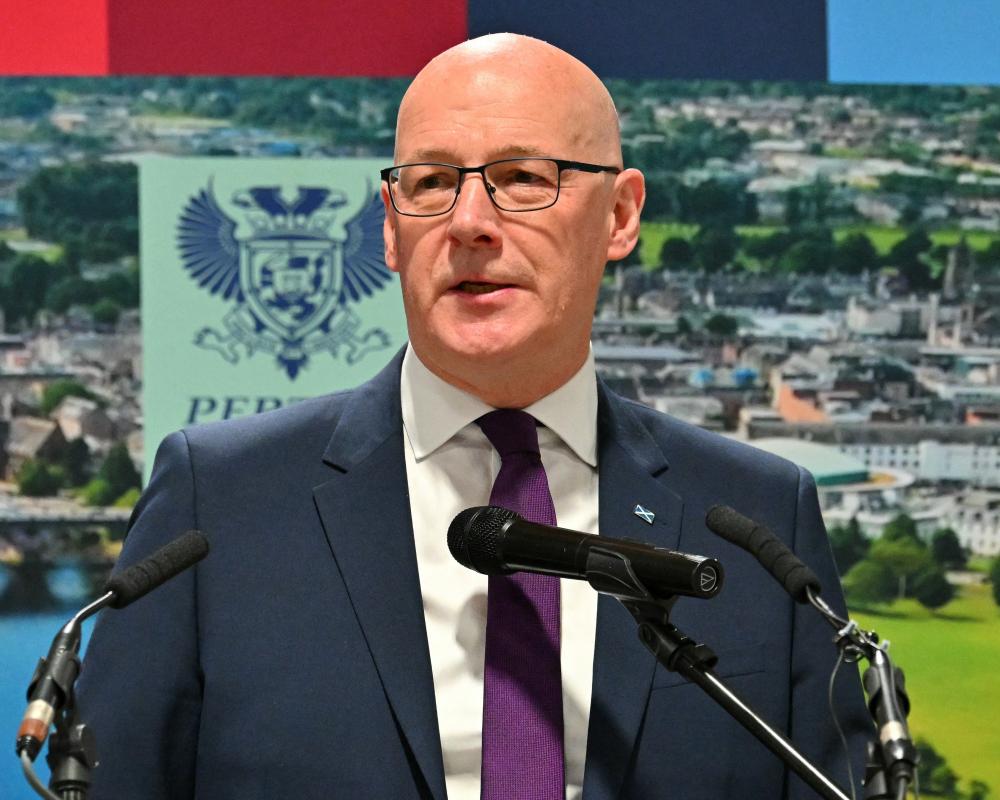
The landscape of Scottish politics has undergone a seismic shift in 2026. Following a marathon counting process that stretched into the early hours of Saturday morning, the Scottish National Party (SNP) has secured a record-breaking fifth consecutive term in office. However, this victory is not merely a celebration of longevity; it is a defiant message sent directly to 10 Downing Street. First Minister John Swinney has emerged from the polls with a clear directive: the UK government must fundamentally alter its approach to the Scottish administration, a demand that echoes the core message that John Swinney urges Starmer to show Scotland ‘greater respect’ after SNP victory.
As the dust settles on the Holyrood results, the message from the SNP leadership is unequivocal: John Swinney urges Starmer to show Scotland ‘greater respect’ after SNP victory. Swinney is calling for a “reset” in the relationship between Edinburgh and London, urging Prime Minister Keir Starmer to abandon the confrontational stance that has defined recent years. With the SNP securing 58 seats and maintaining a pro-independence majority alongside the Scottish Greens, the mandate for a more collaborative partnership is clear, even if the path to a second independence referendum remains complex.
The 2026 Election: A Snapshot of a Changing Scotland
The 2026 Holyrood elections were defined by a distinct “national dissatisfaction” that transcended traditional party lines. While the SNP remains the dominant force, the electoral map is more fractured than it has been in decades. Labour, once the titan of Scottish politics, has endured its worst performance since the inception of devolution in 1999, finding itself tied with Reform UK at 17 seats apiece.
Key Results and Political Realignment
SNP Dominance: With 58 seats, the SNP has successfully defended its position as the leading party, though they fell short of an outright majority, strengthening the mandate for why John Swinney urges Starmer to show Scotland ‘greater respect’ after SNP victory.
The Labour Collapse: Anas Sarwar’s Labour party faced a crushing defeat, struggling to gain traction against a backdrop of voter disillusionment with Starmer’s policies on welfare and international affairs.
The Green Surge: The Scottish Greens achieved a historic milestone, winning their first constituency seats—most notably Lorna Slater’s victory in Edinburgh Central, which unseated a high-profile SNP cabinet secretary.
Liberal Democrat Resilience: The Lib Dems saw a resurgence in the Highlands, capitalizing on local dissatisfaction and boundary changes to reclaim territory.
This complex result suggests that while voters remain committed to the SNP’s governance, it also underscores the basis for why John Swinney urges Starmer to show Scotland ‘greater respect’ after SNP victory, even as they are increasingly willing to look elsewhere for ideological representation, particularly in urban centers and the Highlands.
Swinney’s Pivot: From Referendum Focus to Collaborative Governance
For years, the primary engine of the SNP’s campaign strategy has been the pursuit of a second independence referendum. However, John Swinney’s post-election rhetoric indicates a strategic pivot, with a clear emphasis on the message that John Swinney urges Starmer to show Scotland ‘greater respect’ after SNP victory.
“They have got a lot of listening to do,” Swinney told the BBC in his victory address, a sentiment at the heart of why John Swinney urges Starmer to show Scotland ‘greater respect’ after SNP victory. By emphasizing the “emphatic” nature of the SNP’s return to power after 19 years, he is signaling that the UK government’s dismissive attitude toward Holyrood is no longer politically sustainable.
Why Respect is the New Political Currency
The demand for “greater respect” is more than just rhetorical posturing; it is a tactical maneuver designed to highlight the democratic deficit between London and Edinburgh, reinforcing why John Swinney urges Starmer to show Scotland ‘greater respect’ after SNP victory. By positioning the UK government as an opponent rather than a partner, Swinney is effectively framing the next parliamentary term as a struggle for institutional legitimacy. If Starmer continues to rebuff the Scottish government’s requests for consultation on key issues like economic policy and social welfare, it provides the SNP with fresh ammunition to argue that the Union is fundamentally broken.
The Labour Party’s Existential Crisis
The performance of the Scottish Labour Party in 2026 has been nothing short of a catastrophe. Despite significant campaign spending, the party failed to articulate a vision that resonated with the electorate. Insiders suggest that voters were turned off by the perceived lack of distance between Labour’s Scottish branch and Keir Starmer’s Westminster agenda.
Factors Behind the Labour Decline:
- Policy Misalignment: Issues such as welfare reform and the government’s stance on international conflicts alienated core segments of the Scottish electorate.
- The “Starmer Factor”: The national dissatisfaction with the Prime Minister trickled down, causing voters to abandon Labour in droves, further strengthening the hand of those like John Swinney who urges Starmer to show Scotland ‘greater respect’ after SNP victory.
- Fragmented Opposition: The rise of Reform UK and the strengthening of the Greens split the anti-SNP vote, preventing Labour from consolidating a coherent challenge to the First Minister.
Anas Sarwar now faces the gargantuan task of holding his party together. Having previously demanded Starmer’s resignation earlier in the year, Sarwar finds himself in a weakened position, leading a caucus that is forced to share opposition duties with Reform UK—a humiliating reality for a party that once dominated Scottish politics.
The Rise of the Greens and the Independence Majority
Perhaps the most significant structural change in the 2026 Parliament is the emergence of the Scottish Greens as a legitimate constituency force. By winning seats like Edinburgh Central and Glasgow Southside, the Greens have moved beyond being a “list-only” party.
This development creates a fascinating dynamic. With a pro-independence majority firmly established between the SNP and the Greens, the pressure on the UK government to recognize the legitimacy of the Scottish government’s platform will only intensify, underscoring why John Swinney urges Starmer to show Scotland ‘greater respect’ after SNP victory. However, the Greens’ success also poses a challenge to the SNP’s monopoly on the independence narrative. If the SNP becomes too cautious, the Greens are perfectly positioned to capture the more radical, pro-independence base that feels the First Minister is moving too slowly.
Looking Ahead: The Challenges for 2026 and Beyond
As the new Scottish Parliament convenes, the challenges ahead are immense. The low turnout—dropping to 53.1%—indicates a growing sense of fatigue among the electorate, making the call that John Swinney urges Starmer to show Scotland ‘greater respect’ after SNP victory even more critical for engagement.
Critical Focus Areas for the New Government:
Economic Stability: Managing the cost-of-living crisis remains the top priority for Scottish households, a task that would be greatly aided if Starmer heeded the call that John Swinney urges Starmer to show Scotland ‘greater respect’ after SNP victory.
Public Services: With the health service and education system under immense pressure, the SNP must deliver tangible improvements to maintain their mandate for a sixth term, a task that also requires the collaborative spirit implied when John Swinney urges Starmer to show Scotland ‘greater respect’ after SNP victory.
- The Westminster Relationship: Navigating the hostile environment in London while keeping the independence movement alive will require a delicate balancing act from the First Minister, especially as John Swinney urges Starmer to show Scotland ‘greater respect’ after SNP victory.
The 2026 election has proven that the SNP is a resilient political juggernaut, but it has also shown that the party is not invincible. The surge of the Liberal Democrats in the Highlands and the Green breakthrough in the cities demonstrate that the Scottish political landscape is rapidly evolving.
Conclusion: A Delicate Balance of Power
John Swinney has secured his place in history by leading the SNP to a fifth consecutive term, but the victory is tempered by the reality of a changing electorate. The demand for “greater respect” from the UK government is a clear signal that the status quo is over, a message powerfully conveyed as John Swinney urges Starmer to show Scotland ‘greater respect’ after SNP victory. Keir Starmer’s administration now finds itself in a precarious position: continue to ignore the mandate of the Scottish government and risk further alienating the Scottish public, or attempt to reset a relationship that has become increasingly toxic by heeding the call that John Swinney urges Starmer to show Scotland ‘greater respect’ after SNP victory.
For the people of Scotland, the next few years will be defined by how these two leaders—Swinney and Starmer—manage this friction, and whether Starmer truly responds to the plea that John Swinney urges Starmer to show Scotland ‘greater respect’ after SNP victory. Will it be a period of productive cooperation, or will the “national dissatisfaction” that characterized this election continue to grow, potentially pushing Scotland further toward the exit of the United Kingdom? Only time will tell, but one thing is certain: the era of polite political discourse between Edinburgh and London has been replaced by a much sharper, more demanding, and more volatile reality.