Toronto Hate Crime Probe: 18-Year-Old Charged After Targeted Attacks on Jewish Community

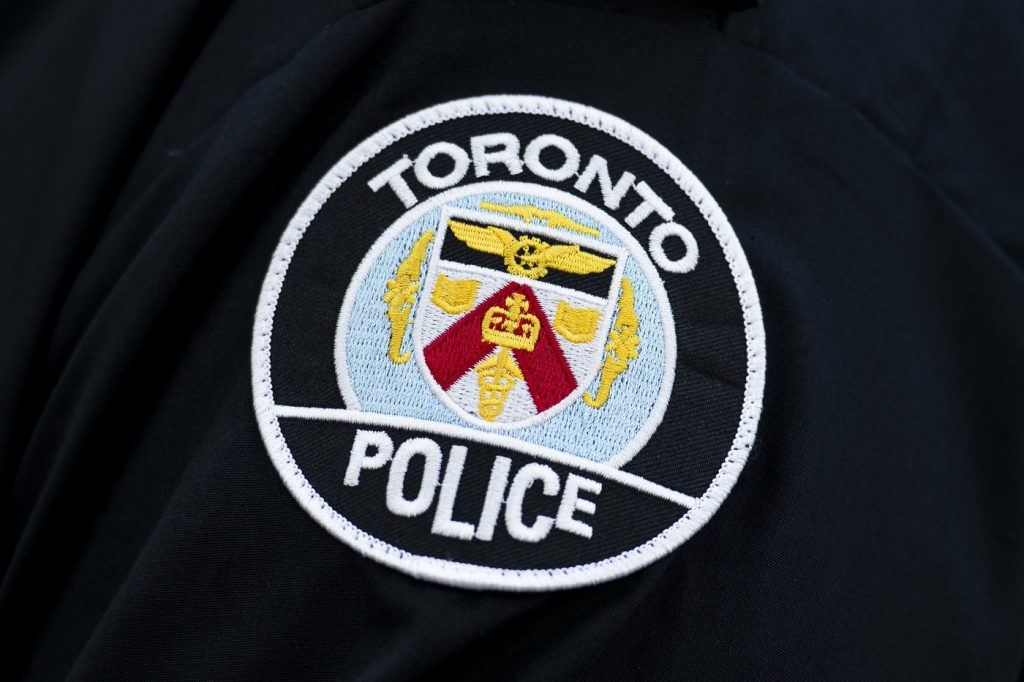
The safety and security of Toronto’s diverse communities have been shaken following a series of alarming events that have drawn widespread condemnation from the highest levels of government. In May 2026, Toronto Police announced that an 18-year-old resident of Vaughan, Ontario, has been arrested and charged in connection with two separate, suspected hate-motivated assaults targeting visibly identifiable members of the Jewish community.
These incidents, which involved the use of a gel blaster imitation firearm, have sparked a national conversation regarding the rise of antisemitism and the psychological impact of hate-based intimidation in public spaces.
The Sequence of Events: A Timeline of Fear
The investigation began following reports of drive-by style attacks that targeted individuals based on their perceived religious and cultural identity. The Toronto Police Service (TPS) acted swiftly to track the suspect, leading to an arrest and the execution of a search warrant at a private residence in Vaughan.
The First Incident: April 30, 2026
The initial assault occurred in the area of Bathurst Street and Lawrence Avenue, a neighborhood with a significant Jewish population. According to police reports, a suspect operating a vehicle allegedly fired a gel blaster—a device that shoots water-filled gel beads—at three individuals who were walking outside. The victims were targeted specifically because they were “visibly identifiable” as members of the Jewish community.
The Second Incident: May 7, 2026
Less than a week later, authorities responded to another report of violence. This time, three people standing outside the Congregation Chasidei Bobov synagogue were targeted. In this instance, the weapon was again a gel blaster imitation firearm. One individual was struck by the projectiles and sustained minor injuries. This escalation—moving from residential streets to the site of a place of worship—deepened the community’s sense of vulnerability.
Police Response and Legal Consequences
The Toronto Police Service, particularly the Hate Crime Unit, treated these incidents with the highest level of urgency. Following the second assault, officers conducted a comprehensive investigation that led to the identification of an 18-year-old suspect.
Charges Filed
The suspect, identified as Ruslan Novruzov of Vaughan, was taken into custody on May 8, 2026. He is currently facing a series of serious criminal charges, including:
Four counts of assault with a weapon.
Two counts of possession of a weapon for a dangerous purpose.
During the execution of a search warrant at the suspect’s home, investigators seized two imitation firearms. These items have been processed as key evidence in the ongoing legal proceedings.
The “Real Impact” of Imitation Weapons
Acting Deputy Police Chief Joe Matthews addressed the media during a press conference on Friday, emphasizing that the nature of the weapon does not diminish the gravity of the crime. “While the weapons used were imitation firearms, the impacts are very real,” Matthews stated. “These are criminal acts that we allege were meant to intimidate and cause fear.”
The legal system in Canada draws a sharp line between “toys” and “weapons” when those objects are used to threaten or harm others. By using these devices to target specific groups, the suspect crossed a threshold from nuisance behavior into criminal hate-motivated intimidation.
Condemnation from Government Leadership
The incidents in Toronto have been met with swift and unequivocal condemnation from Canadian political leaders. The rhetoric from the Prime Minister and the Premier highlights a collective commitment to protecting minority groups from the “scourge of antisemitism.”
Prime Minister Mark Carney’s Stance
Prime Minister Mark Carney described the shootings as an “abhorrent act of antisemitism.” In a public statement, he expressed relief that an arrest had been made and reaffirmed that the federal government is fully committed to combating hate in all its forms. The Prime Minister underscored that law enforcement agencies have the full backing of the federal government to ensure justice is served for the victims and the broader Jewish community.
Provincial Response
Ontario Premier Doug Ford echoed these sentiments, noting that he was “disgusted” by the attacks. Ford insisted that such behavior would not be tolerated in Ontario and called for the perpetrators to be punished to the “full extent of the law.” The provincial government has been under increasing pressure to address the rising trend of hate-motivated incidents, and this latest case has become a focal point for the need for stronger community protection measures.
Advocacy and Community Concerns
Organizations such as B’nai Brith Canada have been at the forefront of the advocacy effort, tracking the rise in antisemitic incidents across the Greater Toronto Area (GTA).
Escalation of Violence
Advocacy groups have warned that there is a visible escalation in the nature of these attacks. Previously, hate crimes might have been limited to graffiti or verbal harassment. The move toward physical assaults—even with non-lethal replica weapons—marks a dangerous shift. B’nai Brith has repeatedly called for the establishment of a federal task force to specifically combat antisemitism, arguing that local law enforcement, while capable, needs a more robust national strategy to tackle the root causes of this radicalization.
The Psychological Toll
Beyond the physical injuries, the psychological impact on the community is profound. When people are targeted simply for walking down the street or standing outside their synagogue, it erodes the fundamental feeling of safety that is essential for a multicultural society. The Jewish community in Toronto, particularly in the Bathurst and Lawrence corridor, has expressed concern that these incidents are designed to force them into hiding their identity in public.
Analyzing the Rise of Hate-Motivated Crime in 2026
The arrest of the suspect in Vaughan is just one piece of a larger, more complex puzzle regarding public safety in Ontario.
Why Gel Blasters?
Gel blasters are often marketed as toys, but they have increasingly become tools for “harassment-by-proxy.” Because they do not fire lethal bullets, perpetrators sometimes erroneously believe they can avoid the most severe criminal charges. However, as demonstrated by the Toronto Police Service, the law focuses on the intent and the impact of the act. Using any object to threaten or physically assault individuals based on their religion constitutes a hate crime, which carries significant sentencing implications.
The Role of Radicalization
Experts in the field of extremism have noted that the accessibility of imitation weapons, combined with the digital spread of antisemitic rhetoric, creates a “perfect storm” for young individuals to act out their prejudices. The investigation into whether the suspect was influenced by online extremist content is likely an ongoing component of the broader police probe.
Looking Forward: A Call for Unity
As the legal process unfolds, the City of Toronto faces a pivotal moment. The focus is now on ensuring that the justice system sends a clear message: hate-motivated violence against any community—Jewish, Muslim, Black, Indigenous, or otherwise—will be met with the full force of the law.
Community leaders are calling for:
- Increased police presence in areas with high concentrations of religious institutions.
- Educational initiatives aimed at younger demographics to counteract the spread of hate speech.
- Cross-community solidarity, encouraging residents of all faiths to stand together against those who seek to divide the city.
The arrest on May 8, 2026, is a necessary step, but it is not the end of the journey. For Toronto to remain the safe, inclusive city it prides itself on being, the community must remain vigilant and continue to report hate-motivated incidents to the authorities immediately.
Conclusion
The recent charges laid against an 18-year-old in connection with the gel blaster attacks on Jewish community members serve as a stark reminder of the work that remains to be done. While the suspect awaits his day in court, the conversation in Toronto has shifted toward long-term solutions. Through cooperation between the police, government, and civil society, the hope is to dismantle the structures of hate that allow such incidents to occur.
The commitment from leadership, combined with the active engagement of advocacy groups, suggests that Toronto is prepared to face these challenges head-on. As the city moves forward, the protection of its citizens’ right to practice their faith without fear remains the ultimate priority.