The Ultimatum: Trump Demands Immediate Iran Response on Uranium Enrichment

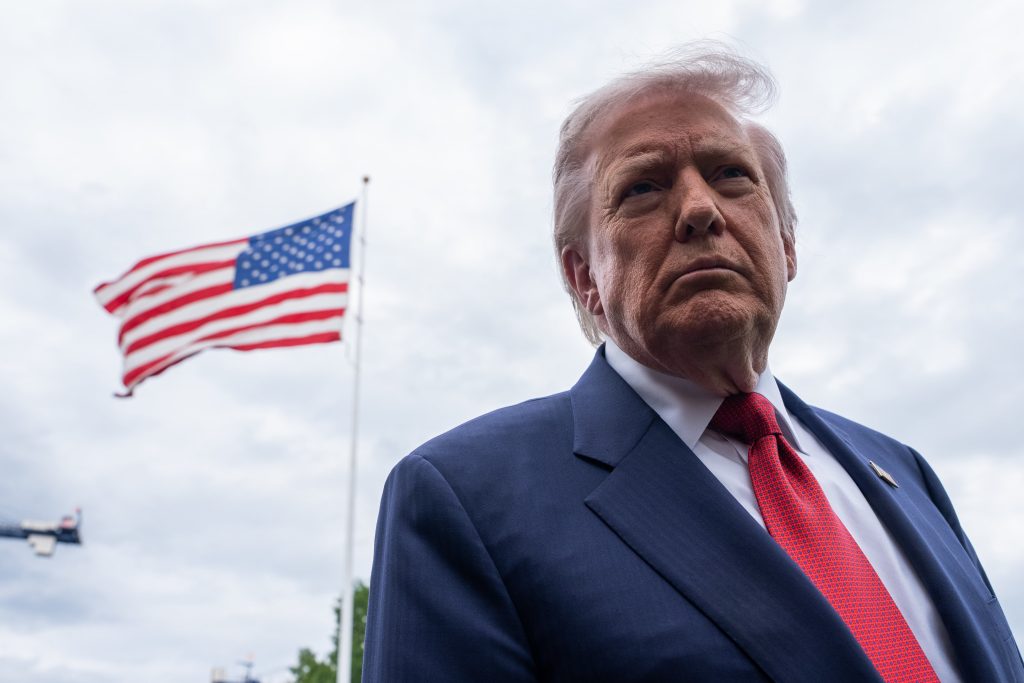
The geopolitical landscape of 2026 is currently defined by a high-stakes diplomatic standoff that could reshape the Middle East. U.S. President Donald Trump has issued a definitive ultimatum to Tehran, demanding a “clear and immediate” response to a comprehensive peace negotiation proposal. At the center of this firestorm is the non-negotiable issue of uranium enrichment, a process the United States insists must be halted to prevent nuclear proliferation.
As the clock ticks toward a self-imposed deadline, the world watches to see if diplomacy can prevail or if the U.S. will pivot back to a more aggressive posture. With Secretary of State Marco Rubio intensifying pressure from abroad and new sanctions hitting the Iranian industrial base, the window for a peaceful resolution is narrowing rapidly.
The Core of the Conflict: Uranium Enrichment and Nuclear Sovereignty
At the heart of the current U.S.-Iran negotiations lies a fundamental disagreement over nuclear capability. The U.S. proposal, which includes the permanent termination of uranium enrichment and the transfer of existing stockpiles overseas, is viewed by Washington as the only way to ensure regional stability.
However, Tehran maintains that its right to enrich uranium for peaceful purposes is a “red line.” Iranian negotiators, led by figures like Abbas Araghchi, have historically argued that their nuclear program is strictly civilian. This creates a “Number Zero” dilemma: the U.S. demands a total cessation, while Iran views the technology as an essential component of its national sovereignty.
Verification Challenges
The New York Times and other analysts have pointed out a significant hurdle: verification. Even if a deal is signed, the U.S. remains deeply skeptical of Iran’s ability to hide small, covert enrichment facilities. Consequently, the Trump administration is pushing for a rigorous, intrusive inspection regime—a demand that the Iranian leadership has long resisted, citing concerns over national security and espionage.
Trump’s “Project Freedom Plus” and the Threat of Escalation
President Trump has made it clear that patience is not an infinite resource. During a recent press briefing at the White House, he signaled that if the current round of negotiations fails to produce a satisfactory answer, the U.S. is prepared to reactivate and expand its military-backed initiatives.
What is “Project Freedom Plus”?
The original “Project Freedom” was a strategic operation designed to ensure the free flow of commerce through the Strait of Hormuz, a critical artery for global oil and gas shipments. The “Plus” iteration implies a significant upgrade. While the White House has kept the specific details of these additional measures classified, experts speculate they may involve:
Increased naval presence in the Persian Gulf.
Advanced technological surveillance to monitor Iranian drone and missile activity.
Enhanced coordination with regional allies to create a unified security front.
Trump’s rhetoric—warning that he would “blast them away” if diplomacy fails—underscores the volatility of the situation. It is a classic “maximum pressure” strategy, intended to force Iran to choose between economic survival and its nuclear ambitions.
The Economic Squeeze: New Sanctions and Global Pressure
The U.S. Treasury Department has not waited for the results of the nuclear talks to tighten the screws. By adding 10 new entities—including companies based in China and Hong Kong—to the sanctions list, the U.S. is effectively cutting off the financial lifelines that support Iran’s military-industrial complex.
Targeting the Supply Chain
These sanctions are not just symbolic. By targeting the firms that facilitate the production of Iranian drones and missiles, the U.S. is attempting to degrade Tehran’s defensive and offensive capabilities simultaneously.
This move also serves a secondary diplomatic purpose: it sends a stern message to Beijing. As President Trump prepares for a high-profile visit to China, the sanctions serve as a reminder that the U.S. expects its global partners to cease supporting Iranian military infrastructure. This “pressure through proxy” approach is a hallmark of the administration’s 2026 foreign policy doctrine.
The Iranian Perspective: Internal Obstacles and External Defiance
The internal state of the Iranian government remains a major point of concern for U.S. officials. Secretary of State Marco Rubio, currently conducting diplomatic rounds in Italy, noted that the “fractured and poorly functioning” nature of the Iranian political system is a primary obstacle to a coherent response.
Why is there a delay?
Diplomatic observers suggest that the delay in Iran’s response is not merely a tactical maneuver, but a reflection of deep internal divisions. Various factions within Tehran are reportedly arguing over the feasibility of the U.S. proposal, particularly regarding:
- The 20-year moratorium: Iran has historically pushed back against long-term restrictions on its enrichment capacity.
- Stockpile disposal: Moving nuclear materials overseas is seen by hardliners as an unacceptable concession.
- Sanctions relief: Iran demands a clear, front-loaded schedule for the lifting of economic sanctions in exchange for any nuclear concessions.
The Path Forward: Can Diplomacy Prevail?
As we look toward the remainder of 2026, the question remains: is there a middle ground? The U.S. has shown a willingness to engage, but only on its own terms. Iran, conversely, is struggling to maintain its revolutionary identity while facing crippling economic reality.
If the “answer” expected by the President tonight is a rejection or a stalling tactic, the likelihood of a “Project Freedom Plus” deployment increases exponentially. However, if Tehran can offer a credible framework that includes verifiable limits on enrichment, the administration may find a narrow path to a new, more durable, and more comprehensive agreement.
Key Takeaways for the Future
The Nuclear Standoff: Uranium enrichment remains the primary hurdle for any potential deal.
The Military Option: “Project Freedom Plus” is waiting in the wings, ready to be deployed if diplomacy fails.
Global Reach: U.S. sanctions are increasingly targeting third-party nations, including China, to isolate Iran.
- The Deadline: The administration is operating on an hourly, not daily, timeline for a response.
The world remains in a state of suspense. Whether this results in a historic de-escalation or a new period of intense regional conflict depends entirely on the signal coming out of Tehran tonight.