Global Health Alert: MV Hondius Hantavirus Outbreak Spreads to 13 Countries by 2026 – A Comprehensive Guide

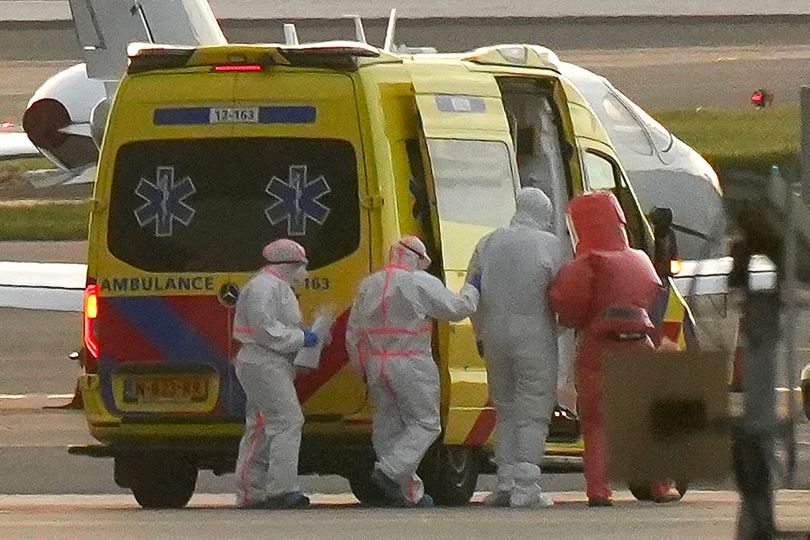
In a stark reminder of the interconnectedness of global health and international travel, an unprecedented hantavirus outbreak linked to the MV Hondius cruise ship has, as of May 2026, spread across 13 countries on four continents. This evolving situation has triggered a worldwide health alert, prompting swift action from international health organizations and national governments to contain the spread of this rare but potentially deadly zoonotic disease. With confirmed fatalities and a growing list of suspected cases, the MV Hondius incident serves as a critical case study in modern infectious disease surveillance and response.
This article delves into the origins of the outbreak, the global footprint of hantavirus, the coordinated efforts to manage the crisis, and the broader implications for public health and the cruise industry in 2026. We will explore how a journey intended for exploration transformed into a major international health challenge, demanding vigilance and solidarity from the global community.
The Genesis of a Global Concern: The MV Hondius Incident
The story of the hantavirus outbreak traces its roots back to the MV Hondius, an expedition cruise ship that departed from Argentina. What began as a routine voyage through the southern Atlantic quickly escalated into a complex public health emergency following the emergence of a highly unusual cluster of hantavirus infections.
The MV Hondius: A Journey Turned Health Crisis
The MV Hondius set sail from Argentina, charting a course that would take it through various iconic South Atlantic destinations. However, the initial seeds of the outbreak were sown even before the cruise began. According to the World Health Organization (WHO), which officially confirmed the outbreak on May 2, 2026, the primary cases involved a Dutch couple. This couple had extensively toured Argentina, Chile, and Uruguay – regions known for endemic hantavirus strains – prior to boarding the cruise ship. Their pre-cruise travel is believed to be the initial exposure point, highlighting the intricate web of travel-related disease transmission.
The situation gained urgency after several passengers disembarked at St Helena on April 24, 2026. Among them were 29 individuals, including seven British nationals. Tragically, one Dutch woman who left the ship at St Helena subsequently fell ill and passed away during her onward journey, becoming one of the initial fatalities connected to the outbreak. This incident underscored the silent and often delayed nature of hantavirus symptoms, making tracing and containment particularly challenging.
Understanding Hantavirus: The Silent Threat
Hantavirus is a zoonotic disease, meaning it is primarily transmitted to humans from animals, specifically rodents. Unlike more common viral infections, hantavirus is not typically spread easily from person to person, which is a crucial factor in managing public panic during an outbreak. The most common route of infection is through inhaling aerosolized particles contaminated with rodent urine, droppings, or saliva. This can occur when sweeping or disturbing areas where rodents have been active.
Once contracted, hantavirus can manifest in two main forms:
Hantavirus Pulmonary Syndrome (HPS): Predominantly found in the Americas, HPS initially presents with flu-like symptoms such as fever, muscle aches, and fatigue. This can rapidly progress to severe respiratory distress, with fluid filling the lungs, leading to significant breathing difficulties. HPS has a high fatality rate, often exceeding 30%.
Hemorrhagic Fever with Renal Syndrome (HFRS): More common in Europe and Asia, HFRS also starts with fever and body aches but can lead to kidney failure and internal bleeding.
The cases linked to the MV Hondius are primarily being investigated for HPS, given the geographical origin of the initial infections in South America. The incubation period for hantavirus can range from one to eight weeks, making it difficult to pinpoint the exact moment of exposure and complicating the tracking of potentially infected individuals. This prolonged incubation period is a significant hurdle for global health surveillance efforts.
The Unfolding Global Footprint: 13 Nations Affected
The MV Hondius’s extensive itinerary and the subsequent dispersal of its passengers across the globe created a complex challenge for international health authorities. The initial cases on board quickly morphed into a multi-country incident, necessitating an unprecedented level of international cooperation and disease tracking.
Mapping the Spread: 13 Nations Affected
As of May 2026, investigations into potential hantavirus infections are underway in 13 countries across four continents. This wide geographical spread highlights the risks inherent in modern international travel and the speed with which infectious diseases can traverse borders. Health agencies are meticulously tracking down and monitoring former passengers and crew members to curb further transmission.
The full list of countries currently impacted by the hantavirus outbreak linked to the MV Hondius includes:
Argentina
South Africa
Cape Verde
Singapore
Philippines
United States
Spain
United Kingdom
France
Netherlands
Denmark
Germany
Switzerland
This diverse list underscores the global reach of the crisis, stretching from the Americas to Europe, Africa, and Asia. Each country faces the unique challenge of identifying, testing, and managing cases while preventing local transmission.
Confirmed Cases and Tragic Losses
The human cost of this outbreak is profound, with three fatalities now officially connected to the MV Hondius hantavirus cluster. These tragic deaths serve as a somber reminder of the severity of the disease and the critical need for rapid diagnosis and treatment.
Beyond the fatalities, a number of confirmed and suspected cases continue to be monitored globally:
Two laboratory-confirmed cases of hantavirus have been identified among British nationals by the UK Health Security Agency (UKHSA). One of these patients is currently receiving hospital treatment in the Netherlands, while another is hospitalized in South Africa.
A third Briton is a suspected case, isolated on the remote South Atlantic island of Tristan da Cunha, where medical support is limited.
As of May 7, 2026, infected passengers are also reported to be hospitalized in Germany and Switzerland, indicating the continued emergence of cases as surveillance efforts intensify.
The WHO has reported a total of seven cases (two confirmed, five suspected) as of May 4, 2026, including the three deaths, one critically ill patient, and three individuals reporting mild symptoms.
Eight suspected cases in total have been identified, including five confirmed cases, as of May 7, 2026, further highlighting the ongoing nature of the investigation.
These figures are dynamic, with health authorities continuously updating their tallies as more disembarked travelers are traced and tested. The intensive care required for severe hantavirus cases places a significant strain on healthcare systems in the affected countries, emphasizing the importance of early detection and isolation protocols.
International Response and Containment Efforts
The global nature of the MV Hondius hantavirus outbreak has necessitated an extraordinary level of international cooperation and coordination. Public health bodies worldwide have mobilized resources, expertise, and communication channels to manage this complex global health alert.
WHO and Global Health Surveillance
The World Health Organization (WHO) has been at the forefront of the international response, officially confirming the outbreak on May 2, 2026. The WHO’s role has been crucial in:
Risk Assessment: Reassuring the public that the risk of human-to-human transmission remains low, thereby preventing widespread panic. Dr. Abdirahman Mahamud, the WHO’s alert and response director, stated, “We believe this will be a limited outbreak if the public health measures are implemented and solidarity is shown across all countries.”
Coordination: Facilitating information sharing and coordinating efforts among the numerous affected countries and their health agencies.
Guidance: Providing technical guidance on surveillance, laboratory testing, clinical management, and infection control.
Modern infectious disease surveillance tools like “HantaWatch” and “HantaTracker” have played a significant role in providing real-time data, live case maps, and breaking news updates to health professionals and the public in 2026. These platforms integrate WHO data and country-level risk scores, offering invaluable support to the global response.
National Health Agencies in Action
National health agencies, such as the UK Health Security Agency (UKHSA), have implemented robust strategies to track, test, and support their citizens. Their actions demonstrate the critical importance of national preparedness within a global framework:
UKHSA’s Response: The UKHSA has been particularly active in managing its 19 British national passengers and four British crew members from the MV Hondius. This includes:
Tracking and Tracing: Locating all British nationals who were on board, regardless of their current location.
Repatriation: Organizing dedicated repatriation flights for British passengers and crew, ensuring their safe return to the UK.
Isolation Protocols: Mandating a strict 45-day isolation period upon return to the UK for all British passengers and crew from the ship, coupled with close monitoring by UKHSA officials. Two Britons who returned via Johannesburg after disembarking in St Helena are already self-isolating.
Support Services: UK Government staff have been on the ground in locations like Tenerife (where the ship was expected to dock) to support disembarking British nationals, providing free passage back to the UK for those not displaying symptoms. Foreign Office officials and UKHSA teams continue to provide comprehensive support.
International Efforts: Governments in countries such as Singapore, South Africa, and the Netherlands are diligently working to locate former passengers who may have disembarked within their territories or are en route. This painstaking process of contact tracing and monitoring is essential to prevent secondary outbreaks.
Ship Monitoring: Even as the MV Hondius sailed towards destinations like Tenerife and later, Cape Verde (where it was located as of May 7, 2026), international health bodies maintained strict surveillance. Additional medical resources were brought on board to monitor the remaining passengers and crew for any emerging symptoms.
Challenges in Tracing and Monitoring
Despite these concerted efforts, managing the MV Hondius outbreak presents several inherent challenges:
Global Dispersal: The sheer number of countries involved and the widespread dispersal of passengers make comprehensive tracing incredibly difficult. Individuals may have taken multiple connecting flights or continued their travel, complicating efforts to establish a clear chain of contact.
Incubation Period: The extended incubation period of hantavirus means that individuals can be asymptomatic carriers for weeks, potentially exposing others before their own illness manifests. This necessitates long monitoring periods, such as the UK’s 45-day isolation.
Resource Strain: The demand for rapid testing, specialized medical care, and extensive public health follow-up places a significant strain on national health systems, particularly in countries with less robust infrastructure.
Implications and Lessons for 2026
The MV Hondius hantavirus outbreak, while contained in terms of human-to-human spread, offers critical insights and lessons for global pandemic preparedness and infectious disease management in 2026. It highlights the vulnerabilities inherent in international travel and the vital role of robust public health infrastructure.
The Cruise Industry and Infectious Disease Protocols
This incident will undoubtedly lead to a re-evaluation and strengthening of infectious disease protocols within the global cruise industry. Lessons learned will likely include:
Enhanced Pre-Boarding Screening: More rigorous health screening questions or even rapid testing for certain pathogens for passengers originating from or having recently visited high-risk areas.
Improved Onboard Surveillance: Better systems for early detection of unusual illness clusters among passengers and crew.
Rapid Response Mechanisms: Streamlined procedures for isolating suspected cases, communicating with international health bodies, and implementing quarantine measures if necessary.
Sanitation and Rodent Control: While hantavirus is not typically an onboard cruise ship issue, this event underscores the importance of stringent environmental health measures, including robust rodent control, especially in port cities.
Transparency and Communication: The need for cruise lines to maintain transparent communication with passengers, crew, and health authorities during an outbreak.
Public Awareness and Future Preparedness
While the WHO has consistently stated that the risk to the general public from human-to-human hantavirus transmission remains low, the MV Hondius incident serves as an important educational moment:
Understanding Zoonotic Diseases: It reinforces the importance of understanding zoonotic diseases and how they can jump from animals to humans, particularly in an era of increasing human-wildlife interaction and climate change.
Travel Health Awareness: Passengers embarking on international travel, especially to regions with known disease risks, should be aware of potential health threats and take appropriate precautions.
- Global Health Security: The outbreak underscores the need for continuous investment in global health security, including robust surveillance systems, rapid diagnostic capabilities, and well-trained public health workforces. It demonstrates that an outbreak originating in one corner of the world can quickly have global ramifications, requiring a unified and rapid response.
The MV Hondius hantavirus outbreak, though a contained incident, reinforces the fragility of our interconnected world. It has tested the resilience of global health systems and highlighted the enduring threat of emerging infectious diseases.
Conclusion
The MV Hondius hantavirus outbreak, unfolding in 2026, represents a significant chapter in the ongoing challenge of global health management. From its origins with a Dutch couple’s South American travels to its spread across 13 countries, this incident has underscored the critical importance of international cooperation, rapid surveillance, and robust public health responses. The tragic loss of three lives serves as a stark reminder of the potential severity of such diseases, even those with limited human-to-human transmission.
While the risk to the general public remains low, the coordinated efforts of organizations like the WHO and national agencies such as the UKHSA have been instrumental in tracing cases, implementing isolation protocols, and providing support to affected individuals. The lessons learned from the MV Hondius will undoubtedly shape future cruise ship health protocols and contribute to strengthening global preparedness against emerging infectious disease threats. As the world navigates an increasingly interconnected landscape, vigilance, scientific collaboration, and unwavering solidarity remain our strongest defenses against the silent, unseen spread of pathogens.