The Hantavirus Alert: Understanding the New Cases in Spain and Tristan da Cunha

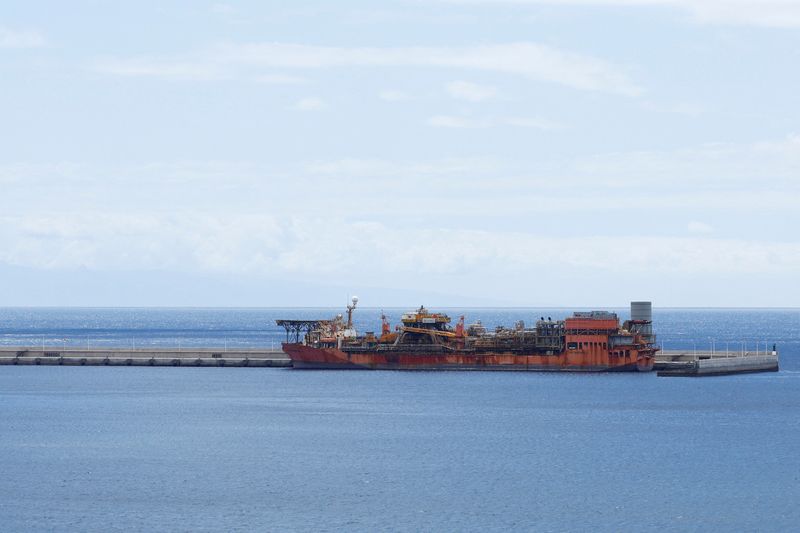
The global health community is currently under a state of heightened surveillance following the emergence of a rare hantavirus cluster originating from the luxury cruise ship, MV Hondius. As of May 2026, health authorities are racing to contain the spread after two new suspected cases were identified in geographically disparate locations: the province of Alicante, Spain, and the remote South Atlantic island of Tristan da Cunha.
While the World Health Organization (WHO) has maintained that the risk to the general public remains low, the unique nature of this outbreak—specifically its link to maritime travel—has prompted a robust international response. This article explores the current situation, the transmission dynamics of the Andes strain, and the logistical challenges of managing a viral event in one of the world’s most isolated regions.
The Origin: A Maritime Viral Cluster
The crisis began when the MV Hondius departed from Argentina in March 2026, carrying approximately 150 passengers and crew. During its voyage through the Antarctic and toward the Cape Verde Islands, a cluster of infections emerged. This incident marks a significant medical milestone, as it is the first recorded instance of a hantavirus outbreak occurring on a cruise ship.
The virus identified in these cases is the Andes strain, a rare variant of hantavirus known for its ability to transmit between humans through close, prolonged contact. Tragically, the outbreak has already claimed three lives—a Dutch couple and a German national—while several other passengers from various nations remain under medical care in the Netherlands, South Africa, and Switzerland.
New Suspected Cases: A Global Reach
The diagnostic net has widened as health agencies track passengers who disembarked at various stops along the ship’s route.
The Spanish Connection
In Spain, health authorities in the Alicante province have placed a 32-year-old woman under observation. Her suspected infection is linked to a flight she took shortly after the cruise ship incident. The patient was reportedly seated two rows behind a Dutch passenger who had been on the MV Hondius and later succumbed to the virus.
Spanish health officials, including Secretary of State for Health Javier Padilla, have emphasized that the contact was “very brief.” Despite this, rigorous contact tracing is underway to ensure that anyone who may have interacted with the patient is monitored for respiratory symptoms.
The Tristan da Cunha Outbreak
Perhaps the most concerning development is the suspected case on Tristan da Cunha. As the world’s most remote inhabited island, located over 1,500 miles from the nearest neighbor, the island has limited healthcare infrastructure to manage an infectious disease outbreak.
The suspected case involves an individual who had contact with cruise passengers during the ship’s stopover in mid-April, when travelers disembarked for nature tours and local visits. The UK Health Security Agency is currently assisting local officials, and the patient’s household has been placed under mandatory isolation. Given the island’s population of only 200 people, the government is prioritizing the containment of any potential local transmission.
Understanding Hantavirus Transmission
Hantaviruses are typically transmitted to humans through contact with the excreta of infected rodents. However, the Andes strain is an outlier in the hantavirus family because it can facilitate human-to-human transmission.
Mode of Spread: Primarily through respiratory droplets during close, prolonged contact with an symptomatic individual.
Symptomatic Profile: Early signs often mirror flu-like illnesses, including high fever, muscle aches, and gastrointestinal distress, which can rapidly progress to severe respiratory issues.
Risk Assessment: The CDC has classified this event as a “Level 3” emergency response, the lowest tier of activation. This suggests that while the situation is serious, the virus is not highly contagious in a casual setting.
The Global Response Strategy
The international health response is characterized by a “containment-first” approach. As the MV Hondius makes its way to the Canary Islands, specific protocols are being finalized to screen all remaining passengers and crew.
Surveillance and Containment
- Screening: Upon arrival in Tenerife, all individuals on board will undergo comprehensive medical screening.
- Contact Tracing: Multiple countries, including Singapore and several U.S. states, are monitoring travelers who disembarked earlier in the voyage.
- Isolation Guidelines: The WHO and local health ministries have issued clear guidelines for self-isolation for anyone displaying symptoms, regardless of how mild.
The cruise operator, Oceanwide, has reported that no individuals currently on the ship are exhibiting symptoms, offering a glimmer of hope that the active chain of transmission on the vessel may have been broken.
Challenges of Remote Containment
The situation on Tristan da Cunha highlights the extreme logistical challenges of managing a health crisis in isolated territories. With a six-day boat ride required to reach the nearest medical hub, the local government relies heavily on international support and tele-medicine.
The UK government’s involvement is critical here, as they provide the logistical backbone for managing the island’s health security. This event serves as a stark reminder of how interconnected our world has become; even the most remote corners of the planet are not immune to the rapid movement of global travel.
Public Health Outlook for 2026
While public anxiety is understandable given the fatalities, experts urge calm. The hantavirus does not spread with the efficiency of airborne viruses like influenza or COVID-19. The current cluster is largely contained within the cohort of people who were exposed to the cruise ship environment.
The key to preventing further escalation lies in the diligence of contact tracing teams and the transparency of health reporting. As we move through May 2026, the focus remains on:
Providing supportive care for those currently infected.
Preventing the introduction of the virus into vulnerable, isolated communities.
Refining cruise ship safety protocols to account for the unique risks of zoonotic disease outbreaks.
Conclusion
The suspected hantavirus cases in Spain and Tristan da Cunha serve as a sobering reminder of the complexities inherent in global health security. While the risk of a widespread pandemic is considered extremely low, the tragic loss of life associated with the MV Hondius incident underscores the importance of rapid response, international cooperation, and robust surveillance.
As the ship prepares to dock in the Canary Islands, the world watches with the hope that the final chapter of this outbreak will be one of successful containment and recovery. For now, the best defense remains adherence to health guidelines, vigilance regarding symptoms, and continued support for the public health agencies working tirelessly to keep us safe.