Canary Islands Crisis: Protests Erupt as ‘Rat-Virus’ Cruise Ship MV Hondius Nears Tenerife

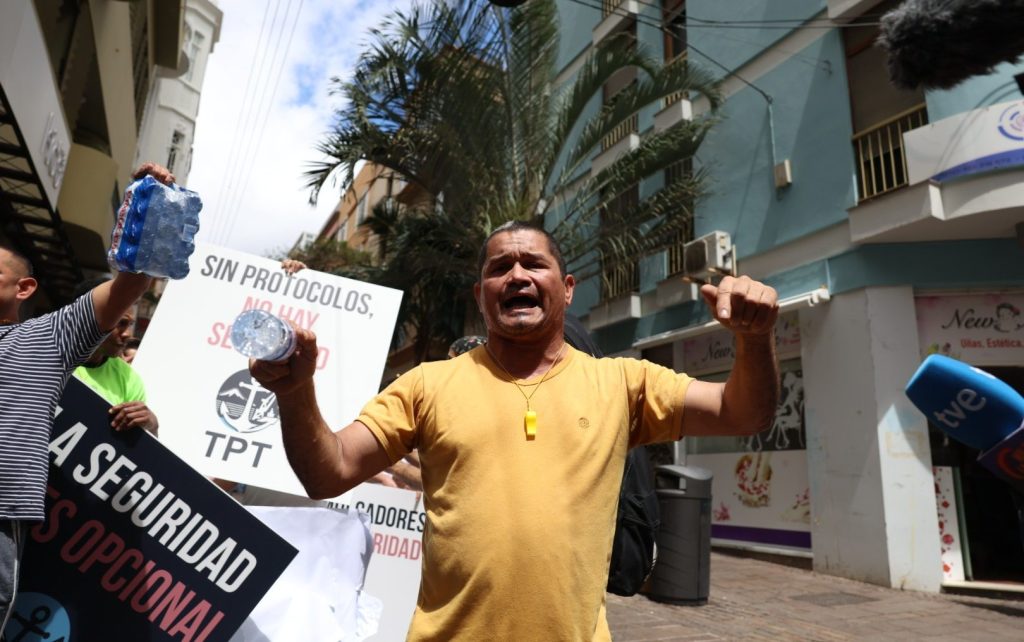
The year 2026 has seen its share of maritime challenges, but none have captured the world’s attention quite like the unfolding drama of the MV Hondius. What was supposed to be a luxury expedition has transformed into a floating quarantine zone, sparking a fierce geopolitical and social standoff in the Canary Islands. As the ship, plagued by a deadly outbreak of hantavirus (often referred to as the “rat virus”), approaches the coast of Tenerife, local residents and port workers have taken to the streets in a desperate bid to protect their shores.
The situation is a complex tapestry of humanitarian necessity, public health fears, and industrial action. With three confirmed deaths and several passengers fighting for their lives in intensive care units across the globe, the stakes could not be higher.
The Outbreak: A Nightmare at Sea
The crisis began aboard the MV Hondius, a vessel known for its polar expeditions, when passengers started displaying symptoms of a severe respiratory and hemorrhagic nature. It was soon identified as hantavirus, a rare but lethal virus typically transmitted to humans through contact with infected rodents or their excrement.
As of late 2026, the toll is grim:
Three fatalities have been recorded.
One body remains on the ship due to strict biohazard protocols.
Multiple British and Dutch nationals are in critical condition, including one individual in intensive care in South Africa and another in Amsterdam.
A suspected case has even been reported as far away as the remote South Atlantic island of Tristan da Cunha.
The World Health Organization (WHO) has stepped in, requesting that Spain facilitate an emergency evacuation. While Spain agreed, the decision to use the Canary Islands as the primary extraction point has ignited a powder keg of local resentment.
Port Workers Threaten Sabotage
In the heart of Santa Cruz de Tenerife, the atmosphere is electric with tension. Members of the Tenerife Port Workers (TPT) union have launched a series of high-profile protests. Their target? The Spanish government’s plan to use the Port of Granadilla for the evacuation.
The TPT, representing nearly 200 workers, argues that Granadilla is fundamentally unequipped to handle a biological hazard of this magnitude. They cite a lack of specialized medical resources and insufficient safety guarantees for the staff who would be required to assist in the operation.
Elena Ruiz, the TPT spokesperson, has been vocal about the union’s stance. “We are prepared to block the port if we don’t get answers to our concerns,” she stated during a rally. The union is currently considering a full-scale blockade of the single access road that connects the port to Tenerife’s main coastal motorway.
The Granadilla Controversy: Why This Port?
The choice of Granadilla over the more established Santa Cruz port was intended to isolate the evacuation from major population centers. However, this strategy has backfired. Locals and workers feel that Granadilla is being used as a “sacrificial lamb.”
The logistics of the plan are fraught with difficulty:
- Anchorage, Not Docking: The MV Hondius will not actually dock. It will drop anchor offshore.
- Small Boat Transfer: Passengers will be ferried to land via smaller tenders.
- Direct Transport: From the shore, they are to be moved immediately to Tenerife South Airport.
Despite these precautions, the “jobs not disease” mantra has become a rallying cry for those who fear that any slip in protocol could lead to a localized outbreak of the rat-borne virus.
Understanding Hantavirus: The “Rat Virus” Explained
To understand the fear gripping the Canary Islands, one must understand the pathogen. Hantavirus Pulmonary Syndrome (HPS) is a severe, sometimes fatal, respiratory disease. In 2026, while medical technology has advanced, the treatment for hantavirus remains largely supportive, making prevention and containment the primary tools for survival.
How it Spreads
The virus is carried by rodents, particularly deer mice and rats. It is shed in their urine, droppings, and saliva. Humans typically become infected through aerosolization—breathing in tiny droplets of the virus that have been stirred into the air.
Symptoms and Severity
Early Symptoms: Fatigue, fever, and muscle aches (thighs, hips, back).
Late Symptoms: Shortness of breath and fluid filled lungs, which can lead to respiratory failure.
Mortality Rate: Historically, hantavirus has a mortality rate of approximately 38%, making it significantly more dangerous than the common flu.
The fact that the Andes strain of hantavirus—which has shown potential for human-to-human transmission in rare cases—is suspected in this outbreak has only added fuel to the fire of public anxiety.
Political Infighting: Madrid vs. The Canary Islands
The arrival of the MV Hondius has exposed deep rifts between the Spanish national government and the regional authorities of the Canary Islands. Manuel Domínguez, vice-president of the Canary Islands, expressed frustration that the ship was not handled in Praia, Cape Verde, where the first three evacuees were taken.
The regional government feels that the central government in Madrid has bypassed local safety protocols to satisfy international requests from the WHO. This sentiment is echoed by the protesters, who feel that the islands’ tourism-dependent economy is being put at unnecessary risk.
The Repatriation Plan: A Race Against Time
As the weekend approaches, the clock is ticking. Virginia Barcones, Spain’s secretary-general of civil protection and emergencies, has emphasized a “zero-contact” policy. “No one will be taken off the ship until the plane repatriating them is cleared for take-off on the runway,” she confirmed.
International Coordination
The UK, the United States, and the Netherlands have all chartered aircraft to be stationed at Tenerife South Airport. These planes are essentially “flying ICUs,” equipped with high-level isolation units to transport their respective citizens.
The British Response
The UK Health Security Agency (UKHSA) has taken a lead role in managing the 20+ British nationals on board.
Chartered Flights: British passengers showing no symptoms will be escorted by government staff to a dedicated flight.
45-Day Isolation: Upon arrival in the UK, all returnees—regardless of their current health status—will be required to undergo a mandatory 45-day isolation period.
Strict Monitoring: UKHSA specialists will monitor these individuals with regular testing to ensure no late-onset cases emerge.
The Role of Social Media and Civil Disobedience
In a modern twist, the protests are being organized with digital precision. Messages circulating on WhatsApp have called for local residents to use their private vehicles to create a massive traffic jam on the road leading to the Granadilla port. This “civilian blockade” aims to prevent the buses intended for passenger transport from reaching the docks.
The Coordinadora de Puertos de Canarias, the islands’ largest port union, has taken a more moderate stance than the TPT, suggesting they will support the evacuation if and only if full Personal Protective Equipment (PPE) is provided and safety guarantees are legally binding. However, the grassroots anger remains unappeased.
Economic and Tourism Implications for 2026
The Canary Islands rely heavily on their reputation as a safe, pristine holiday destination. The sight of protesters in masks and the news of a “virus ship” could have long-lasting effects on the 2026 winter tourist season.
Mónica García, Spain’s health minister, has attempted to calm the waters by stating that current reports suggest no one currently on the ship is displaying active symptoms. “If passengers show mild symptoms, they will still be cleared for repatriation flights,” she said, though this statement has ironically caused more fear among the locals who worry about “asymptomatic spreaders.”
Conclusion: A Precarious Balance
The saga of the MV Hondius is a stark reminder of how quickly the global travel industry can be upended by biological threats. As the ship looms on the horizon of Tenerife, the world watches a delicate balancing act: the humanitarian duty to save 143 trapped souls versus the sovereign right of a community to protect its own health.
Whether the evacuation proceeds smoothly or ends in a standoff at the gates of Granadilla port remains to be seen. What is certain is that the “rat virus” has left an indelible mark on the Canary Islands, highlighting the need for more robust international maritime health protocols in an increasingly interconnected world.
The coming days will test the resolve of the Spanish government, the patience of the international community, and the courage of the port workers standing their ground in the sun-drenched streets of Tenerife.