The April 2026 Jobs Report: Why the U.S. Labor Market is in a “Frozen” State of Flux

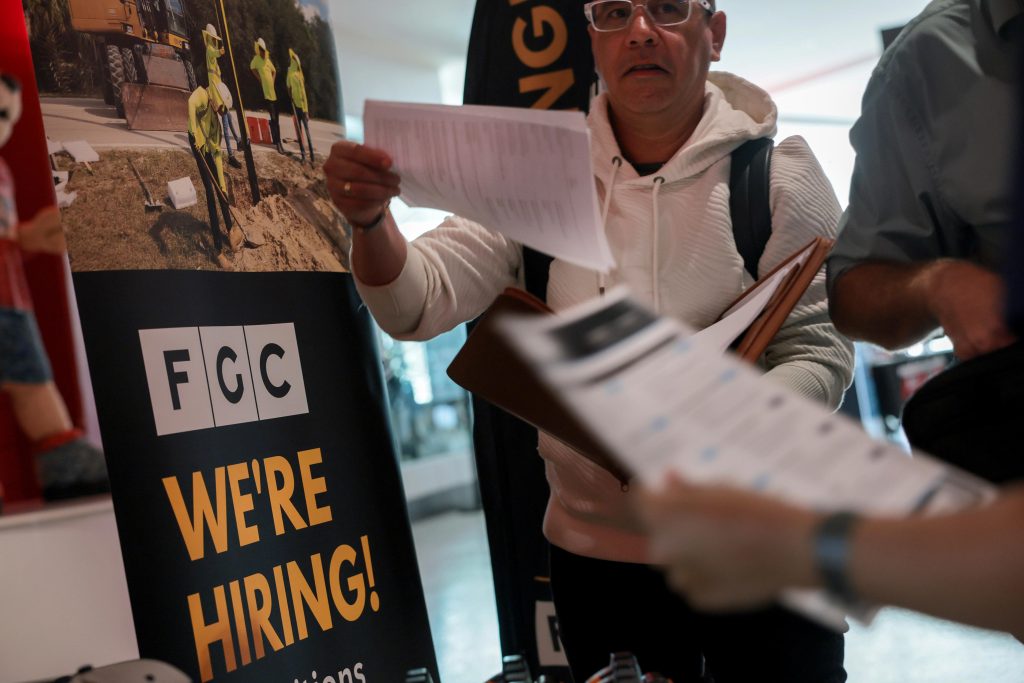
The latest labor data from the Bureau of Labor Statistics (BLS) has arrived, painting a picture of an economy walking a tightrope. In April 2026, U.S. employers added 115,000 jobs, a figure that arrived as a surprise to many analysts who braced for a more significant slowdown. While this growth signals resilience, it also highlights a complex, multi-layered economic environment defined by geopolitical tension, the rapid integration of artificial intelligence, and a unique phenomenon experts are calling the “frozen workforce.”
As we navigate the middle of 2026, the labor market is no longer the high-octane engine of the post-pandemic recovery. Instead, it has transitioned into a more cautious, low-hire, low-fire environment. Whether you are a job seeker, an investor, or a business leader, understanding these shifting dynamics is essential for navigating the remainder of the year.
Understanding the April 2026 Jobs Data
The addition of 115,000 jobs in April is a testament to the U.S. economy’s ability to absorb shock, even as external pressures mount. To put this into perspective, while this figure surpassed initial forecasts, it represents a cooling trend compared to the revised gains of 185,000 in March.
Key Metrics at a Glance:
Total Job Growth: 115,000 nonfarm payroll additions.
Unemployment Rate: Held steady at 4.3%.
Sector Highlights: Transportation and warehousing saw a notable increase of 30,000, largely driven by a surge in courier and messenger services. Meanwhile, retail trade added 22,000 positions.
Year-to-Date Performance: Despite February’s dip, the average monthly hiring rate in 2026 remains higher than the sluggish pace seen throughout 2025.
However, the headline number does not tell the full story. Officials note that the unemployment rate of 4.3% is being influenced by structural shifts, including an aging workforce leading to higher retirement rates and stricter immigration policies that have curtailed the pool of available labor.
The Rise of the “Frozen Workforce”
Perhaps the most intriguing development in the 2026 labor market is the emergence of the “frozen workforce.” Sam Taylor, a business expert at LLC.org, describes this as a state where both employers and employees have hit the pause button.
In a robust economy, workers typically switch jobs to secure higher pay, and companies aggressively hire to expand market share. Currently, we are seeing the opposite. Employees are choosing to stay in their current roles, even if the fit is suboptimal, due to economic uncertainty. Simultaneously, companies are hesitant to commit to new headcount, leading to fewer entry-level opportunities for younger workers. This “low-hire, low-fire” cycle creates a stagnation in wage growth and limits the natural upward mobility that keeps an economy vibrant.
External Pressures: AI, Oil, and Geopolitics
The labor market does not exist in a vacuum. Several macro-level factors are currently dictating the pace of hiring:
1. The Impact of the Iran War
Ongoing conflict in the Middle East has kept energy prices volatile. High oil prices act as a “tax” on both consumers and businesses. If gas prices continue to climb, consumer discretionary spending will likely decline, forcing companies to scale back their hiring expectations to protect profit margins.
2. The AI Revolution
The rapid adoption of artificial intelligence is fundamentally changing the way businesses view human capital. While AI is creating new roles, it is also causing companies to reconsider their reliance on traditional labor for administrative and routine tasks. This transition period is leading to a skills-gap mismatch, where current job seekers may not yet possess the technical expertise that modern firms are looking for.
3. Policy and Interest Rates
With interest rates currently hovering in the 3.5% to 3.75% range, the Federal Reserve is in a difficult position. The Fed’s mandate is to balance maximum employment with stable prices. With inflation remaining a persistent threat, the Fed may be forced to pivot away from its previous goal of cutting rates, potentially maintaining a “higher for longer” environment that keeps borrowing costs elevated for businesses.
What Lies Ahead for the Federal Reserve?
The Federal Reserve’s upcoming meetings are being watched with intense scrutiny. For months, the consensus was that the Fed would implement at least one quarter-point rate cut before the end of 2026. However, the combination of steady job growth and rising inflation complicates this narrative.
Market analysts are now beginning to price in the possibility of a rate hike later this year. This would be a significant departure from the dovish stance many investors hoped for. Furthermore, the potential confirmation of Kevin Warsh as the new Fed Chair adds another layer of uncertainty. While there is political pressure to lower rates, the Fed remains an independent body, and any change in policy will require a consensus among the rate-setting committee, regardless of the Chair’s personal leanings.
Strategic Insights for Job Seekers and Employers
If you are currently navigating the 2026 job market, here are a few takeaways based on current trends:
For Job Seekers: Given the “frozen” nature of the market, networking is more critical than ever. Since fewer companies are posting public job openings, tapping into the hidden job market through referrals and direct connections is your best strategy for finding a new role.
For Employers: With the labor supply tightened by retirement and policy shifts, retention is your most valuable tool. Instead of focusing solely on acquisition, invest in upskilling your current workforce to handle the transition to AI-integrated workflows.
- For Investors: Keep a close eye on retail and energy sectors. These two industries will be the most sensitive to the dual pressures of consumer spending shifts and fuel costs.
Conclusion: A Cautiously Optimistic Outlook
The 115,000 jobs added in April serve as a reminder that the U.S. economy possesses significant underlying strength. While we are clearly in a period of transition—marked by the “frozen workforce” and geopolitical headwinds—the lack of mass layoffs suggests that businesses are still confident enough to maintain their current levels of operation.
As we move toward the second half of 2026, the focus will shift to how the Federal Reserve manages the delicate balance between inflation and growth. For the average American, the labor market remains a place of cautious opportunity. It is a time for patience, skill development, and strategic decision-making. The economy is not hitting a wall, but it is certainly shifting gears, and those who adapt to this new, slower-paced reality will be best positioned for the future.