Labour’s Balancing Act: Lucy Powell Backs Starmer Amidst Growing Calls for Andy Burnham’s Return

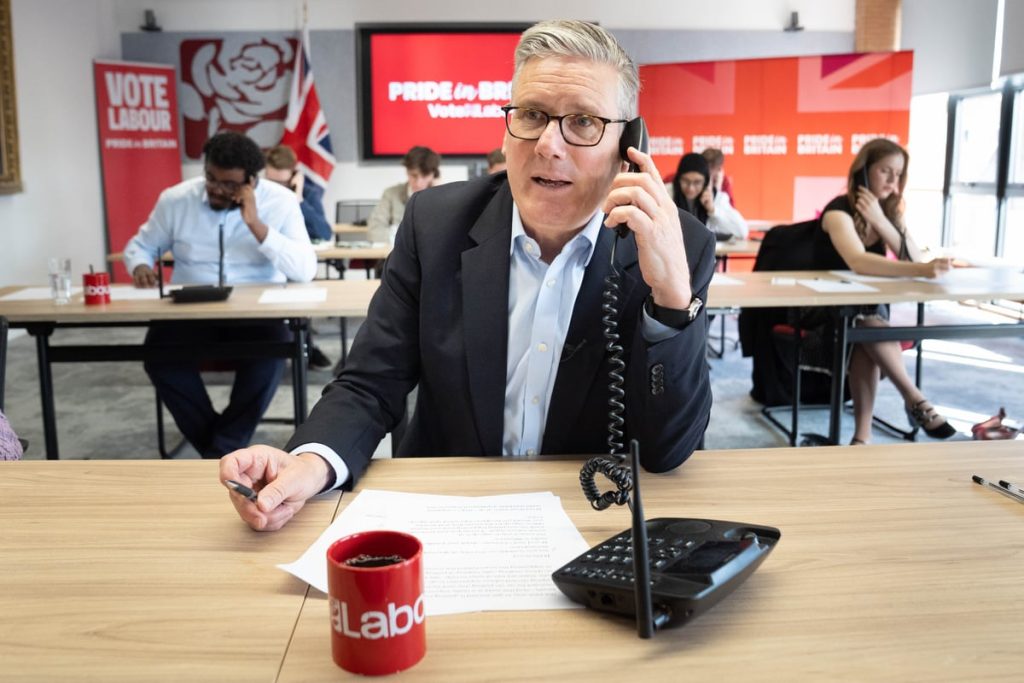
As the United Kingdom heads toward a pivotal set of local elections in 2026, the internal dynamics of the Labour Party have come under intense scrutiny. With Prime Minister Sir Keir Starmer facing significant pressure following a challenging period since the 2024 general election, the party finds itself at a crossroads.
At the heart of this political drama is Deputy Labour leader Lucy Powell. In a series of high-stakes interviews, Powell has attempted to walk a fine line: reaffirming her loyalty to the current Prime Minister while simultaneously championing the parliamentary return of Greater Manchester Mayor Andy Burnham. This strategic positioning has ignited widespread speculation about the future of Labour’s leadership and the potential for a seismic shift in the party’s direction.
The 2026 Political Landscape: A High-Stakes Test
The upcoming local elections are being viewed as the most significant barometer of public sentiment since Labour’s victory in 2024. With voters across England, Scotland, and Wales preparing to cast their ballots, the party is bracing for a potential loss of hundreds of council seats and a threat to its historical stronghold in the Senedd.
For Sir Keir Starmer, these elections represent a “make or break” moment. While his allies describe him as a “resolute” and “stoic” leader, murmurs of discontent within the parliamentary party are growing louder. Reports of a potential “bloodless coup”—reminiscent of the transition from Tony Blair to Gordon Brown—have dominated the headlines, signaling that the Prime Minister’s position is far from secure.
Lucy Powell: The Bridge Between Two Worlds
Lucy Powell, the MP for Manchester Central and Deputy Leader, has positioned herself as the ultimate “bridge” within the party. Her public statements are a calculated effort to maintain unity while acknowledging the undeniable popularity of regional heavyweights like Andy Burnham.
Standing by Starmer
Powell has been unequivocal in her support for the Prime Minister, framing him as the right leader for a tumultuous era. She emphasizes that Starmer’s focus remains on “making the right big calls” regarding international crises, European relations, and domestic stability. To Powell, the internal squabbling that some backbenchers are pushing for is a distraction that the country can ill afford.
However, her support is not without nuance. When questioned on whether Starmer should lead the party into the next general election, Powell sidestepped the binary choice, arguing that the party’s “real duty” is to focus on turning the country around rather than indulging in leadership speculation.
The Case for Andy Burnham
While she backs the current leadership, Powell has made no secret of her desire to see Andy Burnham back in Westminster. Her endorsement of the Greater Manchester Mayor is emphatic; she describes him as “incredibly popular, relatable, and effective.”
Burnham, who has been instrumental in the transformation of Greater Manchester, is frequently cited by political analysts as the “Plan B” for a party disillusioned with the status quo. Despite being blocked from standing in previous by-elections by the party’s National Executive Committee (NEC), his supporters argue that his return is essential for Labour’s long-term electoral prospects.
The Internal Friction: A Party Divided?
The tension between the Starmer camp and the pro-Burnham faction is palpable. While Education Secretary Bridget Phillipson and Work and Pensions Secretary Pat McFadden have urged the party to avoid “turning in on ourselves,” the reality is that the party remains deeply divided.
The Risk of a Leadership Challenge
Cabinet ministers have been quick to shut down the prospect of a leadership contest. Pat McFadden’s assertion that a contest would be a mistake reflects a fear that the public will perceive Labour as inward-looking and disconnected from their daily struggles. The message from the front bench is clear: the government must prioritize the country over internal power dynamics.
Yet, for those calling for change, the argument is that Starmer’s “unforced errors” have made his position untenable. The debate is no longer about whether a challenge could happen, but whether the party can survive one without suffering catastrophic electoral damage.
Why the Burnham Factor Matters
Andy Burnham’s potential return to the Commons is not merely a personnel issue; it represents a fundamental debate about the ideological direction of the Labour Party.
- Regionalism vs. Centralism: Burnham represents a focus on regional devolution and grassroots engagement—a stark contrast to the perceived centralizing tendencies of the current leadership.
- Relatability: Supporters argue that Burnham possesses a “common touch” that resonates with voters who have drifted away from Labour in recent years.
- The “Bridge” Strategy: As Lucy Powell has suggested, integrating figures like Burnham into the parliamentary party could be the key to uniting the different wings of the movement.
Analysis: The Path Ahead for Labour
The 2026 local elections will serve as the crucible for these competing visions. If Labour performs well, Starmer’s position will likely be solidified for the remainder of the parliamentary term. However, a poor performance could trigger the very “bloodless coup” that observers have been predicting.
For Lucy Powell, the challenge is to remain a credible Deputy Leader while keeping her options open. By backing Starmer today, she avoids the accusation of disloyalty. By backing Burnham, she ensures that she remains a key player should the leadership landscape change overnight.
The Public Perspective
Ultimately, the British electorate is less concerned with the internal machinations of the Labour Party and more concerned with the cost of living, public services, and the economy. The party that understands this—and communicates it effectively—will win. If Labour continues to dominate the news cycle with leadership speculation, it risks alienating the very voters it needs to retain.
Conclusion
The story of Lucy Powell, Keir Starmer, and Andy Burnham is a microcosm of the challenges facing the Labour Party in 2026. It is a tale of loyalty, ambition, and the relentless pressure of public opinion. As the country heads to the polls, all eyes will be on how the party handles the fallout from the elections. Whether the result leads to a renewed sense of unity or a period of intense instability remains to be seen, but one thing is certain: the debate over Labour’s future is only just beginning.