Health Canada’s New Voluntary Breast Implant Registry: Why Advocates Call it a “Failure”

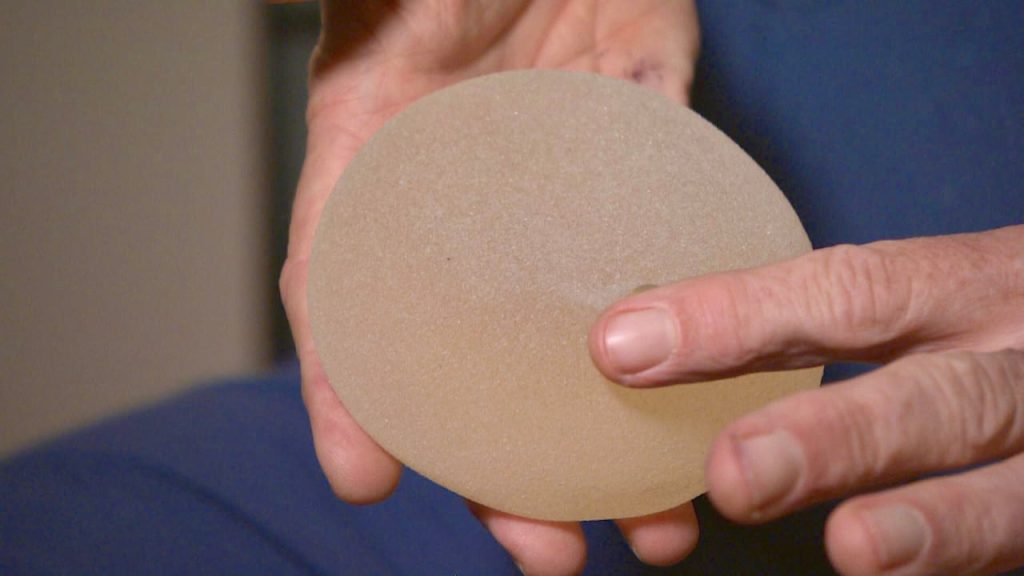
In May 2026, Health Canada officially launched a voluntary breast implant registry, a move the department claims will strengthen patient safety by providing a direct channel for recall alerts and safety notifications. However, the rollout has been met with immediate backlash from patient advocates, medical experts, and lawmakers who argue that the voluntary model is a hollow gesture that ignores years of rigorous parliamentary recommendations.
For thousands of Canadians living with breast implants—many of whom have suffered from complications like Breast Implant-Associated Anaplastic Large Cell Lymphoma (BIA-ALCL) or systemic autoimmune issues—this announcement feels less like a solution and more like a bureaucratic bypass.
The Gap Between Recommendation and Reality
The struggle for a comprehensive, national registry has been a multi-year battle. In 2023, the House of Commons Standing Committee on Health delivered a unanimous report calling for a robust, mandatory registry. The committee’s vision was clear: a system integrated with informed consent, where patient data is tracked to ensure rapid communication in the event of device failure.
Instead, the federal government has opted for an “opt-in” model. Critics argue this approach places the entire burden of tracking and safety monitoring on the patient, rather than the manufacturers or the healthcare system.
Why the “Voluntary” Model is Under Fire
Medical experts are particularly concerned about the efficacy of a voluntary system. Drawing on international data, researchers note that opt-in registries typically see extremely low participation rates—often between 10% and 15%.
Data Fragmentation: Without mandatory reporting, the registry will lack the comprehensive, real-world evidence required to identify emerging safety signals early.
The Burden of Responsibility: By making registration voluntary, Health Canada shifts the responsibility for safety monitoring onto women, many of whom may not be aware that such a registry even exists.
- Manufacturer Accountability: Advocates like Terri McGregor, who has been a vocal critic since her own diagnosis with BIA-ALCL, argue that this model benefits manufacturers by keeping them “off the hook” regarding long-term post-market surveillance.
A “Doomed to Fail” System: Expert Perspectives
The criticism is not limited to patient advocacy groups. Plastic surgeons and immunologists, including those who have provided expert testimony to the House of Commons, have labeled the registry “useless” in its current form.
The Problem with Low Enrollment
Dr. Jan Willem Cohen Tervaert, a professor at the University of Alberta, has long highlighted the link between breast implants and autoimmune symptoms. He argues that the primary goal of any registry should be the ability to track down all patients immediately if a catastrophic device failure occurs. With a voluntary registry, the vast majority of the population remains “invisible” to safety regulators.
The “Opt-Out” Alternative
Many experts, including B.C. plastic surgeon Dr. Peter Lennox, have advocated for an “opt-out” model. In this scenario, registration is the default standard of care, ensuring that device data is collected comprehensively. This model has been successfully implemented in other jurisdictions, providing a blueprint for data-driven safety that Canada has chosen to ignore.
Political Fallout and MP Disappointment
The frustration is palpable on Parliament Hill. Bloc Québécois MP Luc Thériault, who served as the vice-chair of the Standing Committee on Health, has been a tireless champion for a mandatory registry. Following the May 2026 announcement, Thériault expressed his “deep disappointment,” noting that the government’s current path is a direct contradiction of the unanimous recommendations tabled by the committee.
“How do we even know that plastic surgeons will inform women properly?” Thériault asked in a recent statement. The lack of a mandatory, uniform informed-consent form—a key component of the committee’s 2023 proposal—means that the process remains inconsistent across clinics and provinces.
The Human Cost: Beyond the Bureaucracy
For many women, the fight for a national registry is personal. The history of breast implant recalls—ranging from ruptures to the development of rare cancers—has left a legacy of distrust.
Informed Decision-Making
The core issue is the ability of patients to make truly informed decisions. Without a centralized, mandatory database, patients often lack access to:
- Device-specific risk profiles based on longitudinal data.
- Timely alerts that are not dependent on the patient’s own initiative to sign up for a government newsletter.
- Surgeon accountability, as there is no standardized requirement to document and report complications into a national system.
The government’s plan to provide a “printable poster” for doctors’ offices to encourage registration is viewed by many as a superficial measure that fails to address the structural deficiencies in device tracking.
Navigating the Future of Medical Device Safety
As of late 2026, the registry stands as a testament to the tension between administrative convenience and patient-centered safety. While Health Canada maintains that the registry is a step toward supporting informed decision-making, the consensus among those who have been harmed is that the government has opted for the “least effective” path.
What Comes Next?
The pressure on the federal government is unlikely to dissipate. With advocates like Julie Elliott of the Breast Implant Safety Alliance continuing to push for reform, the conversation will likely return to the House of Commons. The central question remains: Will the government eventually pivot toward a mandatory system, or will they continue to rely on a voluntary model that leaves thousands of women at risk?
For now, patients are being urged to take matters into their own hands, ensuring they research their specific implants and advocate for their own health, even as they wait for a more robust regulatory framework that prioritizes transparency over administrative simplicity.
Conclusion
The launch of a voluntary breast implant registry in Canada is a significant moment, but perhaps not for the reasons Health Canada intended. It has become a lightning rod for criticism, exposing a profound disconnect between the government’s approach to medical device safety and the urgent needs of the patients it serves.
Until a mandatory, data-driven system is established, the safety of Canadian patients remains fragmented. As the debate continues, the voices of those who have suffered from device-related complications serve as a stark reminder that when it comes to medical safety, “voluntary” is simply not enough.