Escalation in the Strait: US Retaliatory Strikes Follow Iranian Assault on Navy Destroyers

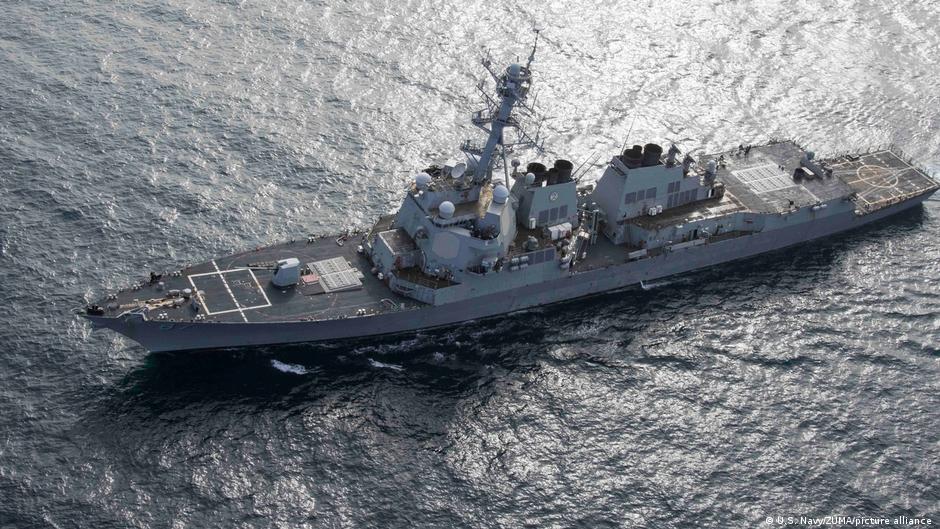
The geopolitical landscape of the Middle East reached a flashpoint on Thursday, May 7, 2026, as the fragile peace between Washington and Tehran suffered a violent rupture. In a series of coordinated events that have sent shockwaves through global energy markets and diplomatic circles, the United States military conducted retaliatory strikes against Iranian military facilities. This decisive action followed an “unprovoked” assault by Iranian forces on three American destroyers navigating the strategic Strait of Hormuz.
As the international community watches with bated breath, this incident marks a dangerous departure from recent attempts to broker a lasting ceasefire. With mediators working around the clock, the sudden exchange of fire has left the future of regional stability in total uncertainty.
The Trigger: An Unprovoked Assault in the Strait
According to official reports released by the United States Central Command (CENTCOM), the engagement began when three U.S. Navy destroyers were conducting a standard transit through the Strait of Hormuz. This narrow waterway, which serves as a critical artery for global oil shipments, has long been a theater of tension between Western naval powers and Iranian coastal forces.
CENTCOM stated that the warships were targeted by a sophisticated mix of Iranian military assets. The assault included:
Surface-to-surface missile barrages aimed at disrupting the destroyers’ path.
Kamikaze drone swarms designed to overwhelm shipboard defense systems.
- Fast-attack small boats attempting to swarm the vessels at close range.
The U.S. military emphasized that the destroyers successfully intercepted the incoming threats, suffering no direct hits or loss of life. However, the audacity of the attack—coming at a time when both nations were actively engaged in ceasefire negotiations—suggests a significant shift in Iranian tactical posture.
The U.S. Response: “Self-Defense” Strikes
In what the Pentagon describes as a clear act of “self-defense,” the United States launched retaliatory strikes on Thursday evening. These operations were specifically aimed at neutralizing the infrastructure used to facilitate the attack, including radar installations and launch sites located on Iranian territory, most notably near Qeshm Island.
Why the Strait of Hormuz Matters
The Strait of Hormuz is more than just a geographic bottleneck; it is the jugular vein of the global economy. Approximately 20% of the world’s total petroleum consumption passes through this channel daily. Any military conflict in this region carries an immediate, often volatile, impact on global energy prices.
By targeting Iranian port facilities and military installations, the U.S. sought to send a message of deterrence. The Pentagon stated that its objective was not to expand the scope of the war but to ensure the safety of its personnel and the freedom of navigation in international waters.
Iranian Perspective: A Violation of Sovereignty
Conversely, Tehran has painted a vastly different picture of the events. Iranian state media reported that their armed forces were responding to what they termed “the enemy’s” initial provocations. According to Iranian military officials, the U.S. had previously breached the tenuous ceasefire by allegedly targeting an Iranian oil tanker and another vessel earlier in the week.
Iran’s top joint military command claimed that their actions on Thursday were a necessary defense of their territorial waters near Qeshm Island. This narrative of a “violated ceasefire” is being leveraged by Tehran to justify the escalation, suggesting that the U.S. was the primary aggressor in the lead-up to the naval confrontation.
The Fragile Ceasefire: A Diplomatic Breakdown
The timing of this incident is particularly devastating for regional diplomacy. For weeks, international mediators have been working to stabilize the relationship between the two powers. The hope was to create a framework that would eventually lead to a permanent end to the ongoing hostilities.
Can the Ceasefire Be Saved?
The prospects for peace are currently dim. Analysts suggest that the May 8, 2026, incident creates a “trust deficit” that will be difficult to bridge. When military commands are actively trading fire, the space for diplomatic maneuvering shrinks significantly.
- Hardline Pressures: Both Washington and Tehran face domestic political pressure to appear strong.
- Miscalculation Risks: With naval assets in such close proximity, the likelihood of a “trigger-happy” mistake leading to a wider war remains high.
- Third-Party Involvement: Regional actors and global powers are now forced to navigate a situation where the rules of engagement are being rewritten in real-time.
Market Impact and Global Security
The immediate reaction to the news of the strikes was a sharp spike in crude oil prices. Markets are hyper-sensitive to any disruption in the Strait of Hormuz, and this exchange of fire acts as a “risk premium” that investors are currently baking into the price of energy.
Furthermore, the incident has prompted a surge in military readiness across the region. U.S. allies in the Gulf are reportedly on high alert, assessing the threat of further Iranian drone or missile activity. The incident underscores how quickly a localized naval skirmish can spiral into a broader international crisis.
Analysis: The New Reality of 2026
The events of May 2026 demonstrate that the “Iran War” has entered a new, more unpredictable phase. We are no longer seeing proxy conflicts or limited cyber-warfare; we are seeing direct naval engagements between the world’s most powerful military and a regional power capable of asymmetric warfare.
The U.S. strategy of “deterrence through retaliation” is being tested. While the Pentagon claims the strikes were surgical and limited, the risk of a “tit-for-tat” cycle is significant. If Iran chooses to escalate in response to the destruction of its coastal facilities, the U.S. will be forced to choose between a broader campaign or a dangerous withdrawal that could embolden its adversaries.
Conclusion: A Turning Point
As we move past the events of this past Thursday, the international community remains in a state of flux. The U.S. military’s assertion that it does “not seek war” is being tested by the reality on the ground. Whether this incident serves as a momentary flare-up or the beginning of a larger conflict depends on the willingness of both Washington and Tehran to pull back from the brink.
For now, the Strait of Hormuz remains a zone of extreme tension. As ships continue to transit the waterway under the watchful eyes of both navies, the world waits to see if diplomacy can reclaim the narrative from the missiles and drones that defined this week’s headlines.