Strait of Hormuz Standoff: Trump Pauses ‘Project Freedom’ Amid Hopes for Iran Peace Deal

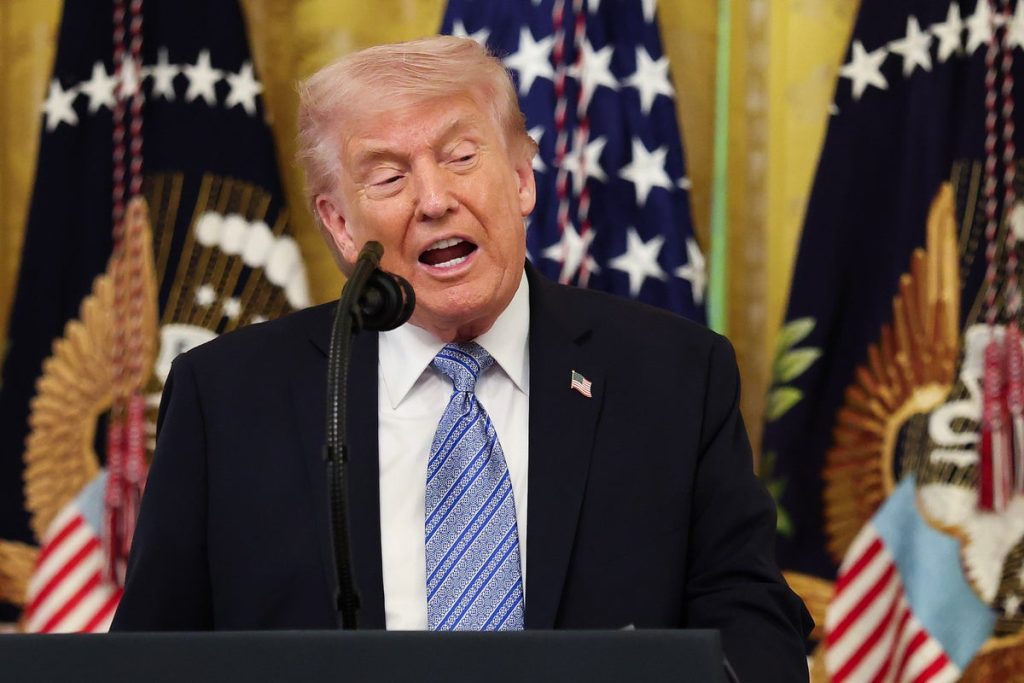
The geopolitical landscape of the Middle East underwent a sharp pivot this week as U.S. President Donald Trump announced a strategic pause in “Project Freedom,” the high-stakes naval initiative designed to escort commercial vessels through the volatile Strait of Hormuz. Coming on the 68th day of the ongoing US-Iran conflict, the decision signals a potential cooling of tensions, though experts warn that the situation remains as fragile as the global oil supply chain itself.
A Strategic Shift: Why the Pause?
President Trump’s announcement, delivered via social media, cited “great progress” toward a finalized agreement with Iranian representatives. The administration framed this pause not as a retreat, but as a calculated window of opportunity to finalize a diplomatic breakthrough that could bring an end to the hostilities.
The decision was reportedly influenced by diplomatic overtures from several regional partners, including Pakistan. By pausing the escort mission, the U.S. is attempting to de-escalate the immediate military pressure in the Strait, allowing for what the White House calls a “short period of time” to negotiate a comprehensive framework. However, the U.S. naval blockade of Iranian ports remains fully operational, serving as a constant reminder that the “maximum pressure” campaign is far from over.
The Volatile Reality of the Strait of Hormuz
Despite the optimism emanating from Washington, the maritime reality on the ground remains grim. The Strait of Hormuz, a critical artery for global energy, continues to be a theater of kinetic conflict.
Recent Maritime Incidents
Cargo Vessel Struck: The United Kingdom Maritime Trade Operations (UKMTO) recently confirmed that a cargo vessel was hit by an unidentified projectile within the Strait. The extent of the damage and the environmental impact remain under investigation.
Persistent Threats: The presence of sea mines and the erratic nature of the skirmishes have created a “high-risk” environment for international shipping companies.
- UN Resolution Efforts: Secretary of State Marco Rubio is spearheading a new UN Security Council resolution. The goal is to establish a safe shipping corridor and force transparency regarding the location of sea mines, with revised language aimed at securing support—or at least avoiding vetoes—from China and Russia.
Tehran’s Perspective: A Contradictory Path
While the White House sees a path to a deal, Iranian leadership remains defiant. President Masoud Pezeshkian has publicly criticized the U.S. approach, labeling the simultaneous pursuit of “maximum pressure” and demands for diplomatic submission as a logical contradiction.
Tehran’s parliamentary speaker, Mohammad Ghalibaf, underscored this sentiment, suggesting that Iran is prepared for a long-term struggle. Adding to the complexity, the Iranian Foreign Minister, Abbas Araghchi, has traveled to Beijing to seek clarification on China’s stance. The diplomatic dance in Beijing is critical; Iran is testing whether China will continue its diplomatic cover at the UN should the current negotiations fail to yield a permanent ceasefire.
The “Dolphin” Factor and Military Reality
In a surreal turn of events, the conflict has even touched upon bizarre military intelligence reports. During a recent Pentagon briefing, General Dan Caine, Chairman of the Joint Chiefs of Staff, was questioned about rumors regarding Iran’s deployment of “mine-carrying dolphins.”
General Caine’s dismissive, humorous response—comparing the idea to “sharks with laser beams”—did little to mask the underlying concern regarding Iran’s asymmetrical warfare capabilities. While the Pentagon officially denied the use of such animals, the discourse highlighted a fractured command structure within the Iranian military, leading to unpredictable tactical decisions that complicate traditional naval operations.
Regional Instability: The UAE Attacks
The urgency for a deal is compounded by the security situation in the Gulf. The United Arab Emirates (UAE) reported missile and drone attacks for the second consecutive day. While the Islamic Revolutionary Guard Corps (IRGC) has vehemently denied responsibility, the regional instability has forced Gulf states—including Bahrain, Saudi Arabia, Qatar, and Kuwait—to align more closely with the U.S. maritime security resolution.
The fear among these nations is that the “status quo” is no longer sustainable. As shipping insurance rates skyrocket and the threat of a wider regional conflagration grows, the pressure on both Washington and Tehran to reach a “Final Agreement” has reached a fever pitch.
Looking Ahead: Can Diplomacy Prevail?
The pause in Project Freedom is a gamble. By creating a vacuum in the Strait, the U.S. is essentially inviting Iran to prove its willingness to abide by a ceasefire. If Tehran uses this time to regroup or continue its aggressive posturing, the U.S. may quickly resume its escort missions, potentially escalating the conflict to a point of no return.
The next few days will be decisive. With the UN Security Council poised to vote on the maritime security resolution and diplomatic envoys moving between Beijing and Tehran, the world is watching. The question remains: is this the beginning of the end of the Iran-US war, or merely a tactical regrouping before the next phase of a deepening regional crisis?
Key Takeaways for Global Markets
- Energy Volatility: The Strait of Hormuz is the world’s most important oil chokepoint. Any instability here directly correlates to global fuel price fluctuations.
- Diplomatic Leverage: The involvement of China and Pakistan suggests that the global community is increasingly worried about the economic fallout of a prolonged blockade.
- Military Brinkmanship: The mix of high-tech naval assets and low-tech asymmetrical tactics (like mine-laying) creates an environment where a single miscalculation could trigger a major escalation.
As we move through 2026, the situation remains fluid. Whether “Project Freedom” resumes or is replaced by a lasting treaty depends entirely on whether the current “great progress” is a genuine shift in policy or a temporary tactical pause in a much larger, ongoing struggle for dominance in the Persian Gulf.