Diplomatic Pivot: Trump Pauses ‘Project Freedom’ Amid Hopes for Iran Peace Deal

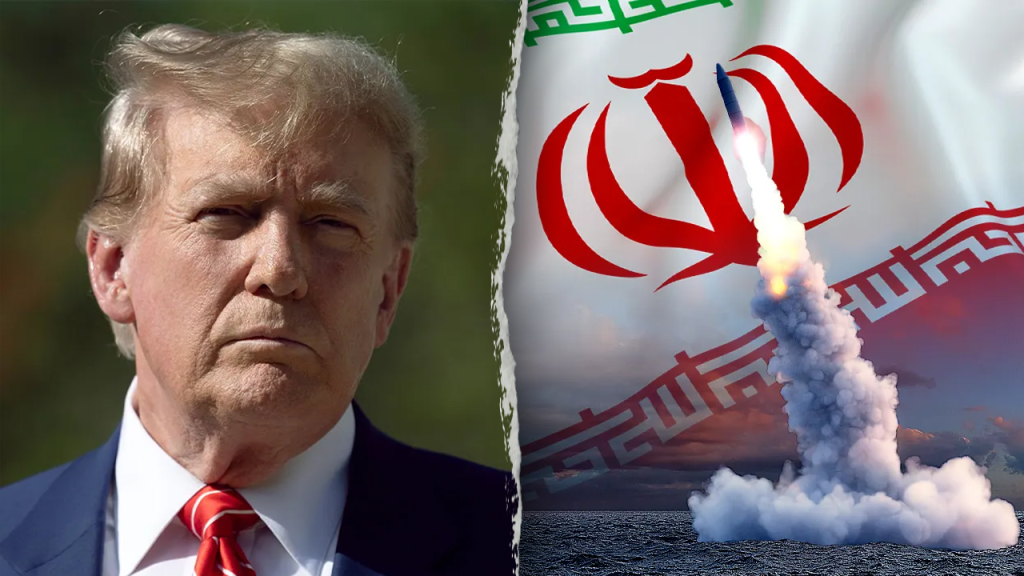
The geopolitical landscape of the Middle East shifted dramatically this week as President Donald Trump announced a temporary suspension of “Project Freedom,” the U.S. military initiative designed to escort commercial vessels through the volatile Strait of Hormuz. This strategic pause, confirmed via the President’s Truth Social platform, marks a significant departure from the aggressive posture that has defined U.S.-Iran relations throughout much of 2026.
As global markets react to the news, the administration is framing the decision as a direct result of “great progress” made toward a comprehensive diplomatic resolution. While the U.S. naval blockade remains firmly in place, the cessation of active escort operations signals that Washington may be prioritizing a breakthrough in negotiations over further military escalation.
The Strategic Significance of Project Freedom
“Project Freedom” was launched earlier in 2026 as a direct response to the increasing danger faced by international shipping lanes. With Iran frequently challenging maritime traffic, the Strait of Hormuz—a vital artery for global energy supplies—became the primary theater of a “shadow war” between Tehran and Western forces.
The operation involved U.S. naval assets actively guiding merchant vessels to prevent seizure or interference. Critics in Tehran had dubbed the initiative “Project Deadlock,” viewing it as an unnecessary provocation. However, the U.S. maintained that the mission was essential to protect the global economy and ensure the free flow of commerce.
Why the Pause Now?
President Trump cited several key factors that led to this sudden policy adjustment:
International Pressure: Diplomatic intermediaries, most notably Pakistan, have been working behind the scenes to facilitate a dialogue between Washington and Tehran.
Military Success: The White House claims that the sustained pressure campaign has successfully weakened Iran’s leverage, forcing their leadership to the bargaining table.
- The Path to Finality: The administration believes that a “complete and final agreement” is now within reach, provided that both sides continue to exercise restraint in the coming weeks.
A Fragile Diplomatic Opening
The decision to pause Project Freedom is a high-stakes gamble. By easing the intensity of the naval escort mission, the Trump administration is essentially offering an olive branch, testing whether Tehran’s recent conciliatory rhetoric is genuine or merely a tactical maneuver to buy time.
Secretary of State Marco Rubio and other national security officials have been tight-lipped regarding the specifics of the proposed agreement. However, observers suggest that the deal likely involves a trade-off: a reduction in regional military friction in exchange for long-term guarantees regarding Iran’s nuclear and ballistic missile programs.
The Role of Global Intermediaries
The involvement of Pakistan in these negotiations is particularly notable. As a neighbor with deep ties to both the U.S. and Iran, Islamabad has positioned itself as a crucial bridge. This “back-channel” diplomacy suggests that the current administration is willing to utilize non-traditional diplomatic routes to achieve its “America First” foreign policy goals in the Middle East.
Market Implications and Regional Stability
The news of the pause has provided a brief sigh of relief for global shipping companies and oil markets. The uncertainty surrounding the Strait of Hormuz has been a primary driver of volatility in energy prices throughout 2026. If the pause in Project Freedom leads to a de-escalation of the naval blockade, the world could see a stabilization in shipping insurance premiums and a cooling of regional tensions.
However, skepticism remains. Many analysts point out that the U.S. naval blockade remains in “full force and effect.” This indicates that the U.S. is not abandoning its hardline stance entirely; rather, it is recalibrating its pressure tactics. The administration is betting that the threat of a full blockade is enough to keep Iran at the negotiating table without the need for constant, active military escort missions.
Looking Ahead: The Path Toward a Final Agreement
As we look toward the remainder of 2026, the success of this diplomatic initiative will be measured by two factors: the behavior of the Iranian Revolutionary Guard Corps (IRGC) in the Persian Gulf and the speed at which a formal treaty can be drafted.
If Tehran continues to engage in “business as usual” despite this pause, the U.S. is expected to resume full-scale escort operations immediately. President Trump has made it clear that his patience is not infinite. The upcoming weeks will serve as a definitive litmus test for whether the “peace through strength” approach can successfully transition into a sustainable diplomatic framework.
The Human and Economic Cost
The human cost of this ongoing tension has been significant, with sailors and merchant marines caught in the crosshairs of geopolitical grandstanding. The pause in Project Freedom is, at its core, a move to reduce the risk of accidental collision or military miscalculation. For the global economy, the stakes could not be higher. A peaceful resolution in the Strait of Hormuz would be the most significant diplomatic achievement of the current administration’s second term.
Conclusion
The suspension of Project Freedom is a pivotal moment in the 2026 Iran-U.S. conflict. While the blockade remains, the shift toward diplomacy is a welcome development for those hoping to avoid a full-scale regional war. Whether this leads to a lasting peace or is simply a temporary lull remains to be seen. One thing is certain: the world is watching the Strait of Hormuz with bated breath, waiting to see if a final deal can truly be signed.