The Bitter Aftertaste: How Canada’s Booze Bans Decimated U.S. Spirit Exports in 2026

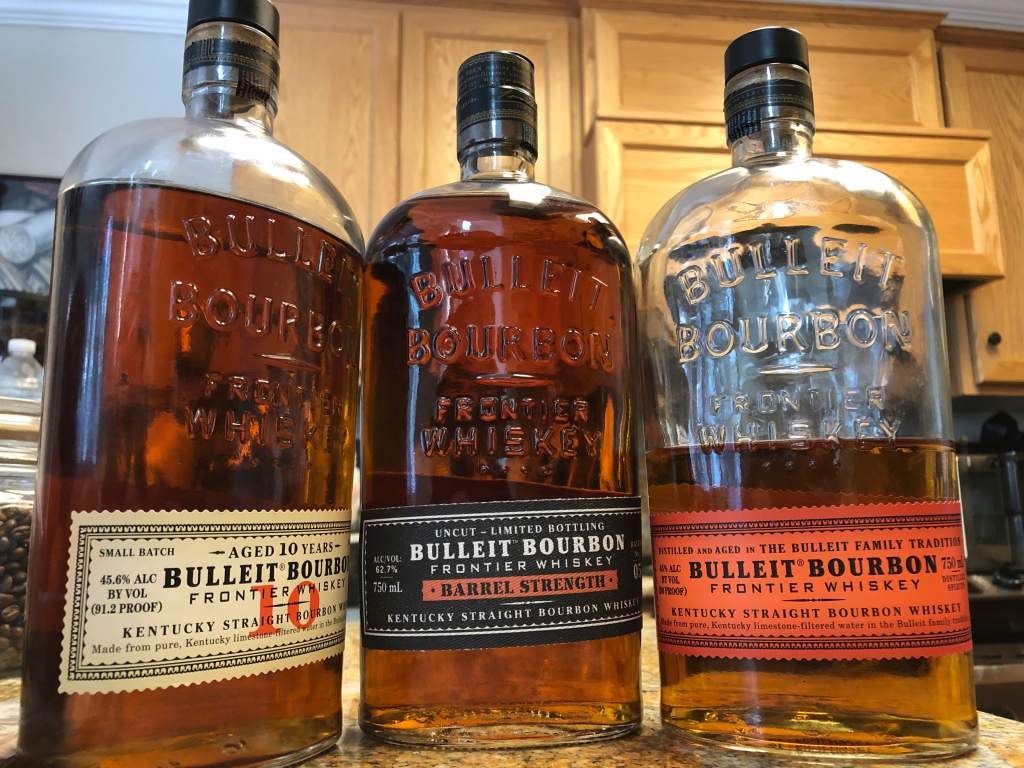
The landscape of North American trade has shifted dramatically. As we navigate the economic climate of 2026, the fallout from the ongoing trade friction between Washington and Ottawa has left a distinct mark on the spirits industry. New data reveals that provincial bans on American alcohol have triggered a staggering 63 per cent collapse in U.S. spirits exports to Canada, creating a ripple effect that touches everything from distillery jobs to the shelves of your local liquor store.
This isn’t just about market fluctuations; it is a direct consequence of retaliatory trade policies. As the Trump administration and Canadian provincial leaders remain locked in a standoff over tariffs and market access, the distilled spirits sector has emerged as a primary casualty in this high-stakes economic tug-of-war.
The 63 Per Cent Plunge: By the Numbers
The figures released by the Distilled Spirits Council of the United States (DISCUS) paint a sobering picture for American producers. Throughout 2025, U.S. alcohol exports to Canada fell by 63 per cent compared to the previous year. To put this in perspective, the value of these exports plummeted from US$238 million to just US$89 million.
For decades, Canada stood as a reliable, high-growth market for American distillers. The sudden reversal of this trend has forced industry leaders to scramble for new export destinations. The decline isn’t merely a statistical anomaly; it represents a fundamental restructuring of cross-border commerce driven by the “Buy Canadian” sentiment and retaliatory boycotts.
Why Provinces Pulled the Plug
The catalyst for this decline was the series of retaliatory actions taken by Canadian provinces following the imposition of tariffs by the Trump administration. In a move to pressure the U.S. government, several provinces—with the notable exceptions of Alberta and Saskatchewan—implemented strict bans on the sale of U.S.-made alcohol.
Political Leverage: Provincial leaders, most notably Ontario’s Premier Doug Ford, have used these bans as a bargaining chip, explicitly stating that American products will only return once tariffs are removed.
Retail Realignment: Liquor boards across the country pulled millions of dollars worth of inventory from shelves, causing an immediate supply chain shock.
Consumer Behavior: The prolonged absence of American spirits has reshaped Canadian palates, with many consumers pivoting toward domestic Canadian whiskies and European imports.
The Human Cost: Job Losses and Industry Uncertainty
Beyond the balance sheets, the trade war has taken a tangible toll on the American workforce. Chris Swonger, President and CEO of the Distilled Spirits Council, recently testified before the Section 301 Committee, highlighting that the industry has shed approximately 1,000 jobs—a 3.5 per cent reduction in the total workforce—between September 2024 and September 2025.
The “Uncertainty Tax”
Swonger argues that even the mere threat of tariffs creates an environment of instability. When businesses cannot predict whether their products will be legally sellable in a neighboring country, they halt expansion, freeze hiring, and reduce marketing spend. This “uncertainty tax” is arguably as damaging as the tariffs themselves.
- Supply Chain Disruption: Small-batch craft distilleries, which rely on consistent export growth, have been hit harder than industry giants.
- Investment Stagnation: Capital expenditure in new facilities has slowed as companies wait for a resolution to the CUSMA (Canada-United States-Mexico Agreement) negotiations.
The Diplomatic Standoff: CUSMA and Beyond
As we move further into 2026, the alcohol trade has become a central point of contention in the renewal of the CUSMA trade framework. Prime Minister Mark Carney has acknowledged that the U.S. side is applying immense pressure regarding what they term “trade irritants”—specifically the provincial bans on spirits.
The USTR’s Stance
The Office of the United States Trade Representative (USTR) has officially flagged these provincial bans as a “serious concern” in their latest report on foreign trade barriers. The administration has signaled that it will continue to press Ottawa to remove these barriers, viewing them as discriminatory practices that violate the spirit of free trade.
However, the political reality in Canada remains firm. Provincial leaders are under pressure to protect domestic jobs and appear strong against American trade aggression. Premier Doug Ford’s stance remains a rallying cry for those who believe that the only way to get Washington’s attention is to hit where it hurts—the bottom line of American exporters.
Analyzing the Long-Term Market Shift
The long-term consequences of this trade war are complex. While the immediate goal of the bans was to force a policy reversal, the unintended result has been a permanent shift in market share.
Brand Loyalty: Once a consumer switches from a Kentucky bourbon to a Canadian rye or a Scotch whisky, they are not guaranteed to switch back.
Economic Diversification: Canadian distillers have used this window of opportunity to aggressively market their own products, gaining a foothold in their home market that they may not relinquish easily, even if the bans are lifted.
Global Trade Reorientation: Many U.S. distillers are now looking beyond North America, focusing on Asian and European markets to mitigate their reliance on the Canadian consumer.
The Path to Resolution
What will it take to get American spirits back on Canadian shelves? The path forward likely involves a “grand bargain” within the CUSMA negotiations. For the U.S., the removal of these bans is a matter of principle and economic fairness. For Canada, it is a lever to ensure that the broader trade relationship remains balanced and that Canadian industries are protected from unilateral tariff hikes.
Industry experts suggest that a phased removal of tariffs by the U.S., matched by a reciprocal end to provincial bans, is the most viable path to normalization. However, with political posturing remaining high in both Washington and Ottawa, a quick fix seems unlikely.
Conclusion: A Bitter Lesson in Trade Policy
The 63 per cent decline in U.S. spirit exports to Canada serves as a stark reminder of how quickly global trade relationships can deteriorate. In the pursuit of economic leverage, both sides have inadvertently harmed their own industries and limited choices for their consumers.
As we look toward the remainder of 2026, the spirits industry will continue to be a barometer for the health of Canada-U.S. relations. Whether through diplomatic breakthroughs or further retaliatory measures, the fate of the American bottle in Canada remains tied to the broader, often volatile, world of international trade politics. For now, the shelves remain empty, and the industry waits for the thaw.