Tensions Peak: Trump Poised to Resume Iran War as Tehran Issues Chilling WW3 Warning

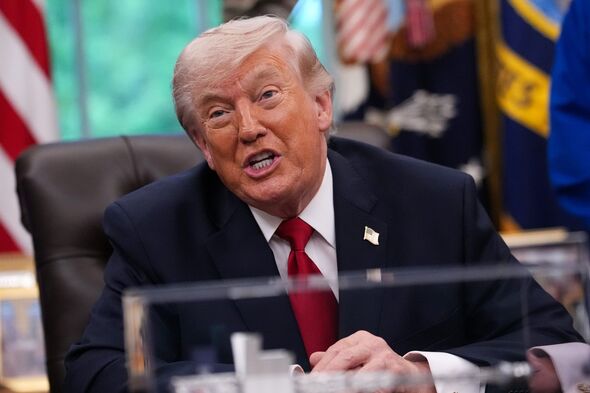
The geopolitical landscape of 2026 remains on a razor’s edge. As President Donald Trump signals that military action in Iran could resume “in days,” the international community watches with bated breath. Following a period of fragile diplomatic maneuvering and the implementation of “Project Freedom” in the Strait of Hormuz, the stalemate appears to be fracturing. With warnings of a potential World War III echoing from Tehran, the world stands at a critical juncture where diplomacy and total war collide.
The Fragile Ceasefire: Why the Conflict May Reignite
For weeks, the global economy has been held hostage by the volatility surrounding the Strait of Hormuz. While President Trump previously indicated that hostilities had “terminated” to meet congressional deadlines, reports from senior administration officials suggest that this peace is purely tactical. The underlying diplomatic stalemate remains unresolved, leading many in Washington and Tel Aviv to conclude that military operations are not just possible, but imminent.
The primary friction point involves the continued enrichment of uranium and the blockade of Iranian ports. President Trump has been explicit: if Iran does not abandon its nuclear ambitions and comply with international demands, the United States is prepared to utilize overwhelming firepower to neutralize threats.
“Locked and Loaded”: The Pentagon’s Stance
Defense Secretary Pete Hegseth recently solidified the administration’s position during a high-stakes Pentagon briefing. Emphasizing that the U.S. remains “locked and loaded,” Hegseth warned that any interference with American troops or commercial shipping would be met with a swift and decisive response.
The “Red, White, and Blue Dome”
To protect the vital maritime chokepoint of the Strait of Hormuz, the U.S. military has established what the Pentagon calls a “powerful red, white and blue dome.” This 24/7 surveillance and security umbrella is designed to monitor commercial traffic and ensure the flow of oil and goods. However, the exclusion of Iranian vessels from this protection has created a de facto naval blockade, further agitating the regime in Tehran.
Hegseth’s comments also signaled a shift in U.S. foreign policy, hinting that the U.S. is tired of bearing the burden of global maritime security alone. “The world needs this waterway far more than we do,” Hegseth stated, effectively putting NATO and other international allies on notice that the U.S. expects more than just rhetorical support.
Tehran’s Defiance and the Threat of WW3
Iran’s response to the renewed pressure has been nothing short of apocalyptic. Officials in Tehran have issued chilling warnings, suggesting that any further invasion or strike on their territory will “shatter all restraint.” The rhetoric coming out of the Islamic Republic has escalated from standard political posturing to warnings of a global conflict.
The “Blood of Invaders” Narrative
Iranian state media has been broadcasting a clear message: the “blood of invaders” will be the cost of any further U.S. military aggression. By threatening to escalate the conflict to a regional—or even global—level, Iran is attempting to deter the White House from ordering fresh strikes. However, this strategy carries significant risks. President Trump’s ultimatum, which suggested that a “whole civilization” could be at stake, indicates that the U.S. is no longer operating under the standard rules of engagement.
Analyzing the Diplomatic Stalemate
Despite the looming threat of war, back-channel communications have not entirely ceased. Reports confirm that peace proposals are still being exchanged, though President Trump has expressed profound skepticism regarding their viability.
- The Pakistan Connection: Recent reports suggest that direct U.S.-Iran talks might resume in Pakistan. This could be a final attempt to stave off further conflict.
- The Economic Pressure: The naval blockade of Iranian ports is designed to force the regime to the table by strangling their primary revenue streams.
- The Military Readiness: The U.S. Joint Chiefs of Staff have confirmed that the military is prepared to resume full-scale operations at a moment’s notice.
The Global Impact: Oil, Trade, and Stability
The uncertainty in the Middle East has sent shockwaves through global markets. From the “ghost town” atmosphere in Dubai to the panicked pleas of businesses reliant on tourism and trade, the economic fallout is becoming impossible to ignore. If the Strait of Hormuz remains contested, the global energy supply faces a catastrophic bottleneck.
The question remains: is this a final push for a diplomatic breakthrough, or the prelude to a broader regional war? History suggests that when rhetoric reaches this level of intensity, the threshold for conflict is significantly lowered.
Conclusion: A World on the Brink
As we move through 2026, the situation remains fluid. President Trump’s “Project Freedom” has succeeded in drawing a line in the sand, but it has also placed the United States in a position where backtracking could be perceived as a sign of weakness. Conversely, Iran’s refusal to yield to pressure suggests that they are prepared to face the consequences of a direct confrontation.
Whether the coming days bring a breakthrough in the negotiations in Pakistan or the opening of a new, more intense phase of the Iran war, one thing is certain: the world is watching. The decisions made in the Oval Office and the corridors of Tehran this week will likely define the trajectory of global politics for the remainder of the decade.