Red Dress Day 2026: Families Demand Urgent Action on Parliament Hill

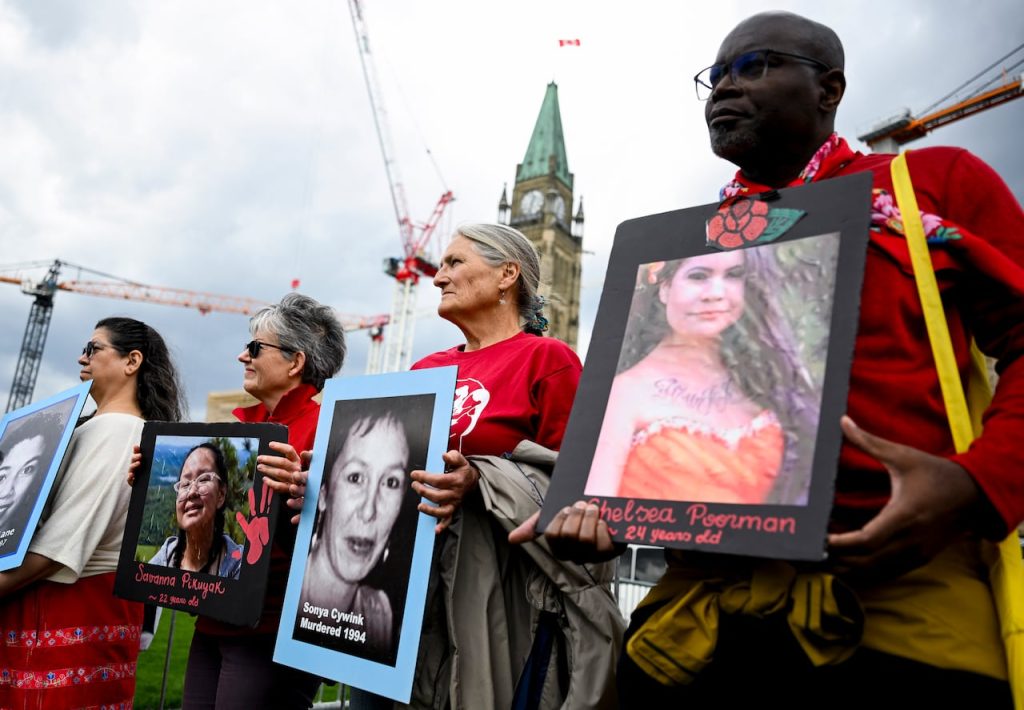
As the grey skies hung over Ottawa this May, the solemn sound of drums and the vibrant sight of red dresses once again filled Parliament Hill. Red Dress Day 2026 served as a poignant reminder that while the national conversation surrounding the crisis of Missing and Murdered Indigenous Women, Girls, and Two-Spirit people (MMIWG2S+) has matured, the systemic failures plaguing these communities remain largely unresolved.
For families and advocates, the day was not merely a commemoration of those lost; it was a firm, uncompromising demand for tangible change. Led by Bridget Tolley, the founder of Families of Sisters in Spirit, the vigil highlighted a growing frustration: the time for inquiries and recommendations has passed. The time for action is now.
The Call for Accountability: Beyond Words and Reports
It has been seven years since the final report of the National Inquiry into Missing and Murdered Indigenous Women and Girls was released, and a full decade since the inquiry began. Yet, for many, the progress feels stagnant. Bridget Tolley, a tireless advocate from Kitigan Zibi Anishinabeg, stood before the crowd with a message that resonated across the country: “No more studies, no more recommendations, no more inquiries.”
A Shift in Funding Perspectives
The vigil also served as a platform to challenge how the federal government allocates resources for MMIWG2S+ support. A recent open letter, signed by 400 people and addressed to Prime Minister Mark Carney and key cabinet ministers, argued that simply funneling more funding into large national organizations is not an effective solution.
Direct Support: Families often find themselves leading search efforts for missing loved ones without adequate support from local law enforcement or government agencies.
Accountability: Advocates argue that those doing the work on the ground—the families—must have direct input into how funding is distributed.
- Transparency: There is a deep-seated concern that current funding models bypass the very people they are intended to protect, failing to reach the communities where the crisis is most acute.
The Human Cost: A Generational Struggle
The crisis of MMIWG2S+ is not a statistical abstraction; it is a profound, generational wound. Statistics Canada reported in 2022 that more than 63% of Indigenous women have experienced physical or sexual violence in their lifetime. For the families gathered on Parliament Hill, these numbers represent mothers, daughters, sisters, and friends.
Bridget Tolley’s own journey into advocacy began with the tragic death of her mother, Gladys, who was killed by a police cruiser in 2001. Her story is a painful reminder that the fight for justice is often a fight against the very institutions meant to provide security.
Voices from the New Generation
The vigil was not only attended by those who have been fighting for decades but also by a new generation of Indigenous youth who are inheriting this struggle. Mercedes Côté, a 20-year-old representative for the Algonquin Anishinabeg Nation Tribal Council, spoke with clarity about the emotional toll of the crisis.
“Growing up in a First Nations community, we’re like a big family,” Côté shared. Her desire is simple yet urgent: she wants to see a quick response from authorities when an Indigenous woman goes missing. She noted that too often, these cases are “swept under the rug,” leaving families to feel like an afterthought in the eyes of the justice system.
Red Dress Day: Why It Matters in 2026
Red Dress Day, inspired by the art installation of Métis artist Jaime Black, has evolved into a national day of awareness. However, as 2026 marks two decades since the first major reports on the issue were released by groups like Amnesty International, the focus has shifted from “awareness” to “accountability.”
The Need for Systemic Reform
The frustration expressed on Parliament Hill is indicative of a broader systemic problem. When police responses are delayed or inadequate, and when government funding is siloed away from frontline families, the cycle of violence continues. To address the MMIWG2S+ crisis, observers suggest that the government must move toward:
- Immediate Operational Changes: Improving communication between law enforcement and families when a person is reported missing.
- Sustained, Direct Funding: Ensuring that grassroots organizations and families have the resources to conduct searches and provide mental health support.
- Institutional Reform: Addressing the underlying biases within the legal and policing systems that have contributed to the “second-class citizen” treatment noted by young advocates like Côté.
Conclusion: The Path Forward
As the sun set on Parliament Hill, the red dresses—empty symbols of the women who are no longer with us—continued to flutter in the wind. The vigil was a powerful reminder of the resilience of Indigenous communities. Despite years of bureaucratic delay and political promises, the families of MMIWG2S+ have not stopped fighting.
The government, now reviewing the demands laid out in the open letter, faces a critical junction. The question remains: will the federal response finally match the gravity of the crisis, or will it remain another cycle of reports and recommendations? For the families gathered in Ottawa, the answer can no longer be “we are looking into it.” The answer must be action.