Rising Antisemitism: Toronto Investigates Targeted Gel-Blaster Attack on Jewish Residents

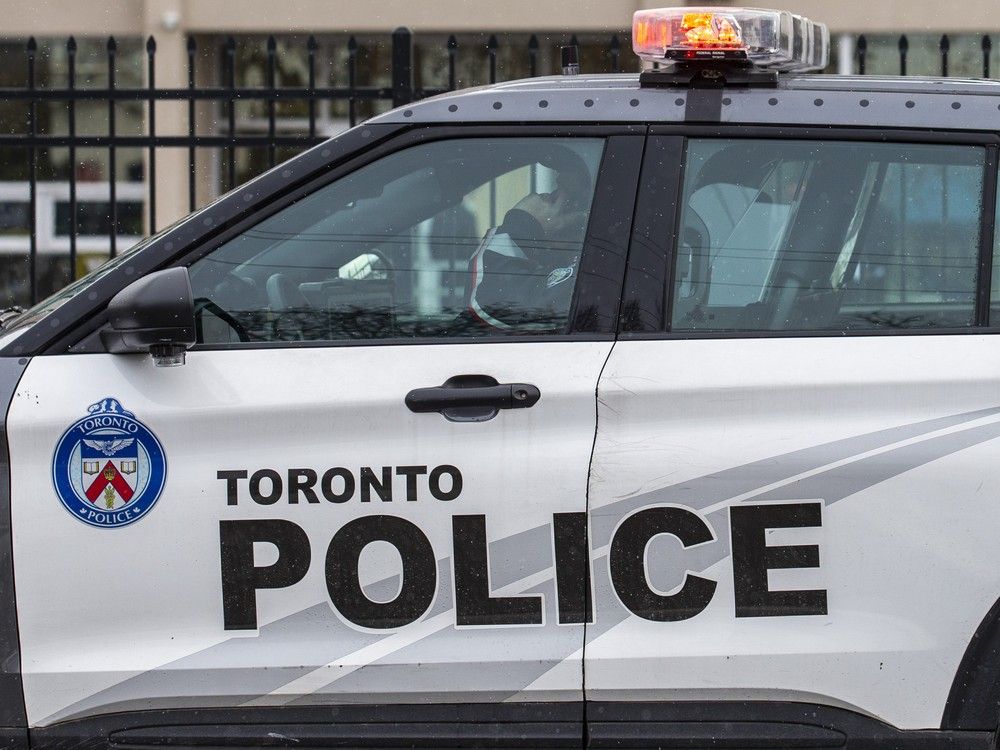
The streets of North York, a neighborhood long known for its vibrant Jewish community, became the site of a disturbing incident that has sent shockwaves through the Greater Toronto Area. In a brazen act of intimidation occurring on April 30, 2026, visibly identifiable Jewish residents were targeted in a drive-by assault involving a replica firearm. While the weapon used—a “gel-blaster” or Orbeez-type gun—is often dismissed as a toy, the intent behind this attack is being treated by the Toronto Police Service (TPS) as a serious, hate-motivated crime.
As Toronto grapples with a documented surge in antisemitic incidents, this latest assault highlights a dangerous shift in the nature of harassment facing the community. With authorities actively searching for a blue SUV captured on surveillance footage, the incident has reignited national debates regarding public safety, the definition of a “national emergency,” and the escalating climate of intolerance in Canadian urban centers.
The Anatomy of the Attack in North York
The incident took place in the vicinity of Bathurst Street and Lawrencetown Avenue West, an area characterized by a high concentration of synagogues, Jewish schools, and community centers. According to police reports, a suspect driving a blue SUV opened fire on pedestrians who were clearly identifiable as Jewish.
Understanding the “Gel-Blaster” Weaponry
While the term “Orbeez gun” may sound innocuous to the layperson, the reality of these devices is more complex. These replica firearms utilize pressurized air or electric motors to launch water-absorbent polymer beads at high velocities.
Physical Impact: At close range, these projectiles can cause significant bruising, welts, and, in some cases, severe eye injuries.
Psychological Impact: Because these devices are designed to mimic real-world firearms—often resembling high-caliber handguns or rifles—the victims are forced to contend with the immediate, terrifying uncertainty of whether the weapon is lethal.
The “Toy” Misconception: By marketing these items as toys for children as young as five, manufacturers have inadvertently provided a tool for those seeking to terrorize others while maintaining a veneer of “plausible deniability” regarding the weapon’s lethality.
A Pattern of Escalation
This drive-by assault did not occur in a vacuum. Community leaders and advocacy groups, including the UJA Federation of Greater Toronto and the Centre for Israel and Jewish Affairs (CIJA), have pointed to this event as part of a broader, alarming trend.
In the weeks leading up to this attack, Toronto saw a series of disturbing events, including vandalism directed at Jewish-owned businesses and physical altercations outside local places of worship. The cumulative effect of these actions has created an environment where Jewish Canadians are increasingly feeling pressured to hide their identity in public spaces.
The Institutional Response
Jewish advocacy organizations have been vocal in their demand for systemic change. The Abraham Global Peace Initiative (AGPI), led by CEO Avi Abraham Benlolo, has gone as far as calling for the federal government to invoke the Emergencies Act. The argument presented by proponents of this measure is that the current wave of violent extremism and radicalization has surpassed the capacity of local law enforcement to maintain order and public safety for minority groups.
Conversely, the National Council of Canadian Muslims has also joined the chorus of condemnation, labeling the incident “disgusting and deeply concerning.” This cross-community denunciation underscores a growing consensus: that targeted violence against any religious or ethnic group is an affront to the democratic values that define Canada.
Policing and Investigations in 2026
The Toronto Police Service is currently utilizing advanced surveillance analysis to track the blue SUV involved in the April 30th assault. The investigation is being handled with the gravity afforded to hate crimes, which allows for increased investigative resources and potential sentence enhancements upon the identification and apprehension of the suspect.
Why Hate-Motivated Crimes are Prioritized
When police classify an incident as “hate-motivated,” it shifts the investigative focus to the intent* of the perpetrator. In this case, the fact that the victims were targeted specifically for their visible Jewish identity is the primary evidence for this classification.
Law enforcement officials have emphasized that the community’s safety is the top priority. They are urging residents in the North York area to review their own security camera footage from the evening of April 30th to identify the suspect vehicle. Cooperation between the public and the TPS is viewed as the most effective tool in curbing this specific type of “brazen” street-level harassment.
The Path Forward: Can Canada Stem the Tide?
As we move further into 2026, the question remains: what can be done to protect the Jewish community from this “dangerous escalation”?
- Increased Visibility and Security: Many institutions are now forced to invest in private security, a financial burden that limits the resources available for community programming.
- Legislative Reform: There is an ongoing debate about whether existing hate-speech and hate-crime laws are sufficient to deter those who use “replica” weapons to facilitate harassment.
- National Dialogue: Leaders are calling for a more robust national strategy to combat radicalization, suggesting that local police efforts must be supported by federal policy changes.
The resilience of the Jewish community in Toronto is well-documented, but there is a breaking point for every demographic. As the UJA Federation noted, these attacks are intended to force people into silence and hiding. The collective response from civil society must be to reject this fear and demand a city where citizens can walk down the street without the threat of being targeted for their faith or heritage.
Conclusion
The shooting of Jewish residents with a gel-blaster in North York is more than just a nuisance crime; it is a symptom of a societal sickness that threatens the fabric of Canadian multiculturalism. Whether through the invocation of emergency powers or increased community policing, the message from Toronto’s authorities and advocacy groups is clear: the current situation is unsustainable. As the investigation into the blue SUV continues, the city waits to see if the suspect will be brought to justice—and if the broader trend of antisemitic violence can be effectively reversed.