Strait of Hormuz Standoff: Why Trump Paused ‘Project Freedom’ Amid New Iran Diplomacy

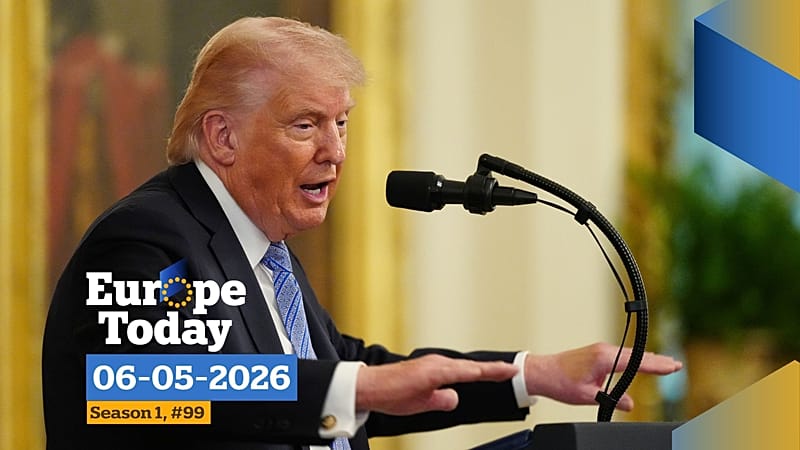
The geopolitical landscape of 2026 is shifting rapidly. In a move that has caught the attention of global markets and security analysts alike, U.S. President Donald Trump has officially announced a temporary pause to “Project Freedom,” the high-stakes military operation tasked with escorting commercial vessels through the volatile Strait of Hormuz. This news, encapsulated by the headline ‘Europe today: Operation in Strait of Hormuz paused, Trump says‘, marks a significant shift.
This decision marks a pivotal moment in the ongoing tensions between Washington and Tehran. As the world watches, the intersection of energy security, maritime law, and delicate back-channel diplomacy is taking center stage. For European policymakers, who rely heavily on this strategic chokepoint for oil and gas imports, the pause, as highlighted by the news ‘Europe today: Operation in Strait of Hormuz paused, Trump says‘, represents both a glimmer of hope and a significant cause for concern.
The Strategic Significance of Project Freedom
The Strait of Hormuz is arguably the most critical maritime artery on the planet. With a significant percentage of the world’s daily oil consumption passing through its narrow waters, any disruption creates immediate ripples in global inflation and energy prices. “Project Freedom” was launched as a unilateral U.S. initiative to ensure that these vital shipping lanes remained open despite Iranian threats of blockade.
Why the Pause Now?
The White House has cited “great progress” in ongoing negotiations with Iran as the primary driver for this tactical shift, a development that underpins the news ‘Europe today: Operation in Strait of Hormuz paused, Trump says‘. President Trump hinted that Beijing has played a subtle but instrumental role in bringing Tehran to the negotiating table. By pausing the escort missions, the U.S. is signaling a willingness to reduce military posturing in exchange for concrete diplomatic concessions.
De-escalation: The U.S. aims to lower the temperature in the Persian Gulf to allow for a diplomatic breakthrough.
Leverage: While the escort mission is on hold, the U.S. naval blockade of Iranian ports remains in place, keeping pressure on the Iranian economy.
Beijing’s Influence: Reports suggest that China’s mediation efforts have been crucial in persuading Iran to reconsider its stance on the waterway.
Europe’s Perspective: Insights from ‘Europe Today’
As explored on Euronews’ flagship morning show, Europe Today, the European Union is navigating a complex path, particularly concerning the implications of ‘Europe today: Operation in Strait of Hormuz paused, Trump says‘. Chief anchor Méabh Mc Mahon and EU editor Maria Tadeo have been tracking these developments closely, highlighting how the pause affects European energy security and diplomatic standing.
The consensus from Brussels is cautious optimism regarding the news ‘Europe today: Operation in Strait of Hormuz paused, Trump says‘. While the EU has long advocated for a multilateral approach to maritime security, the reliance on U.S. naval power has been a point of contention. The current pause in operations provides a window for European leaders to engage more directly in the de-escalation process, ensuring that their interests are represented in any emerging deal.
Expert Analysis on the Situation
In recent interviews on Europe Today, discussing the implications of ‘Europe today: Operation in Strait of Hormuz paused, Trump says‘, experts like Helge Berger, Deputy Director of the IMF’s European Department, and Catherine Ashton, former EU High Representative for Foreign Affairs, have provided critical context:
- Economic Stability: Berger emphasizes that the stability of the Strait is non-negotiable for the European economy. Any prolonged closure would trigger a supply chain crisis that the Eurozone is ill-equipped to handle in 2026.
- Diplomatic Autonomy: Baroness Ashton argues that while the U.S.-Iran deal is positive, the EU must ensure its own security architecture remains robust, rather than relying solely on the fluctuations of Washington’s foreign policy.
Political Ripples: Beyond the Strait
The fallout of this announcement, particularly the implications of ‘Europe today: Operation in Strait of Hormuz paused, Trump says‘, is not limited to the Middle East. Across Europe, domestic political shifts are coloring how nations respond to the situation.
Romania and Slovenia: New Faces, New Challenges
The Europe Today team also turned their lens toward the broader European political scene, examining how different nations are reacting to the news ‘Europe today: Operation in Strait of Hormuz paused, Trump says‘. Andra Diaconescu reported on the challenges facing Romania’s new prime minister, who must balance the nation’s commitment to NATO security with the economic realities of a changing global energy market. Similarly, journalist Alja Pengov Bitenc provided an update on the latest developments in Ljubljana, where the new government is navigating the complex task of aligning national interests with the wider EU strategy regarding Middle East stability.
The Vatican Connection: Rubio’s Diplomacy
In a fascinating segment, Jakub Janas explored Senator Marco Rubio’s recent visit to the Vatican. This visit is being interpreted as a broader effort to repair strained relations and align Western diplomatic efforts with moral and humanitarian objectives. The intersection of Church diplomacy and statecraft is a recurring theme in the 2026 geopolitical puzzle, as leaders seek alternative channels to resolve disputes that traditional military posturing has failed to solve.
What Lies Ahead for Global Energy Markets?
The temporary nature of the pause in “Project Freedom”, a key aspect of ‘Europe today: Operation in Strait of Hormuz paused, Trump says‘, leaves the door open for a return to military escort missions if talks falter. This creates an environment of calculated uncertainty. For shipping companies, insurance premiums remain high, and the logistics of moving tankers through the Strait remain precarious.
Market analysts suggest that the coming weeks will be decisive. If the U.S.-Iran negotiations yield a formal agreement, we could see a permanent reduction in naval presence. However, if the pause is merely a tactical delay, the risk of a miscalculation in the Strait remains high.
Conclusion: Staying Informed in a Volatile World
The pause in the Strait of Hormuz operations, a central theme of ‘Europe today: Operation in Strait of Hormuz paused, Trump says‘, is a testament to the fact that in 2026, foreign policy is being written in real-time. Whether it is the shifting alliances in the Middle East or the internal political realignments in Brussels, Bucharest, or Ljubljana, the need for credible, up-to-the-minute information has never been greater.
You can stay ahead of these developments, including the latest on ‘Europe today: Operation in Strait of Hormuz paused, Trump says‘, by tuning into Europe Today every weekday at 08:00 CET. Join Méabh Mc Mahon and Maria Tadeo as they break down the stories that shape our world, from high-level diplomacy to the nuances of European governance. Available live on TV, online, and via our dedicated podcast and newsletter, Europe Today* is your essential guide to the complexities of the modern era.