Navigating Geopolitical Uncertainty: Why South Korea Paused ‘Project Freedom’

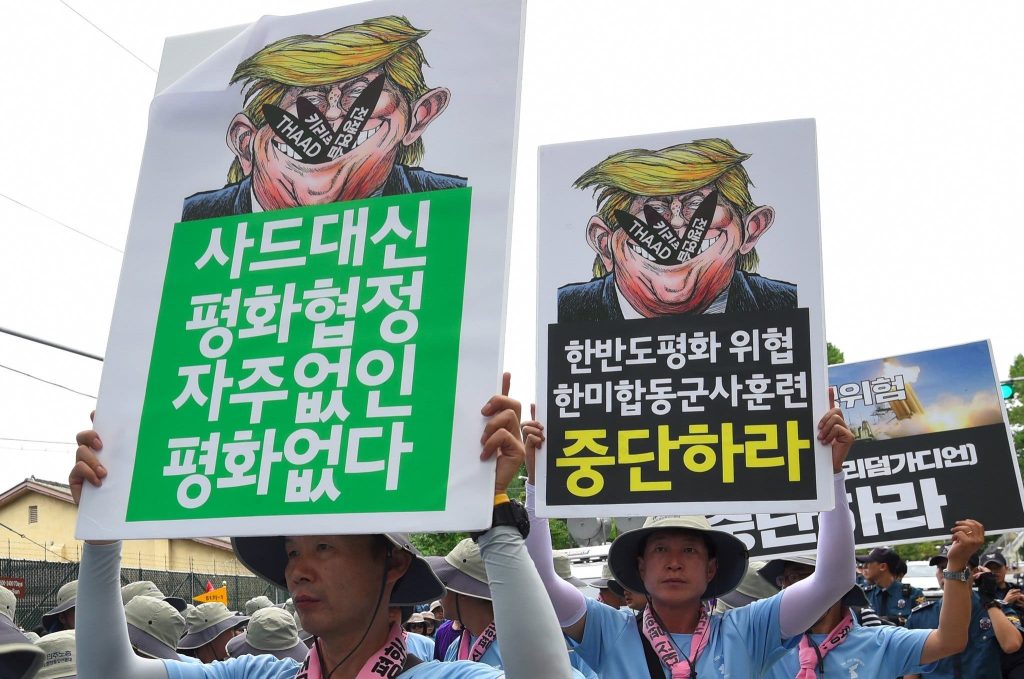
In the complex theater of Middle Eastern maritime security, the diplomatic landscape has shifted once again. By mid-2026, the international community has watched closely as South Korea officially suspended its review of the U.S.-led “Project Freedom.” This initiative, championed by President Donald Trump, was originally designed to secure the Strait of Hormuz—a vital artery for global energy supplies. However, with the mission now on hold, Seoul has recalibrated its foreign policy to avoid unnecessary entanglement in regional conflicts.
The Context: A Strategic Pause in the Strait of Hormuz
The Strait of Hormuz is arguably the most sensitive maritime chokepoint on the planet, with approximately one-fifth of the world’s oil and liquefied natural gas (LNG) passing through its waters daily. When tensions between the United States and Iran escalated, leading to the proposal of “Project Freedom,” South Korea found itself in a difficult position.
Initially, the Blue House signaled a willingness to evaluate the U.S. proposal, particularly after an explosion involving a Korean-operated vessel caused alarm. However, as the situation stabilized and the U.S. moved to pause the operation citing “great progress” in diplomatic channels with Iran, Seoul made the pragmatic decision to halt its internal review. National security advisors in Seoul have clarified that there is no longer a pressing need to participate, effectively distancing the nation from a potential escalation.
The HMM Incident: Fact vs. Speculation
The impetus for the initial call to join the mission was a fire on a South Korean-operated bulk carrier. At the time, the incident was shrouded in mystery. President Trump had publicly suggested that the ship was targeted by Iranian forces, a claim that served as a catalyst for the “Project Freedom” initiative.
However, subsequent investigations by South Korean officials revealed a different picture. Wi Sung-lac, the presidential national security adviser, noted that after gathering additional intelligence, the evidence of an attack remained inconclusive. The fire, which originated in the engine room, was successfully extinguished, and the vessel was eventually towed to Dubai for a full inspection. This clarification was crucial in allowing Seoul to walk back from the brink of a premature military commitment.
South Korea’s Delicate Balancing Act
South Korea’s foreign policy in 2026 is defined by a need for stability. With the nation navigating its own internal political transitions—following the impeachment of former President Yoon Suk Yeol and the subsequent period of political volatility—the government is understandably cautious about entering foreign military coalitions.
Diplomatic Prudence
Seoul has repeatedly emphasized that it prefers to operate within established international frameworks rather than unilateral U.S. initiatives. By focusing on the “Maritime Freedom Construct” (MFC)—a broader, multilateral approach—South Korea maintains its commitment to global trade safety without appearing to take sides in the volatile U.S.-Iran dynamic.
Economic Interests
With 26 South Korean-flagged vessels stranded or operating near the Strait of Hormuz at various points during this crisis, the economic stakes are immense. The government’s priority is protecting its merchant fleet while maintaining its diplomatic neutrality. This approach shields the nation from the economic fallout that could result from direct involvement in a regional conflict.
The Wider Impact of Political Instability in Seoul
It is impossible to discuss South Korea’s recent foreign policy decisions without acknowledging the profound domestic turmoil the nation has faced in 2026. The ousting of President Yoon Suk Yeol has left the administration in a state of flux. With the country cycling through acting leadership, the government’s ability to commit to major international military operations is severely constrained.
The suspension of the review for “Project Freedom” is, in many ways, a reflection of this internal reality. Without a stable executive mandate, Seoul is unlikely to take risks that could jeopardize its relationships with either the United States or its energy suppliers in the Middle East.
Future Outlook: Navigating the Strait
As we look toward the remainder of 2026, the question remains: will South Korea eventually join an international maritime security framework? The government has stated that “freedom of navigation and international safety is important,” suggesting that while they are currently stepping back, they are not permanently closing the door on cooperation.
Key Takeaways for Global Observers:
Strategic Autonomy: Seoul is prioritizing its own national interests, favoring multilateral frameworks over specific U.S. requests.
Evidence-Based Decisions: The government is wary of being drawn into conflicts based on preliminary or unverified intelligence, as seen with the HMM vessel incident.
- Domestic Constraints: The ongoing political transition in South Korea acts as a natural brake on aggressive foreign policy maneuvers.
In conclusion, the decision to suspend the review of “Project Freedom” is a calculated move to preserve diplomatic flexibility. By avoiding a knee-jerk commitment to a volatile U.S. initiative, South Korea is prioritizing regional stability and domestic recovery. As the geopolitical sands continue to shift, Seoul’s focus remains on navigating the delicate balance between being a reliable U.S. ally and a sovereign state protecting its own critical economic interests.