Trump’s Red Line: Iran Faces Total Annihilation if US Vessels Are Targeted

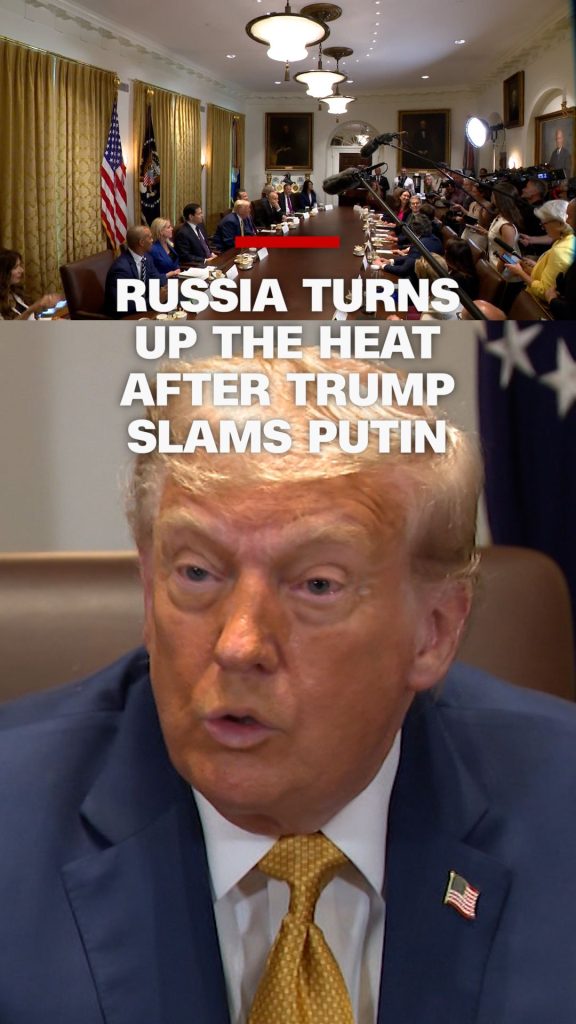
The geopolitical landscape of 2026 has reached a boiling point. As maritime tensions in the Middle East escalate, President Donald Trump has issued his most aggressive ultimatum to date: any Iranian strike against United States naval vessels will result in the Islamic Republic being “blown off the face of the Earth.” This chilling declaration, delivered during a high-stakes interview on Fox News, marks a definitive shift in the US-Iran standoff, signaling that the era of strategic patience has effectively ended.
The Strait of Hormuz: A Global Chokepoint in Crisis
The Strait of Hormuz remains the world’s most critical maritime artery. With nearly 20% of the global oil supply passing through this narrow waterway, any disruption is felt instantly in the global economy. In recent months, the region has transformed into a theater of active naval warfare, with reports of “Project Freedom”—a US-led initiative aimed at safeguarding international shipping lanes—facing constant friction from Iranian forces.
President Trump’s rhetoric comes on the heels of reports that US forces have engaged in direct combat, including the sinking of several small Iranian vessels that were allegedly harassing commercial traffic. By framing these actions as a necessary defense of global trade, the administration is attempting to build an international coalition to isolate Tehran’s naval activities.
Analyzing the “Project Freedom” Strategy
The U.S. Navy’s current posture is designed to project power where it is needed most. Under “Project Freedom,” American destroyers and frigates are providing escort services to tankers that have been stranded or threatened. However, this increased presence has invited retaliation, with Tehran deploying drones and missile batteries in an attempt to assert regional dominance.
Key Drivers of the Current Escalation:
Naval Harassment: Frequent, low-level confrontations between Iranian speedboats and US warships have created a volatile environment where a single miscalculation could lead to full-scale war.
Missile and Drone Threats: Tehran continues to test the limits of US air defense systems by launching sophisticated drones, prompting the US to intercept them before they reach their targets.
- Economic Stability: The blockade of the Strait has caused ripples in energy markets. For the US, protecting these routes is not just a security objective; it is a vital economic necessity to keep fuel prices stable for the American public.
The Rhetoric of “Total Annihilation”
When President Trump uses the phrase “blown off the face of the Earth,” he is not merely speaking to the Iranian leadership; he is signaling to global adversaries that the US military’s technological superiority is ready to be utilized at a moment’s notice. In the context of 2026, this language suggests that the administration has abandoned traditional diplomatic nuances in favor of a “peace through strength” doctrine.
Analysts suggest this shift is designed to prevent a nuclear escalation. By drawing a hard red line at the maritime border, the US is attempting to force Iran into a corner where further aggression is seen as an existential threat to the regime itself.
The View from Tehran: Defensive or Aggressive?
Iran has consistently maintained that its naval activities in the Persian Gulf are purely defensive. Tehran argues that the presence of US warships is an act of provocation and a violation of its sovereign rights. Despite this, the international community remains largely skeptical, pointing to the interference with commercial shipping as a violation of international law.
The current stalemate is exacerbated by the collapse of previous peace negotiations. With diplomatic channels largely frozen, both sides are relying on military posturing to communicate their intent. The danger, as many security experts warn, is that the current “tit-for-tat” cycle of sinking boats and intercepting drones is unsustainable.
Future Implications for Global Security
What happens next in the Strait of Hormuz will define the trajectory of the Middle East for the remainder of the decade. If the US successfully enforces the “Project Freedom” mandate, it could lead to a period of forced stability. Conversely, if Iran perceives the US threat as a bluff, the region could spiral into a conflict with global consequences.
- Increased Naval Deployment: Expect to see more US assets moved into the Gulf to serve as a deterrent.
- Economic Volatility: Markets will likely remain sensitive to any news emanating from the Strait, with oil prices fluctuating based on the intensity of the rhetoric.
- Diplomatic Realignment: Other nations are now being forced to choose sides. Countries that rely on the Strait for energy security may find themselves under pressure to formally support the US naval mission.
Conclusion: A High-Stakes Gamble
President Trump’s warning is a clear indication that the US is prepared to use its full military might to ensure the safety of its vessels and the continuity of global commerce. Whether this bold, uncompromising stance will lead to a de-escalation or further conflict remains the central question of 2026. As the world watches the Strait of Hormuz, one thing is certain: the margin for error has never been thinner, and the consequences of a mistake have never been higher.