Digital Transformation or Human Tragedy? The Heavy Price of Nova Scotia’s $365M Medical Record Rollout

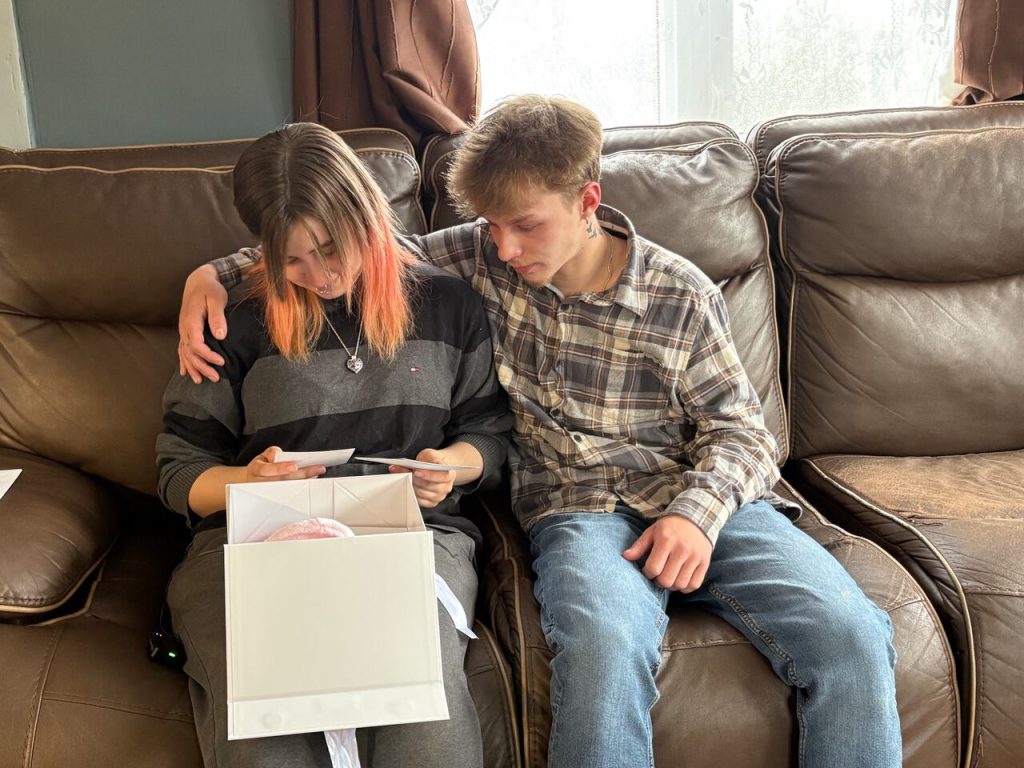
The promise of a modernized, seamless healthcare system is a vision every Canadian province strives for. In 2026, as we look back at the digital transformation of the Atlantic healthcare landscape, one story remains a haunting reminder that technology is only as good as the safety nets supporting it. For the Horne family of Ostrea Lake, Nova Scotia, the province’s One Person, One Record (OPOR) system isn’t just a $365-million software upgrade—it is the system they believe failed their unborn daughter, Arabella.
As the rollout expanded across the province, the Horne family’s demand for answers became a rallying cry for medical accountability. Their story highlights a critical tension: the rush to implement Electronic Medical Records (EMR) versus the fundamental duty of care.
A Family’s Heartbreak: The Death of Baby Arabella
In early 2024, Cassidy Horne was in the final stretch of her pregnancy. At 32 weeks, concerns arose that her baby had stopped growing. Her physician, acting with necessary urgency, sent at least two referrals to the IWK Health Centre in Halifax for a growth-tracking ultrasound.
However, those referrals allegedly vanished into a digital void. The family was later told by hospital staff that the requests were “lost” during the switchover to the new OPOR system, which had launched at the IWK in December 2023. By the time Cassidy finally received an ultrasound at 36 weeks, the news was devastating. Arabella had passed away just one day prior, her umbilical cord wrapped around her neck.
For the Hornes, the tragedy wasn’t just a medical complication; it was a systemic failure. “It makes me think that they knew something was going to happen… and they didn’t inform their patients because they didn’t want to scare them,” Cassidy Horne stated during the investigation.
The $365-Million Overhaul: What is OPOR?
The One Person, One Record (OPOR) system was designed to be the backbone of Nova Scotia’s modern health infrastructure. By merging over 80 different legacy workflows into a single platform, the goal was to ensure that a patient’s data—from blood work to surgical history—followed them to every clinic and hospital in the province.
The Scope of the System
Centralized Data: Eliminates the need for faxing records between departments.
Workflow Integration: Manages everything from pharmacy orders to food service requests.
Provincial Expansion: Following the IWK pilot, the system rolled out to the Central Zone, covering Halifax, the Eastern Shore, and West Hants.
While the vision of a “connected” province is ethically sound, the execution has faced fierce criticism from frontline workers. In 2026, we are still analyzing the “dark period” of the initial transition, where technical glitches translated into real-world risks.
Red Flags and Redacted Warnings
The Horne family’s experience was not an isolated incident. Internal documents and whistleblower letters have since revealed that the medical community was sounding the alarm well before the tragedy in January.
A redacted letter from an IWK physician, sent just two days before Arabella’s death, warned the Health Minister of “systemic failures.” The doctor noted that numerous prenatal ultrasound requisitions had been lost and that patients were receiving care much later than clinically recommended.
Furthermore, a survey conducted by the Nova Scotia Government and General Employees Union (NSGEU) among 260 workers at the IWK revealed a chilling reality:
- 58 health-care workers reported direct harm to patients.
- 188 workers reported significant delays in patient care.
- Staff expressed deep-seated anxiety regarding the safety of the system during the expansion phases.
Despite these warnings, the province proceeded with the rollout, leading many to question if the “success” of the $365-million project was being prioritized over patient safety.
The Accountability Gap: “No Significant Harm?”
One of the most frustrating aspects for the Horne family has been the official response from hospital leadership. Dr. Krista Jangaard, CEO of the IWK Health Centre, maintained that there had been “no significant patient harms” linked to the OPOR system since its launch. When asked directly about deaths connected to the software, her response remained a firm “no.”
This disconnect between the administration’s data and the family’s lived experience highlights a major flaw in how medical errors are tracked during digital transitions. If a referral is lost in a system, and a patient suffers as a result, is that classified as a “system error” or a “clinical outcome”? For the Hornes, the distinction is irrelevant—the result is the same.
The 2026 Perspective: Lessons from the Digital Frontline
As we navigate the healthcare landscape in 2026, the Nova Scotia experience has become a case study for other provinces. The Shared Pan-Canadian Interoperability Roadmap now emphasizes that “connected care” must include robust manual fail-safes during the transition period.
Key Insights for Modern EHR Rollouts:
Transparency as a Safety Tool: Had the IWK launched a public awareness campaign when they first realized records were being misdirected, families like the Hornes might have known to follow up manually.
The “Paper Backup” Necessity: Holly Horne, Cassidy’s mother, poignantly asked why staff couldn’t simply use a piece of paper when the digital system failed. In 2026, “redundancy protocols” are now a standard part of EMR implementation.
Independent Oversight: The Horne case proved that internal investigations by the same body implementing the system can lead to a perceived lack of accountability.
Seeking Closure in a Digital Age
Cassidy Horne and her family continue to speak out, not to dismantle the progress of technology, but to ensure that human life is never treated as an acceptable “glitch” in a system upgrade. They are still waiting for the full results of the investigation promised by the Health Minister.
For the people of Nova Scotia, the OPOR system has eventually brought many of the promised efficiencies. However, the shadow of the 2024 rollout remains. It serves as a reminder that in the world of healthcare, “One Person, One Record” must also mean that every single person—including those yet to be born—is accounted for and protected.
Conclusion
The tragedy of baby Arabella is a sobering chapter in Canada’s journey toward digital health. As technology continues to evolve in 2026 and beyond, the Horne family’s fight for answers ensures that the focus remains where it belongs: on the patient. Efficiency should never come at the cost of safety, and a $365-million system is only truly “successful” if it saves lives rather than complicating the path to care.