Trapped at Sea: Inside the Hantavirus Outbreak Aboard the MV Hondius

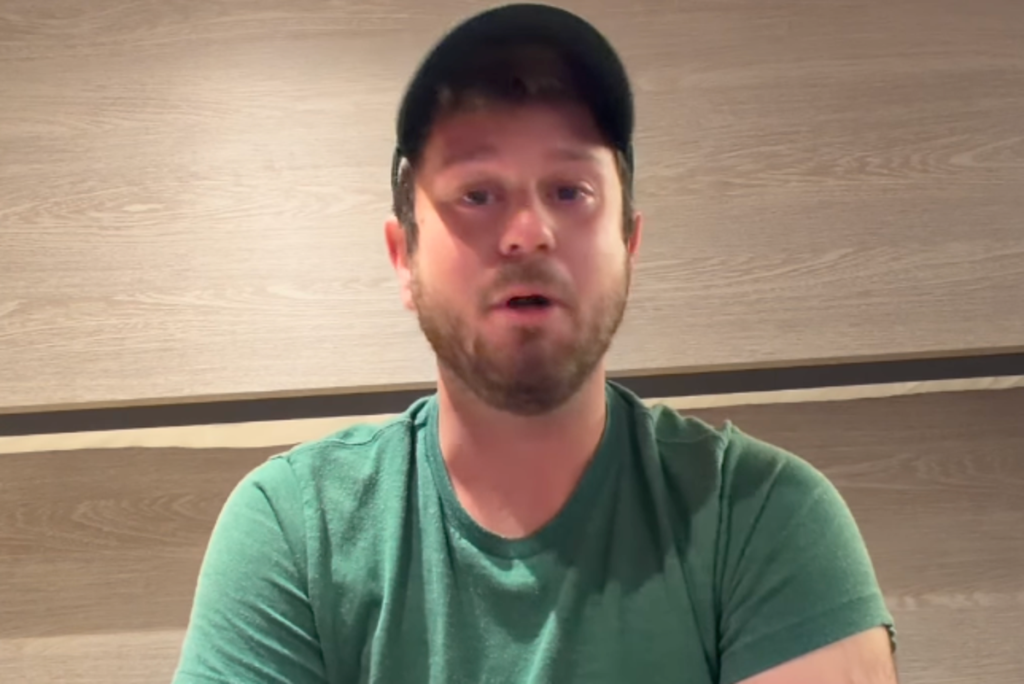
The dream of an expedition cruise—exploring the remote corners of the Atlantic—turned into a harrowing nightmare for 149 passengers and crew members aboard the MV Hondius. As a suspected hantavirus outbreak grips the vessel, the world is catching a glimpse of the fear and uncertainty through the lens of social media. American travel blogger Jake Rosmarin, who has been documenting his journey for his 44,000 followers, recently posted a heartbreaking, tearful video that has brought the human cost of this medical emergency into sharp focus.
The Reality of the MV Hondius Crisis
The MV Hondius, which set sail from Ushuaia, Argentina, on March 20, was scheduled for a long-haul voyage to Cape Verde. However, what was supposed to be a scenic transit across the South Atlantic became a scene of tragedy. Reports confirm that three individuals have already lost their lives, and a British passenger remains in critical condition within an intensive care unit in Johannesburg.
Rosmarin’s viral video serves as a sobering reminder that behind every news headline are real people caught in an impossible situation. “We’re not just a story, we’re not just headlines,” Rosmarin stated in his emotional update. His plea for clarity and safety resonates with many, highlighting the profound psychological toll that isolation and medical uncertainty can take on travelers.
What is Hantavirus? Understanding the Rare Infection
The hantavirus is a serious, often life-threatening disease that is primarily transmitted to humans through contact with the urine, saliva, or droppings of infected rodents. While human-to-human transmission is rare, the World Health Organization (WHO) and medical experts are currently conducting extensive investigations to determine the exact nature of the spread on the ship.
Symptoms and Progression
The clinical presentation of hantavirus can be deceptive, often starting with symptoms that mimic the common flu. According to the CDC, early warning signs include:
High fever and chills.
Severe muscle aches and fatigue.
Persistent headaches.
Abdominal pain and diarrhea.
As the infection progresses, it can lead to Hantavirus Pulmonary Syndrome (HPS), which causes fluid to build up in the lungs, leading to respiratory failure. Because there is no known cure for the virus, medical professionals emphasize the importance of early intervention. The survival rate is heavily dependent on how quickly a patient receives supportive care once symptoms appear.
The Human Cost of the Outbreak
The tragedy has already claimed the lives of a Dutch couple and a German national, casting a pall over the expedition. The death of the 70-year-old Dutch passenger upon arrival at the island of St. Helena, followed by the tragic passing of his wife in a South African hospital, underscores the severity of the situation.
For the 19 British passengers and four crew members on board, the uncertainty is compounded by the ship’s remote location. The shipowner, Oceanwide Expeditions, is working alongside international health agencies to manage the situation, but for those trapped on the vessel, the wait for definitive answers feels endless.
Why This Story Matters in 2026
In an era where travel is more accessible than ever, the MV Hondius incident highlights the lingering risks associated with remote expedition cruising. When a vessel is at sea, the logistics of medical evacuation become a complex, time-sensitive operation. The case has sparked a global conversation regarding health safety protocols on luxury and expedition cruise lines.
The Role of Social Media in Crisis Reporting
Jake Rosmarin’s decision to share his experience via Instagram has changed how the public consumes breaking news. By documenting his feelings of fear and his desire for safety, he has humanized the crisis in a way that traditional press releases cannot. His followers are not just watching a travel vlog; they are witnessing a real-time account of an unfolding international health event.
Moving Forward: Safety and Investigation
While the WHO continues its epidemiological investigation and genome sequencing of the virus, the maritime industry is watching closely. Ensuring that cruise ships have the necessary medical infrastructure to handle rare, zoonotic diseases is likely to become a priority for regulatory bodies in the coming years.
The passengers aboard the MV Hondius are currently waiting for the green light to return home safely. As Rosmarin noted in his video, their primary goal is simply to be reunited with their families. Until the ship is cleared and the virus is contained, the world remains focused on the South Atlantic, waiting for a resolution to this tragic and unusual ordeal.
Essential Safety Tips for Expedition Travelers
If you are planning an expedition cruise, always ensure you have:
- Comprehensive Travel Insurance: Ensure your policy covers medical evacuation.
- Vaccination Records: Keep your medical history accessible at all times.
- Communication Plans: Have a clear way to contact family, even in remote areas.
- Awareness: Research the specific health risks of the regions you intend to visit.
The story of the MV Hondius will undoubtedly serve as a case study for years to come, emphasizing that while adventure is the goal of travel, safety must always be the foundation.