The Strait of Hormuz Standoff: Why Pentagon Chief Hegseth Insists the Iran Ceasefire Holds

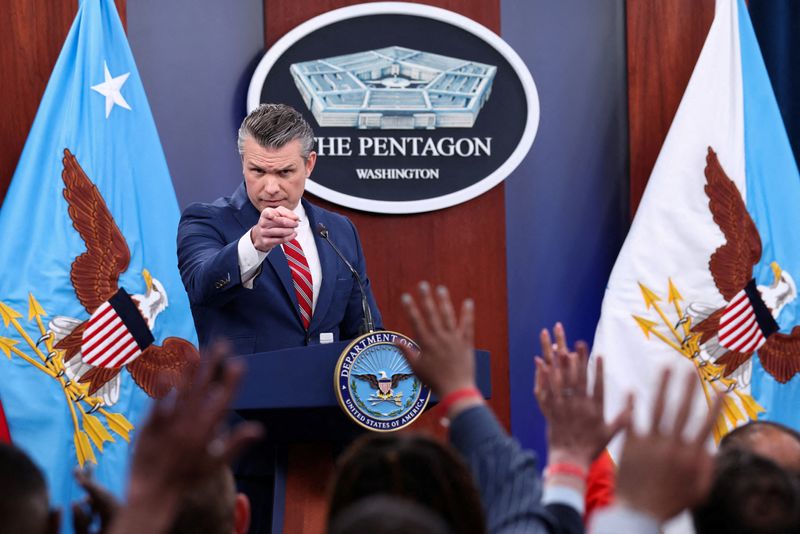
The geopolitical landscape in the Middle East has reached a fever pitch in May 2026. As tensions in the Gulf escalate, U.S. Defense Secretary Pete Hegseth has taken a firm stance, declaring that the ceasefire with Iran remains in effect, despite persistent military skirmishes and a high-stakes battle for control over the Strait of Hormuz.
This declaration comes at a critical juncture in “Project Freedom,” a massive naval operation ordered by President Donald Trump to safeguard global energy supplies. With the world watching, the Pentagon is balancing aggressive defensive maneuvers with a strategic desire to prevent the conflict from spiraling into a full-scale, all-out war.
The Battle for the Strait of Hormuz: A Strategic Chokepoint
The Strait of Hormuz serves as the world’s most significant maritime energy artery. Since the onset of hostilities on February 28, the waterway has become the primary theater of conflict between U.S. forces and Iranian assets. Iran has repeatedly attempted to enforce a blockade, threatening to choke off a fifth of the world’s oil and liquefied natural gas (LNG) supply.
Secretary Hegseth’s recent press briefing highlighted the success of the U.S. Navy in dismantling these blockade efforts. “We know the Iranians are embarrassed by this fact,” Hegseth remarked. “They said they control the strait. They do not.” By escorting hundreds of commercial vessels, the U.S. has effectively challenged Iran’s maritime dominance, turning the tide in favor of international trade security.
Defining the Ceasefire: Is It Still Relevant?
The term “ceasefire” has become a point of intense debate among military analysts and global policymakers. Since the agreement was formally announced on April 7, the region has seen repeated violations. General Dan Caine, Chairman of the Joint Chiefs of Staff, noted that Iranian forces have engaged in:
Nine distinct attacks on commercial vessels traversing the Gulf.
The seizure of two container ships, disrupting supply chains.
- Over 10 direct attacks on U.S. military personnel and assets.
Despite these provocations, Pentagon leadership maintains that these actions remain “below the threshold” required to trigger a total collapse of the ceasefire. Hegseth argues that the U.S. response—sinking six Iranian small boats and intercepting cruise missiles and drones—has been a necessary, targeted defensive measure rather than an escalation of the conflict.
Project Freedom: A New Paradigm for Naval Security
“Project Freedom” is the cornerstone of the Trump administration’s strategy to normalize transit in the Strait of Hormuz. By deploying naval escorts to protect stranded tankers, the U.S. has signaled that it will not tolerate the weaponization of global energy markets.
However, this mission is not without its costs. Recent reports confirm that an oil port in the United Arab Emirates—a key U.S. ally—was set ablaze by Iranian missiles. This incident, combined with reports of fires on merchant ships, underscores the volatility of the current situation. The U.S. Navy has subsequently tightened its grip, enforcing a strict maritime blockade of Iran to prevent the flow of arms and further destabilizing maritime traffic.
The Internal Pentagon Shift
The pressure on the Pentagon is twofold. Beyond the external conflict with Iran, Secretary Hegseth is overseeing significant internal restructuring. His recent directive to reduce the number of four-star officers by 20% indicates that the Department of Defense is looking to streamline its command structure during this high-intensity period.
Critics argue that such drastic cuts during an active conflict might impede operational efficiency. Supporters, however, view it as a necessary evolution to ensure the military is agile and responsive to the asymmetric threats posed by modern adversaries like Iran.
Analysis: The Path Forward
The situation in 2026 remains precarious. By insisting that the ceasefire is “not over,” Hegseth is providing the diplomatic space necessary for de-escalation while maintaining a “defend and defend aggressively” posture. The U.S. objective is clear: keep the Strait of Hormuz open for global commerce at all costs.
Whether this delicate balance can hold remains to be seen. Iran’s persistent, albeit sub-threshold, attacks suggest a strategy of attrition, testing the resolve of the U.S. presence in the Gulf. For now, the Pentagon’s message to Tehran is one of strength: the U.S. will continue to protect its interests, and the door for a return to full peace remains open, provided the provocation ends.
Key Takeaways for Global Markets:
- Energy Security: The U.S. remains committed to keeping the Strait of Hormuz open, which is vital for global oil and LNG prices.
- Military Strategy: The U.S. military is prioritizing defensive, reactive measures to avoid a full-scale, major combat operation.
- Diplomatic Intent: By labeling the current state as a “ceasefire,” the administration avoids the political and economic instability of an officially declared war, even as skirmishes continue.
As the situation unfolds, the world waits to see if Iran will retreat from its blockade tactics or if the U.S. will be forced to escalate its response. One thing is certain: Hegseth’s Pentagon is prepared for either outcome.