Hantavirus Cruise Outbreak: 7 Cases Confirmed as MV Hondius Passengers Remain Stranded

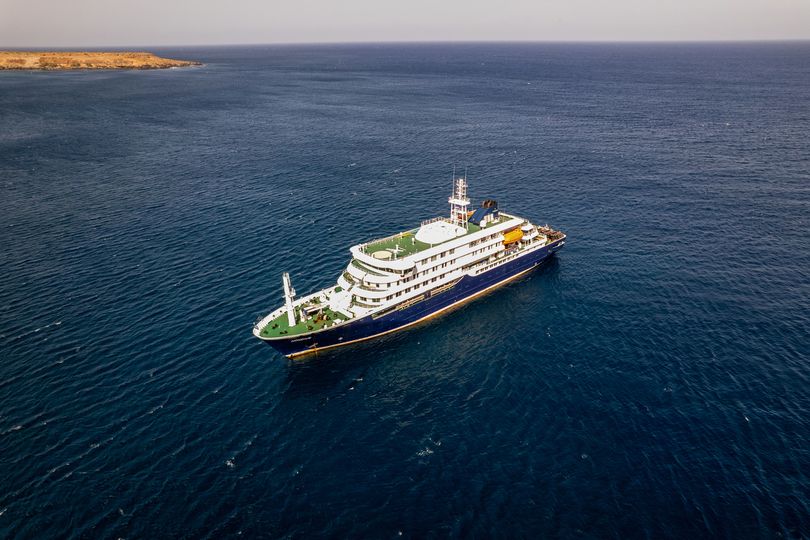
The global travel community has been gripped by a growing health crisis in May 2026, as a luxury cruise liner, the MV Hondius, remains under quarantine off the coast of Cape Verde. What began as a dream voyage has transformed into a desperate medical emergency, with health authorities confirming that seven individuals have been affected by a suspected Hantavirus outbreak. With three passengers confirmed dead and others in critical condition, the situation has sparked international concern regarding maritime health safety protocols.
The Escalating Crisis Aboard the MV Hondius
As of early May 2026, approximately 150 passengers and crew members remain trapped aboard the vessel. The World Health Organization (WHO) has confirmed that out of the seven suspected cases, two have been laboratory-verified as Hantavirus, while the remaining five are being treated as highly probable cases.
The timeline of the illness, which reportedly manifested between April 6 and April 28, has left medical teams scrambling to contain the spread. The ship, currently docked off the coast of Cape Verde, has become a focal point for international health agencies, including the WHO, which is leading epidemiological investigations and providing medical support to those still on board.
Understanding Hantavirus: A Rare but Deadly Threat
Hantavirus is a rare, severe respiratory disease primarily transmitted to humans through contact with the urine, feces, or saliva of infected rodents. While human-to-human transmission is extremely rare, the confined environment of a cruise ship presents unique challenges for infection control.
Symptoms to Monitor
The WHO has released detailed clinical data regarding the progression of the virus among those affected on the MV Hondius. Early warning signs often mimic common illnesses, making diagnosis difficult in the initial stages. Key symptoms reported by passengers include:
High fever and persistent headaches
Gastrointestinal distress, including nausea and diarrhea
Rapid progression to pneumonia
Acute Respiratory Distress Syndrome (ARDS)
- Systemic shock
The rapid deterioration of patients, as seen in the tragic cases of the elderly Dutch couple who fell ill after traveling through South America, underscores the aggressive nature of this pathogen when it advances to respiratory failure.
The Human Impact: Irish Nationals and Global Passengers
Among the 150 people stranded are two Irish nationals, including Ann Lane, who has spoken publicly about the psychological toll of the quarantine. The atmosphere on board is described as one of profound sadness and confusion. Passengers were largely unaware of the nature of the illness until the first fatalities occurred, leading to a sense of helplessness as they wait for clearance from Cape Verdean authorities.
The cruise operator, Oceanwide, has issued statements expressing their commitment to the safety of those on board, though they remain limited by the lack of authorization from local authorities to allow for medical disembarkation. “During this voyage, three passengers have passed away,” the company stated, noting that one passenger is currently fighting for their life in a Johannesburg intensive care unit, while two crew members are in urgent need of medical intervention.
Maritime Health Protocols and Future Implications
This 2026 outbreak raises critical questions about how cruise lines manage the risk of zoonotic diseases. While protocols for gastrointestinal outbreaks like Norovirus are well-established, the emergence of a rodent-borne virus on a luxury vessel is an anomaly that will likely lead to a complete overhaul of maritime sanitary inspections.
Challenges in Containment
- Logistical Barriers: The difficulty in coordinating international medical evacuations when local authorities deny entry for potentially infected individuals.
- Environmental Control: The challenge of eradicating rodent populations in complex ship structures where passengers reside.
- Early Detection: The need for better diagnostic equipment on board to distinguish between routine respiratory infections and life-threatening viral outbreaks.
A Waiting Game: The Path Forward
As the investigation continues, the primary focus remains on the health of the remaining passengers. With the WHO conducting further laboratory testing, the global community is watching closely to see if the outbreak can be contained to the vessel or if secondary surveillance will be required for those who disembarked at earlier ports, such as St Helena.
For those trapped on the MV Hondius, the priority is simple: safe return and medical treatment. The tragic loss of three lives has cast a long shadow over the cruise industry, serving as a somber reminder of the vulnerabilities inherent in global travel. As authorities in Cape Verde and international health organizations negotiate the next steps, the world waits for news that the remaining passengers will finally be granted safe passage home.
Expert Insight: Why Rodent-Borne Illnesses Are Rising
Epidemiologists suggest that the rise in such cases may be linked to changing climate patterns and human encroachment into previously undisturbed wildlife habitats. When travelers visit remote regions—such as parts of South America where the affected couple likely contracted the virus—the risk of exposure increases. Awareness, sanitation, and immediate medical intervention remain the only defense against such rare but high-mortality events.