Senate Republicans Push $1 Billion Secret Service Funding Boost: The White House Ballroom Controversy

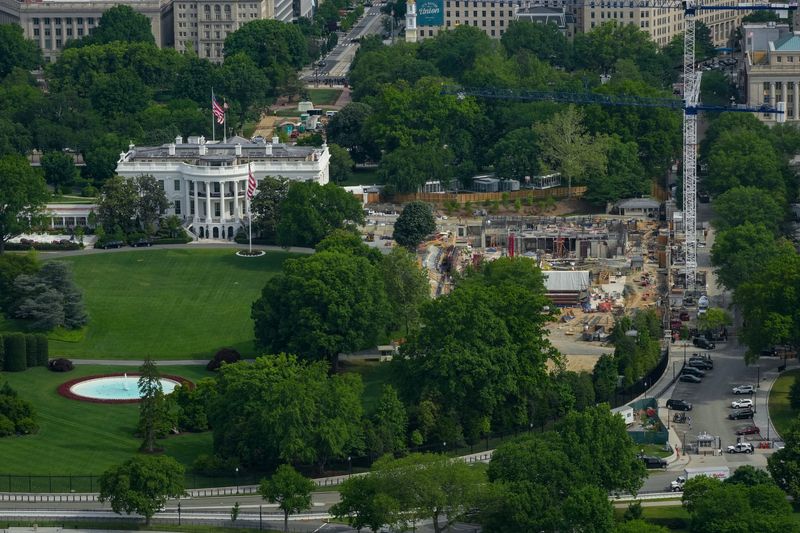
As the political landscape in Washington shifts toward the 2026 midterm elections, a new legislative maneuver has ignited a firestorm of debate. Senate Republicans have introduced a massive $72 billion spending package that includes a controversial provision: $1 billion in taxpayer funding for Secret Service security upgrades, specifically tied to the construction of a new White House ballroom.
This move marks a significant pivot from earlier promises that the project would be financed entirely through private donations. As the debate heats up, the implications for federal spending, executive infrastructure, and political accountability are coming under intense scrutiny.
The $1 Billion Security Upgrade Explained
The proposed funding, embedded within a broader reconciliation package, is officially designated for the U.S. Secret Service. The primary objective, according to the legislative text, is to manage the complex security requirements necessitated by the White House ballroom project.
While the ballroom itself is estimated to cost approximately $400 million, the additional $1 billion in requested funding covers the specialized security infrastructure required to protect the new facility. This includes:
Advanced Perimeter Security: Upgrading sensor arrays and surveillance systems around the new wing.
Personnel Training: Funding for additional agents specifically assigned to the expanded executive space.
Technological Integration: Hardening the structure against modern electronic and physical threats.
The Shift from Private Funding to Taxpayer Dollars
One of the most contentious aspects of this proposal is the reversal of the original financing plan. When the ballroom project was first announced, President Donald Trump and his administration emphasized that private donations would cover the costs, insulating the American taxpayer from the burden of the construction.
The decision to pivot toward federal funding via a reconciliation bill has drawn sharp criticism from the Democratic side of the aisle. Senator Dick Durbin, a vocal critic of the package, has characterized the move as an attempt to bypass traditional oversight. By utilizing the reconciliation process, Republicans are able to avoid the 60-vote threshold in the Senate, effectively allowing the bill to pass on a party-line vote.
Why Reconciliation Matters
The use of reconciliation is more than just a procedural detail. In the current 2026 legislative climate, it represents a high-stakes strategy to push through policy objectives before the midterm elections. By avoiding the need for bipartisan support, the GOP is looking to secure long-term funding for its priorities, including immigration enforcement and the White House renovations, without negotiating with the opposition.
Immigration Enforcement and Border Security Integration
The $1 billion for the Secret Service is just one piece of a much larger $72 billion puzzle. The majority of this funding is directed toward the Department of Homeland Security (DHS), specifically targeting Immigration and Customs Enforcement (ICE) and Customs and Border Protection (CBP).
Key components of the wider spending package include:
- CBP Personnel: $19 billion allocated to bolster border patrol operations and technology.
- ICE Investigations: $7.5 billion dedicated to the Homeland Security Investigations (HSI) division.
- Judiciary Support: Nearly $35 billion combined for the Department of Justice and immigration enforcement agencies.
Senator Chuck Grassley, the Republican chair of the Judiciary Committee, has defended the package as a necessity for public safety. He argues that the funding provides “certainty for federal law enforcement” and is a direct response to the need for “safer streets for American families.”
The Political Fallout: A Battle Over Priorities
The proposal has sparked a fierce debate over the government’s fiscal priorities. Democrats argue that while the nation faces economic challenges and affordability crises, the administration is prioritizing a “vanity ballroom project” and aggressive enforcement measures.
For the White House, the project is framed as an essential upgrade to the executive mansion’s capacity to host diplomatic events and official functions. For critics, the timing—occurring on the heels of recent security lapses at high-profile events—suggests that the facility poses a significant security liability that the taxpayer is now being forced to mitigate.
Security Concerns in a Post-Incident Climate
The urgency of this funding request was amplified following an incident at a recent White House Correspondents’ dinner, where an alleged gunman was apprehended. This event served as a catalyst for Republican lawmakers to expedite the security funding, arguing that the existing infrastructure is insufficient to protect the President in the face of evolving security threats.
Analysis: The Future of Federal Infrastructure Spending
As we move through 2026, the intersection of security, public works, and political strategy will likely remain a central theme of the legislative session. The $1 billion allocation for the Secret Service highlights the extreme costs associated with modernizing historical government sites.
Whether this spending package will survive the broader political scrutiny remains to be seen. However, the move sets a precedent for how future administrations may utilize reconciliation to fund controversial projects. The debate over whether such upgrades are “essential security” or “political vanity” is expected to be a major talking point in the upcoming midterm election campaigns.
Summary of Key Issues:
Fiscal Responsibility: Is it appropriate to pivot from private to public funding for executive projects?
Legislative Process: Does the use of reconciliation to avoid the 60-vote threshold undermine bipartisan cooperation?
Security vs. Spending: How much should the government spend on physical security upgrades versus operational agency support?
As the Senate prepares for a final vote on the package, the nation watches to see if the White House will secure the funds for its expansion project or if the political backlash will force a change in strategy.