Bridging the Atlantic: Why Friedrich Merz is Doubling Down on the U.S.-Germany Alliance

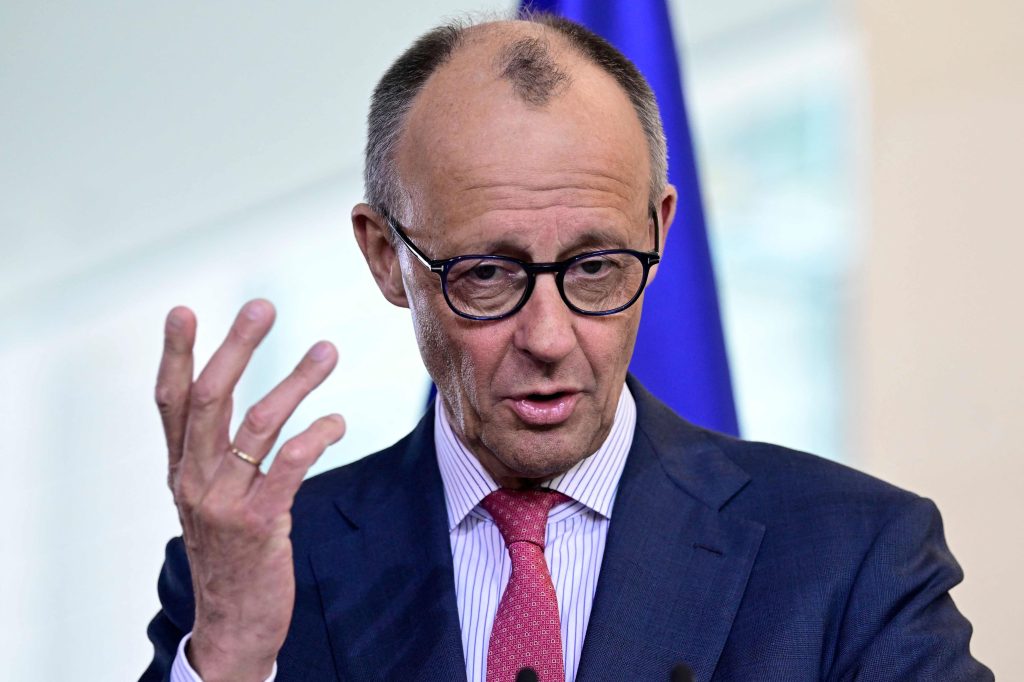
In the complex theater of 2026 global politics, the relationship between Berlin and Washington has rarely been more scrutinized. German Chancellor Friedrich Merz, navigating a delicate diplomatic landscape, has recently moved to recalibrate his administration’s stance toward the United States. Following a period of heightened friction regarding the Iran conflict and subsequent retaliatory rhetoric from the White House, Merz has delivered a clear, decisive message: the United States remains Germany’s most indispensable ally.
As both nations grapple with shifting geopolitical realities—ranging from European security to the volatile situation in the Middle East—the Chancellor’s commitment to maintaining a robust transatlantic bridge is more than just political theater; it is a strategic necessity.
The Diplomatic Pivot: De-escalating the Iran Dispute
The recent cooling of relations was sparked by Chancellor Merz’s candid, and perhaps overly blunt, critique of U.S. strategy concerning Iran. During a school visit last month, Merz characterized the American approach as “strategy-less,” suggesting that the U.S. had been “humiliated” by Tehran’s recent maneuvers.
Predictably, the response from Washington was swift and sharp. President Donald Trump, known for his direct communication style, advised the Chancellor to focus on domestic German issues—specifically immigration and energy policy—while simultaneously signaling a potential reduction of U.S. troops in Germany and threatening increased tariffs on EU-manufactured vehicles. This exchange sent shockwaves through European markets and defense circles, raising fears of a permanent fissure in the NATO alliance.
However, in his recent interview with the German broadcaster ARD, Merz sought to close this chapter. By acknowledging that “the U.S. president may hold differing views,” Merz is adopting a pragmatic approach. He is signaling that while policy disagreements are inevitable, they should not be allowed to erode the foundational pillar of German security: the transatlantic partnership.
NATO and the Reality of Strategic Reliance
At the heart of the current tension is the future of NATO and Germany’s military posture. As Germany accelerates its remilitarization efforts in response to regional instability, the presence of U.S. forces remains a central component of the European defense architecture.
Why the U.S. Remains Irreplaceable
Intelligence Sharing: The depth of the U.S.-Germany intelligence apparatus is vital for monitoring regional threats.
Military Infrastructure: The U.S. troop presence in Germany serves as a logistical backbone for NATO operations across the continent.
- Economic Interdependence: Despite trade disputes and tariff threats, the transatlantic economy remains the largest in the world.
Merz’s recent statements emphasize that he is “not giving up on working with Trump.” This indicates a shift from reactive criticism to proactive diplomacy. By reframing the U.S.-Germany relationship as a “common goal” regarding the containment of nuclear proliferation in Iran, Merz is attempting to steer the conversation away from personality clashes and back toward shared national security interests.
Addressing the “Troop Reduction” Narrative
One of the most concerning aspects of the recent rift was the speculation regarding U.S. troop drawdowns. Critics have often linked these potential cuts directly to the diplomatic friction between Merz and the White House.
However, the Chancellor has been quick to debunk this narrative. In his recent remarks, Merz clarified that the announcements regarding troop numbers are not new, nor are they a form of geopolitical retribution. By downplaying the connection between his comments on Iran and the status of U.S. military bases, Merz is effectively trying to stabilize the domestic political atmosphere in Berlin, where concerns over national sovereignty and security are currently at an all-time high.
Strategic Realignment: Looking Ahead to 2026
The challenge for the Merz administration is to balance Germany’s need for strategic autonomy with its reliance on American military might. Foreign Minister Johan Wadephul has been instrumental in this effort, working behind the scenes to maintain open lines of communication.
The focus now is on two primary fronts:
- Resuming Maritime Security: Germany is actively pushing for the restoration of safety and freedom of navigation in the Hormuz Strait, aligning its goals with broader U.S. objectives.
- Nuclear Non-Proliferation: Both Berlin and Washington remain firmly committed to the goal of preventing Iran from acquiring nuclear capabilities, a shared objective that serves as a powerful anchor for the bilateral relationship.
The Path Forward: Pragmatism Over Rhetoric
As we move deeper into 2026, it is clear that the “Merz-Trump” era of diplomacy will be defined by its resilience rather than its harmony. The Chancellor’s ability to pivot from public criticism to a reaffirmation of the alliance demonstrates a high level of political maturity. He understands that in an increasingly multipolar world, Germany cannot afford to be isolated from its oldest and most powerful partner.
The rhetoric of the past month may have caused temporary friction, but the strategic necessity of the U.S.-Germany alliance remains unchanged. By focusing on shared threats and mutual economic interests, Merz is ensuring that the transatlantic bond survives the pressures of the current geopolitical climate.
Conclusion
Chancellor Friedrich Merz’s recent efforts to de-escalate tensions and reaffirm the U.S. as Germany’s top ally mark a pivotal moment in his chancellorship. While public spats and policy disagreements will likely continue to surface in the dynamic landscape of 2026, the underlying commitment to a unified NATO front remains the bedrock of German foreign policy. By prioritizing long-term stability over short-term political posturing, Merz is positioning Germany to navigate the complexities of the global stage with its most important partnership intact.