Escalation at Sea: US Forces Neutralize Iranian Threats to Secure Strait of Hormuz

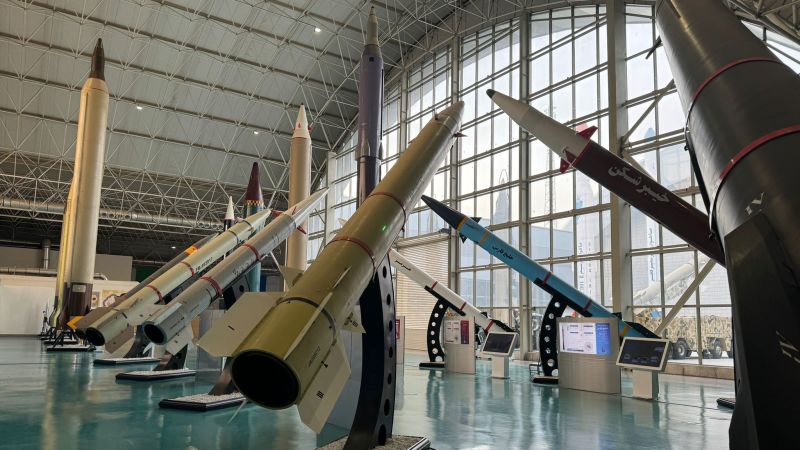
The geopolitical landscape in the Middle East has reached a critical flashpoint in 2026. In a decisive show of force, the United States military has successfully countered a series of aggressive maneuvers by the Islamic Revolutionary Guard Corps (IRGC) in the Strait of Hormuz. According to U.S. Central Command, American forces destroyed six Iranian small boats and intercepted a barrage of cruise missiles and drones aimed at commercial and naval vessels.
This engagement marks a significant escalation in the ongoing maritime security operations led by the U.S. to ensure the free flow of global trade. As tensions remain high, the international community is closely watching how these developments will impact regional stability and the future of commercial shipping in one of the world’s most vital maritime chokepoints.
The Strategic Importance of the Strait of Hormuz
The Strait of Hormuz remains the world’s most important oil chokepoint, with roughly one-fifth of the world’s petroleum consumption passing through its narrow waters. Any disruption in this area has immediate, global consequences for energy prices and economic stability.
The U.S. military’s current operation, aimed at maintaining the integrity of these lanes, is a massive undertaking. Admiral Brad Cooper, the head of Central Command, confirmed that the operation involves a robust force of 15,000 U.S. troops, dozens of naval destroyers, and over 100 aircraft. By deploying a multi-layered defensive package, the U.S. is attempting to move beyond traditional “one-on-one” ship escorts, utilizing a sophisticated network of electronic warfare and localized air defense systems to neutralize threats before they can reach their targets.
IRGC Aggression and the U.S. Defensive Response
The recent confrontation highlights the persistent efforts of the IRGC to interfere with maritime traffic. Despite previous diplomatic efforts and a ceasefire that began on April 8, the situation in the Persian Gulf has proven volatile.
Neutralizing the Threat
The U.S. response was described by military officials as a “clinical application of defensive munitions.” By successfully intercepting cruise missiles and drones, the U.S. demonstrated a high degree of technological readiness. The destruction of the six Iranian small boats—which are frequently used by the IRGC for “swarm” tactics—underscores the U.S. commitment to maintaining operational freedom in international waters.
A Multi-Layered Defense Strategy
Unlike traditional escort missions, which are often reactive, the current U.S. maritime strategy employs a “broader defensive package.” This includes:
Integrated Air and Missile Defense (IAMD): Utilizing land- and sea-based sensors to track and destroy incoming projectiles.
Electronic Warfare (EW): Disrupting the guidance systems of Iranian drones and cruise missiles.
Undersea Assets: Monitoring for subsurface threats to ensure the safety of the fleet.
Aerial Surveillance: Constant coverage from over 100 aircraft to provide real-time situational awareness.
Analyzing the 2026 Geopolitical Climate
The decision by the U.S. to enforce a blockade that effectively limits ships from entering or departing Iranian territory is a bold, high-stakes move. Admiral Cooper noted that this blockade is currently exceeding expectations, exerting significant pressure on Tehran.
This development suggests that the U.S. is moving toward a more assertive posture in the region under President Donald Trump’s administration. By refusing to confirm the viability of the April 8 ceasefire, the U.S. military is signaling that it will prioritize the security of commercial shipping lanes above previous diplomatic constraints. The message to the IRGC is clear: stay clear of U.S. assets, or face the full force of a modern naval defensive apparatus.
The Future of Maritime Security in the Middle East
As we move deeper into 2026, the risk of miscalculation remains high. The IRGC’s reliance on asymmetrical warfare—such as small boat swarms and low-cost drone strikes—is being met with high-end military technology. However, the sheer volume of assets required to maintain this “defensive bubble” is significant.
Key Considerations for Global Markets
- Energy Price Volatility: Any sustained conflict in the Strait of Hormuz will continue to cause ripples in global oil markets.
- Military Escalation: The U.S. has made it clear that commanders on the scene possess the authority to defend their units proactively. This reduces the time for diplomatic de-escalation during an active engagement.
- Regional Alliances: The U.S. strategy involves not just force, but the creation of a secure environment that encourages international maritime trade to continue despite the threats.
Conclusion
The destruction of Iranian small boats and the interception of missiles serve as a stark reminder of the fragile peace in the Persian Gulf. By deploying a massive, multi-layered defensive network, the U.S. is signaling a departure from reactive security to a more dominant presence. While this approach has successfully secured commercial traffic for now, the underlying tensions with the IRGC ensure that the Strait of Hormuz will remain the primary theater for geopolitical competition for the foreseeable future.
For the international shipping community, the presence of U.S. naval assets offers a degree of protection, but it also creates a high-pressure environment where any single mistake could lead to a broader, more uncontrollable conflict. As the U.S. continues to enforce its maritime policy, the world waits to see if Iran will alter its tactics or if the cycle of confrontation will intensify.