Watch Live: Pentagon Addresses Strait of Hormuz Escalation as Iran War Ceasefire Hangs in the Balance

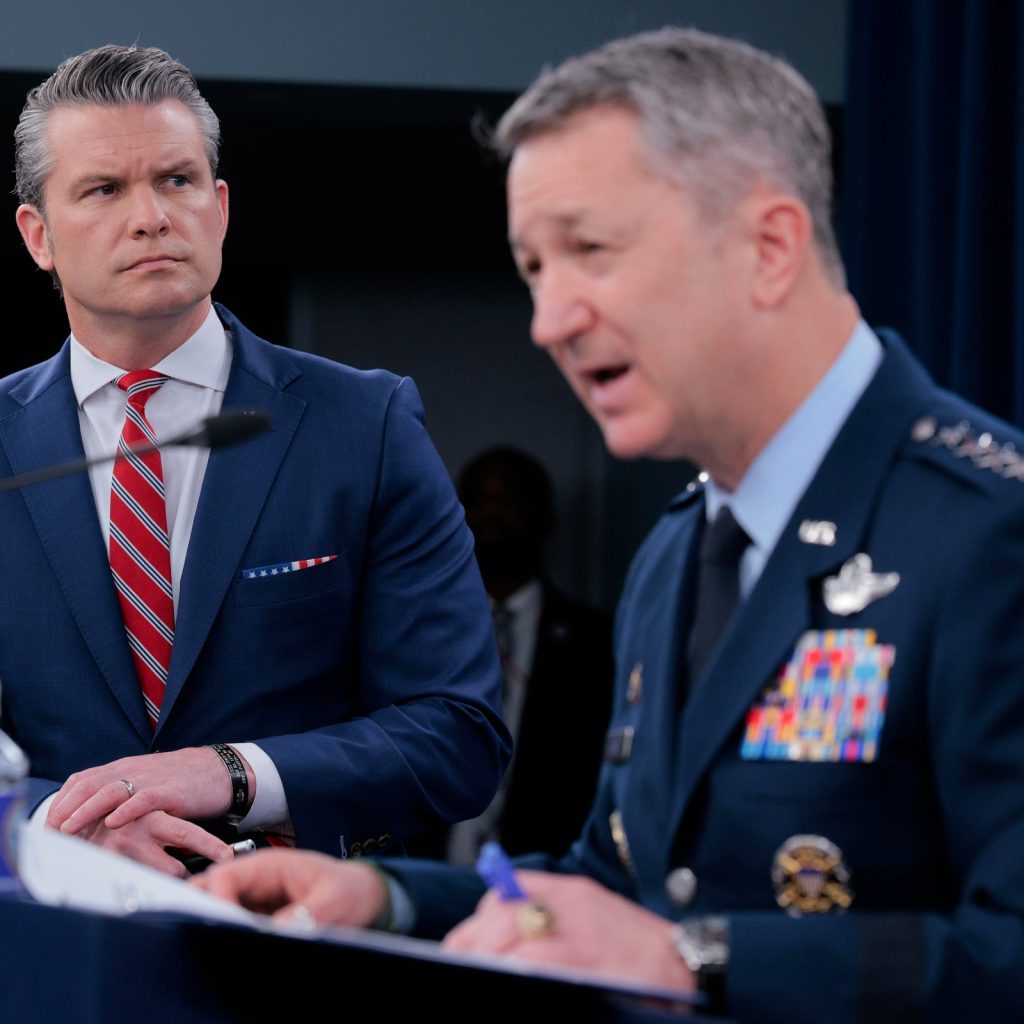
The geopolitical stability of the Middle East is once again on a knife’s edge as the United States and Iran navigate a volatile period of military posturing. On Tuesday, May 5, 2026, Defense Secretary Pete Hegseth and Joint Chiefs Chairman Gen. Dan Caine held a critical press conference at the Pentagon to address the rapidly deteriorating situation in the Strait of Hormuz. Following a day of intense naval skirmishes, the world is watching closely to see if the fragile ceasefire established last month can hold under the weight of renewed hostilities.
The Strait of Hormuz: A Global Economic Chokepoint
The Strait of Hormuz is arguably the most significant maritime artery in the world, responsible for transporting roughly 20% of global oil supplies. Since the onset of the current conflict in late February 2026, the waterway has been largely paralyzed, causing ripples of economic anxiety throughout international markets.
During Monday’s transit, U.S. Navy destroyers were forced to engage in a complex defensive operation to protect two commercial vessels. According to reports, the U.S. fleet faced a sustained barrage of Iranian missiles, suicide attack drones, and swarms of small, aggressive boats. The successful navigation of these ships, part of President Trump’s “Project Freedom” initiative, underscores the U.S. military’s commitment to maintaining open maritime lanes despite direct Iranian interference.
Pentagon’s Stance: “Project Freedom” vs. “Operation Epic Fury”
During the briefing, Secretary Hegseth drew a sharp distinction between the ongoing military operations in the region. He emphasized that “Project Freedom”—the mission tasked with escorting commercial shipping—is a temporary, necessary measure.
“Iran cannot be allowed to block innocent countries and their goods from an international waterway,” Hegseth stated firmly. He clarified that this initiative is separate from “Operation Epic Fury,” the broader scope of the U.S. military response to the current war.
General Caine provided further insight into the scale of the commitment, noting that 15,000 American service members are currently deployed to facilitate these missions. The defensive posture includes a sophisticated integration of:
Guided missile destroyers capable of intercepting incoming ballistic threats.
100 attack aircraft providing air superiority.
- Unmanned aerial systems (drones) synchronized by the 82nd Airborne Division to detect and neutralize threats before they reach commercial targets.
The Escalation: Fact vs. Fiction
The incident on Monday has sparked a war of narratives. While U.S. Central Command confirmed that the Navy destroyed six Iranian boats that attempted to interfere with the convoy, President Trump later cited the figure as seven.
Conversely, Iran’s state-run IRNA news agency has flatly rejected these claims, asserting that no Iranian vessels were damaged or sunk. This discrepancy highlights the “fog of war” that has characterized the conflict since its inception. Furthermore, the situation was exacerbated by reports that Iran fired upon targets within the United Arab Emirates, including a tanker operated by the Abu Dhabi state energy company, signaling that the conflict is rapidly expanding beyond the immediate vicinity of the Strait.
The Threat of a Wider Conflict
The rhetoric from the highest levels of government has reached a fever pitch. President Trump’s recent warnings to Fox News—suggesting that Iran would be “blown off the face of the Earth” if they continued to obstruct the waterway—have left little room for diplomatic ambiguity.
From the Iranian perspective, Foreign Minister Abbas Araghchi has warned that military force is not the solution to the ongoing regional crisis. He cautioned the U.S. and its regional allies to avoid being “dragged back into a quagmire by ill-wishers.” This warning serves as a reminder that both sides are walking a tightrope between necessary deterrence and an all-out regional war.
Can the Ceasefire Survive?
The current ceasefire, which President Trump extended indefinitely last month, is under unprecedented pressure. While Minister Araghchi claims that negotiations are “making progress,” the reality on the ground—missiles flying, boats sinking, and warships on high alert—tells a different story.
Secretary Hegseth’s briefing served as both a warning to Tehran and a reassurance to the global community. By framing the protection of the Strait as a matter of global necessity rather than just a U.S. interest, the Pentagon is attempting to consolidate international support for the “Project Freedom” initiative. However, as the U.S. continues to escalate its defensive measures, the risk of a miscalculation or a retaliatory strike that could shatter the ceasefire remains high.
Analysis: The Strategic Impasse
The conflict in 2026 has evolved into a war of attrition. For the U.S., the primary objective is maintaining the flow of commerce to prevent a global energy crisis. For Iran, the strategy appears to be one of “asymmetric pressure,” using drones, missiles, and fast-attack boats to force the U.S. into a diplomatic concession or a costly military retreat.
The integration of the 82nd Airborne Division with naval assets represents a new level of synchronization in U.S. Middle East strategy. By utilizing drones and advanced destroyers in a coordinated effort, the U.S. is signaling that it is prepared for a long-term presence in the Strait, regardless of Iranian threats to target U.S. forces.
Conclusion: What to Expect Next
As the situation continues to develop, the Pentagon’s press conferences will remain the primary source of truth for the international community. The coming days will likely determine whether the “Project Freedom” escorts can continue without further incident, or if the Strait of Hormuz will become the epicenter of a renewed, more intense phase of the Iran war.
For now, the world remains in a state of watchful waiting. With 15,000 troops on the ground and the threat of total conflict looming, the diplomatic path forward appears narrower than ever. The question remains: will both sides choose the path of de-escalation, or has the “quagmire” that the Iranian Foreign Minister warned about already begun?