The Changing Flavor of Bangkok: Can the City’s Street Food Soul Survive Modernization?

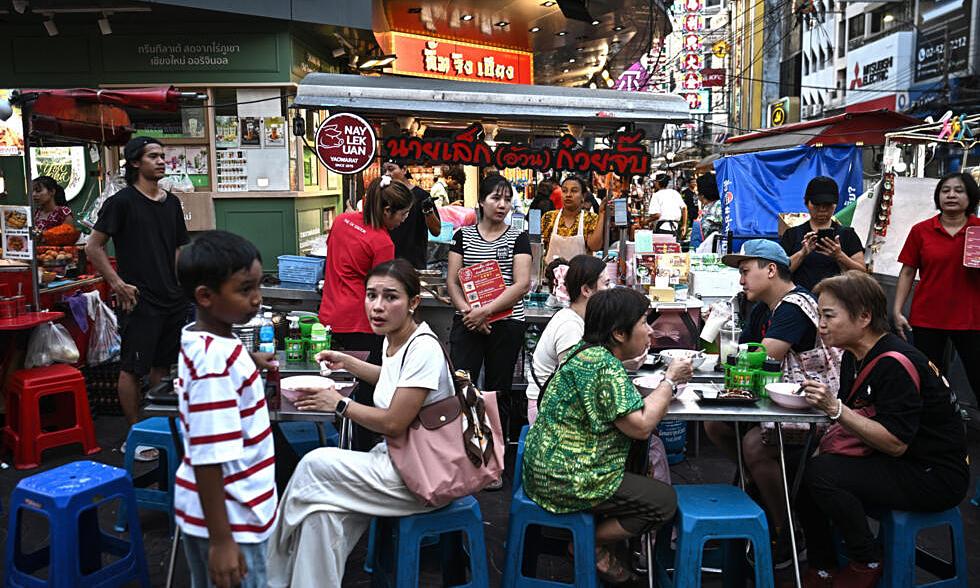
For decades, the sensory tapestry of Bangkok—the swirling aroma of charred satay, the sharp sting of bird’s-eye chili, and the rhythmic clatter of metal spatulas against seasoned woks—has defined the Thai capital. As of 2026, Bangkok proudly holds the title of the second-best food destination in Asia, trailing only Hong Kong in the prestigious Tripadvisor Travelers’ Choice Awards. Yet, beneath the neon lights and the bustling crowds, a quiet crisis is unfolding. The very vendors who built this culinary reputation are facing a new reality: government-mandated curbs that are pushing their iconic street-side staples into the shadows.
The Great Sidewalk Squeeze: Why Bangkok is Changing
The Bangkok Metropolitan Administration (BMA) is currently engaged in a massive urban restructuring project. The goal is simple on paper: improve pedestrian accessibility, enhance sanitation, and create a more orderly urban environment. However, for the thousands of vendors who operate on the frontlines of the city’s economy, these “improvements” feel like an existential threat.
Since 2022, the number of mobile street vendors in Bangkok has plummeted by over 60%. With approximately 10,000 fewer stalls gracing the sidewalks, the city’s landscape is fundamentally shifting. For tourists and locals alike, the loss of these curbside “open-air kitchens” represents more than just a reduction in dining options; it is a direct blow to the city’s cultural identity.
The Human Cost of Urban Order
The struggle is deeply personal. For vendors like Looknam Sinwirakit, who has spent years serving fried glutinous rice cakes in Chinatown, the streets are not just a place of business—they are a lifeline. Fines for “obstructing the street” are becoming a regular overhead cost, forcing many to choose between feeding their families or operating legally in a city where moving to a designated, regulated zone is often financially impossible.
The fear among the older generation of hawkers is palpable. Many have spent decades perfecting their craft in specific corners, building a loyal base of regulars who know exactly where to find the best Pad Thai or grilled squid. Being forced into a centralized, government-run hawker center isn’t just a change of address; it is a disruption of a legacy.
The Singaporean Model: A Solution or a Sanitized Substitute?
The BMA has increasingly looked toward the Singaporean hawker center model as the blueprint for Bangkok’s future. By grouping vendors into designated, purpose-built hubs, the city hopes to replicate the cleanliness and convenience of Singapore’s legendary food courts.
Pros and Cons of Relocation
While some vendors, like those now operating near Lumphini Park, acknowledge the benefits—such as access to running water, electricity, and protection from the sweltering heat—the transition is not universally celebrated.
The Benefits:
Improved Hygiene: Standardized waste management and cleaner cooking environments.
Better Working Conditions: Protection from the elements and more stable infrastructure.
Organized Tourism: Easier for visitors to locate diverse food options in one central hub.
The Drawbacks:
Loss of Spontaneity: Street food is defined by its accessibility; moving it into a structured building often kills the “grab-and-go” culture.
Increased Overhead: Even with subsidized rent (like the 60-baht-per-day rate at the Lumphini hub), vendors lose the foot traffic that came for free on the street corner.
Cultural Dilution: The grit and chaos of the sidewalk are what made Bangkok famous; removing them risks turning a vibrant city into a sanitized version of itself.
Can Bangkok Balance Progress and Tradition?
The tension between modern urban planning and the preservation of Bangkok’s street food culture is a dilemma shared by many rapidly developing Asian capitals. While the BMA claims they are not closing businesses overnight—offering months of notice and clear communication—the reality is that many small-scale operators simply lack the capital or the agility to pivot to a new business model.
The Economic Ripple Effect
We must consider the economic impact beyond the vendors themselves. Street food is an affordable caloric source for the city’s working class. When vendors are forced to pay higher rents in designated hubs, that cost is inevitably passed down to the consumer. If the price of a bowl of noodles rises too high, the city loses one of its most egalitarian features: the ability for everyone, regardless of income, to enjoy world-class cuisine.
Furthermore, tourism is the lifeblood of Thailand. Travelers from across the globe flock to Bangkok specifically for the street food experience. If the city becomes too “orderly,” it risks losing the very charm that earned it the #2 ranking on the Tripadvisor Travelers’ Choice Awards list.
Looking Ahead: The Future of the Bangkok Street Stall
As we move further into 2026, the path forward remains uncertain. The BMA has indicated that areas with high tourist foot traffic may retain more flexibility, acknowledging that the “chaotic” nature of the streets is, in fact, a major tourist draw. However, the long-term trend is clearly leaning toward formalization.
To survive, the city needs a balanced approach:
- Micro-zoning: Allow street stalls to remain in designated “food zones” that retain the open-air vibe rather than forcing them into enclosed, sterile buildings.
- Support Systems: Provide micro-grants or low-interest loans to help vendors transition to new locations without losing their livelihoods.
- Cultural Heritage Recognition: Treat street food vendors as vital cultural assets, perhaps offering them a form of “legacy status” that protects them from arbitrary evictions.
Conclusion: A City at a Culinary Crossroads
Bangkok stands at a pivotal moment. While the push for a cleaner, more efficient city is understandable, it must not come at the expense of its soul. The sizzle of the wok and the smoke of the charcoal grill are not signs of disorder; they are the rhythmic pulse of a city that has fed millions for generations.
As travelers and food enthusiasts, we must continue to support these vendors, whether they are on the sidewalk or in a new hawker center. The beauty of Bangkok’s food scene lies in its resilience. If the city can find a way to honor its history while embracing the future, it will remain the world’s favorite food destination for years to come.