Rising Tensions in the Gulf: Iran Claims Missile Strike on US Warship Amidst Strait of Hormuz Standoff

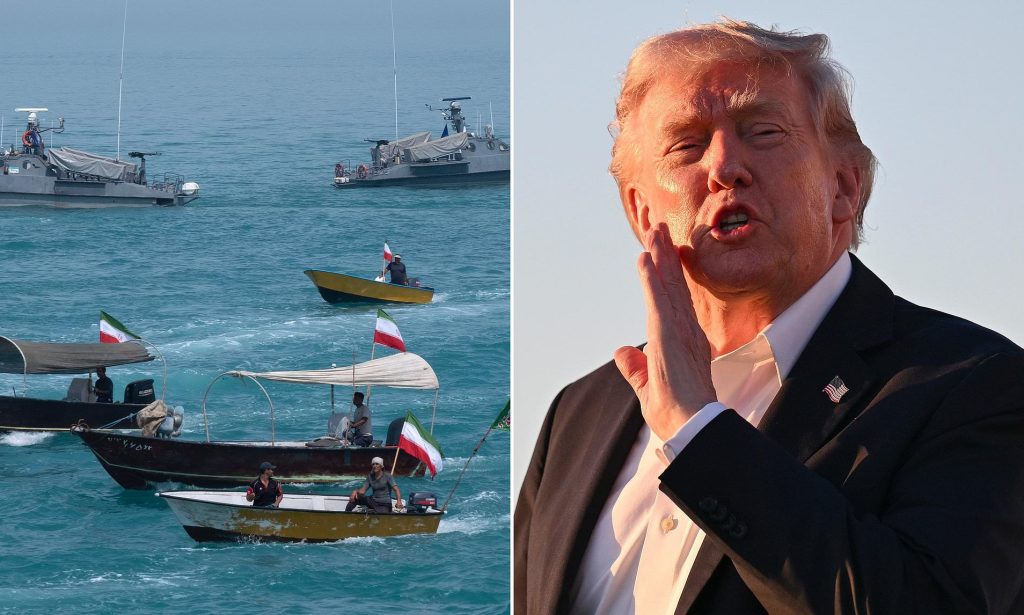
The geopolitical landscape in the Middle East has reached a volatile boiling point in 2026. As the ongoing conflict between the United States, Israel, and Iran stretches into its third month, the Strait of Hormuz—the world’s most critical oil chokepoint—has become the epicenter of a dangerous maritime showdown.
Tensions spiked dramatically this week following reports from Iranian state media claiming that two missiles had struck a US warship near Jask island. While the Pentagon and US Central Command (CENTCOM) have swiftly denied these claims, the narrative underscores the heightened risk of accidental escalation in a region already grappling with a massive naval blockade and a global energy crisis.
The Flashpoint: Missile Claims vs. Military Reality
The incident, as reported by the Fars news agency, alleges that a US Navy frigate ignored explicit warnings from the Iranian military and attempted to enter the restricted zone of the Strait. According to the report, Iranian forces responded by firing two missiles, causing the vessel to retreat.
However, a senior US official speaking to Axios and other international outlets has categorically denied that any such hit occurred. This discrepancy highlights the “information warfare” currently defining the conflict. By framing the US as an aggressor violating maritime borders, Tehran seeks to bolster its domestic narrative and project strength, while Washington aims to maintain the appearance of control over the vital waterway.
Why the Strait of Hormuz Matters
The Strait is not merely a strategic military zone; it is the jugular vein of the global economy. With nearly 20% of the world’s oil and gas supply flowing through this narrow passage, the current blockade has sent crude oil prices surging well above $100 per barrel. For the global market, the rhetoric surrounding these “missile strikes” is enough to keep volatility high and supply chains fractured.
The Trump Administration’s “Humanitarian” Strategy
President Donald Trump recently announced a new directive aimed at “guiding” stranded commercial ships and oil tankers out of the Gulf. Citing the humanitarian needs of crews who have been effectively trapped for weeks with dwindling food and medical supplies, the White House has framed this as a goodwill gesture.
“We have told these countries that we will guide their ships safely out of these restricted waterways,” Trump stated via Truth Social. However, the plan comes with an iron fist. The administration has warned that any interference with this rescue mission will be met with a “forceful” response.
Iran’s Counter-Response: A Map of Control
In response to the US initiative, Iran has taken aggressive steps to solidify its authority. The Islamic Revolutionary Guard Corps (IRGC) has issued a new, expanded map of the maritime area under its control, stretching from Qeshm Island to the UAE’s Fujairah coastline.
The Iranian military’s unified command has issued a clear ultimatum:
- Coordination is Mandatory: All commercial vessels must coordinate movement with Iranian forces.
- “Aggressive” Forces: Any foreign armed forces, particularly those of the US, will be treated as hostile targets if they attempt to enter the designated zones.
- The 30-Day Ultimatum: Iran has submitted a 14-point peace plan, demanding that the US end the war within 30 days, lift all sanctions, and withdraw its naval blockade.
The Diplomatic Impasse and Nuclear Stakes
Behind the naval posturing lies the fundamental issue of Iran’s nuclear program. Washington remains fixated on Tehran’s stockpile of over 400 kg of highly enriched uranium. While Iran maintains that its program is strictly for peaceful purposes, the US views it as a precursor to nuclear proliferation.
The diplomatic process is currently moving through a Pakistani intermediary, though progress is slow. Iranian foreign ministry spokesperson Esmaeil Baghaei recently criticized the US for its “maximalist demands,” suggesting that Washington’s habit of shifting positions is complicating any potential path to a ceasefire.
Can a Coalition Secure the Strait?
The Trump administration is actively courting international allies to form a coalition to secure the Strait. The goal is to combine diplomatic pressure with military muscle—using 15,000 personnel, over 100 aircraft, and a fleet of drones to enforce safe passage. Despite these efforts, the lack of a formal peace deal means that shipping insurance rates remain astronomical, and many commercial vessels prefer to avoid the area entirely, exacerbating the global energy squeeze.
Analysis: The Risk of Miscalculation
The claim of a missile strike, even if denied, is a symptom of a “gray zone” conflict where the line between peace and total war is paper-thin. When military forces operate in such close proximity under high-stress conditions, a single misinterpretation of radar data or a communications breakdown could lead to a massive, unintended escalation.
The fact that Pakistan recently brokered the release of 22 crew members from a seized Iranian container ship serves as a rare, albeit small, confidence-building measure. It proves that behind the threats of missile strikes and naval blockades, there is still a sliver of room for de-escalation. However, until the fundamental issues of sanctions and the regional war are addressed, the Strait of Hormuz will remain the world’s most dangerous maritime bottleneck.
Looking Ahead: What to Watch
Crude Oil Prices: Expect continued fluctuations as long as the Strait remains contested.
Diplomatic Channels: Watch for developments from the Pakistani-led mediation efforts.
- Military Posture: Monitor CENTCOM updates regarding the success of the “humanitarian” escort missions.
As the world watches the Strait of Hormuz, one thing remains clear: the intersection of energy security, nuclear diplomacy, and naval power has created a standoff that will define the international relations of 2026. Whether this ends in a negotiated settlement or a broader conflict depends on the willingness of both Washington and Tehran to move beyond the current cycle of threats and counter-threats.