Strait of Hormuz Standoff: U.S. Denies Iranian Strike Claims Amid ‘Project Freedom’ Launch

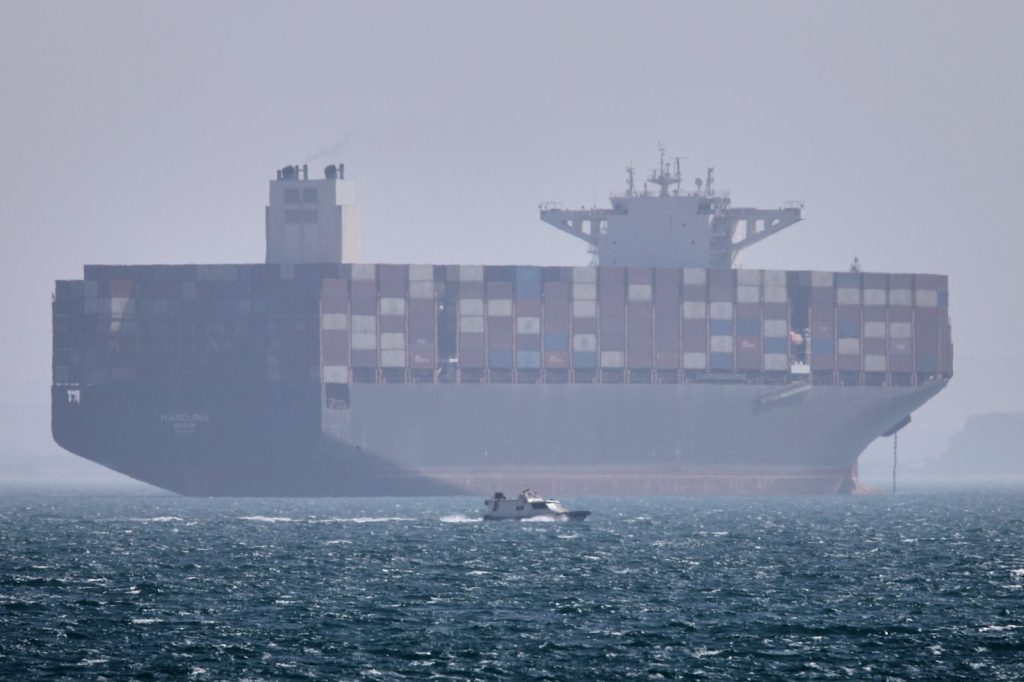
The geopolitical landscape of the Persian Gulf reached a boiling point this week, with the central narrative being that the US denies Iran struck a military vessel during new effort to reopen Strait of Hormuz, even as the United States launched a bold initiative to restore maritime commerce, only to be met with immediate pushback and conflicting reports from Tehran. As the global economy continues to grapple with the fallout of the ongoing conflict, the Strait of Hormuz—the world’s most critical oil artery—remains the primary theater of this high-stakes maritime confrontation.
The U.S. Response to Iranian Strike Allegations
On Monday, U.S. Central Command issued a definitive statement refuting claims circulating through Iranian state-run media, reinforcing that the US denies Iran struck a military vessel during new effort to reopen Strait of Hormuz. News agencies such as Fars and the Iranian Labour News Agency (ILNA) had alleged that Iranian forces successfully struck a U.S. Navy vessel near an Iranian port southeast of the Strait, claiming the ship was forced to retreat due to its violation of maritime norms.
The U.S. military swiftly countered these reports, stating unequivocally that “no U.S. Navy ships have been struck,” a firm stance as the US denies Iran struck a military vessel during new effort to reopen Strait of Hormuz. This denial serves as a critical attempt to stabilize market nerves and prevent the spread of misinformation that could further escalate the regional volatility witnessed throughout 2026.
Project Freedom: A New Maritime Security Initiative
In an effort to break the deadlock that has left hundreds of commercial vessels stranded since the start of the war, President Donald Trump announced a new strategic effort dubbed “Project Freedom.” This crucial initiative was launched amidst ongoing reports that the US denies Iran struck a military vessel during new effort to reopen Strait of Hormuz. While the specifics remain under wraps, the mission reportedly involves a massive deployment of guided-missile destroyers and over 100 aircraft, supported by 15,000 service members.
The humanitarian focus of the project is clear: the U.S. aims to provide safe passage for crews who have been effectively held hostage in the Gulf, many of whom are running critically low on food, water, and essential supplies. The Joint Maritime Information Center (JMIC) has advised shipping companies to utilize Oman’s territorial waters, designating an “enhanced security area” to mitigate the risk posed by Iranian mines and drone threats.
Tehran’s Defiant Stance and the Threat of Escalation
Iran has not taken the U.S. initiative lightly, especially in light of the fact that the US denies Iran struck a military vessel during new effort to reopen Strait of Hormuz. Describing the operation as “delirium” and a violation of the fragile three-week ceasefire, Iranian military officials have issued stark warnings. Maj. Gen. Pilot Ali Abdollahi stated on state television that any foreign military force entering the Strait of Hormuz would be targeted.
This rhetoric is backed by actions; the United Arab Emirates (UAE) recently reported that a tanker linked to its national oil company was targeted by two Iranian drones. The ongoing blockade, which has seen 49 commercial ships ordered to turn back by U.S. forces since mid-April, continues to deprive Tehran of vital oil revenue. U.S. Treasury Secretary Scott Bessent noted that while Iran has collected some transit tolls, the economic impact of the blockade is beginning to force the country toward a critical juncture where oil wells may need to be shut down.
Economic Implications and the Path to Diplomacy
The disruption of the Strait of Hormuz has sent global energy prices soaring, placing immense pressure on European and Asian markets. As the United States approaches midterm elections, the administration is under significant domestic pressure to lower gas prices. However, the path to a sustainable resolution remains narrow.
The Iranian Proposal: Tehran has presented a 14-point plan, including the total lifting of sanctions and the end of the U.S. naval blockade.
The Stalemate: Diplomatic efforts are hindered by rapidly changing demands. While Pakistan has attempted to mediate—notably facilitating the release of 22 crew members from the seized MV Touska—the core issues remain unresolved.
Shipping Industry Uncertainty: Industry groups, such as the Baltic and International Maritime Council, have expressed caution. Without formal, granular guidance from the U.S. regarding “Project Freedom,” many insurers and shipping lines remain hesitant to traverse the hazardous waters.
Future Outlook: Security or Hostility?
The situation in the Strait of Hormuz is a delicate balance of power, particularly in the wake of recent events where the US denies Iran struck a military vessel during new effort to reopen Strait of Hormuz. While the U.S. is committed to maintaining open shipping lanes, the presence of unmapped mines and the threat of asymmetric warfare from Iranian forces present significant operational risks.
The coming weeks will be decisive, especially as the US denies Iran struck a military vessel during new effort to reopen Strait of Hormuz and pushes forward with its initiatives. If the U.S. can successfully demonstrate that Project Freedom* provides a secure corridor, confidence among maritime insurers may return. However, if Iran continues to view the initiative as an act of aggression, the risk of a broader regional conflagration remains high. For now, the world watches the Strait, waiting to see if diplomacy can triumph over the escalating cycle of military posturing and economic warfare.