Escalation in the Gulf: U.S. Sinks Six Iranian Boats in Major Strait of Hormuz Clash

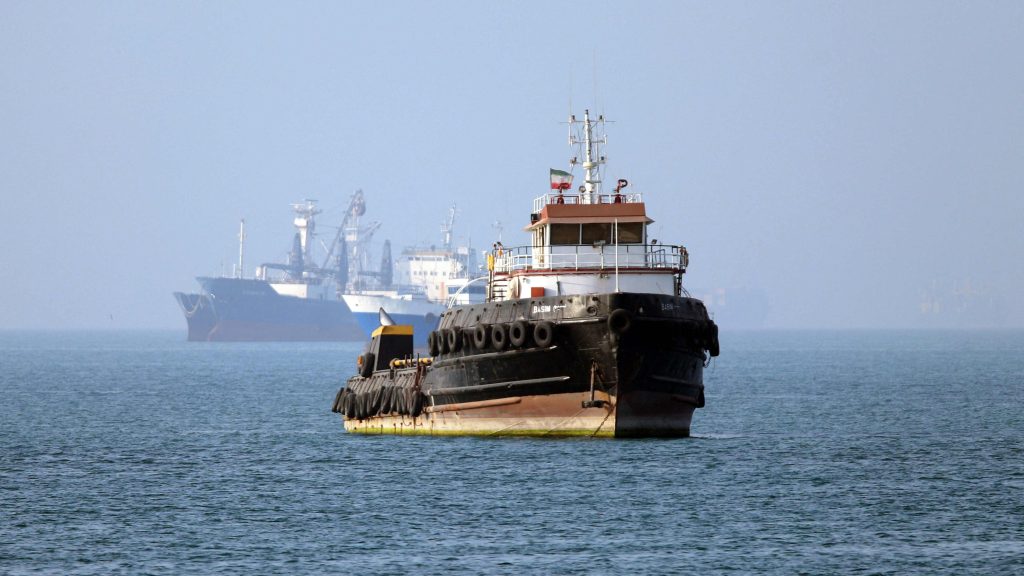
The geopolitical stability of the Middle East hit a critical inflection point this week as the delicate ceasefire between the United States and Iran appears to be disintegrating. In a high-stakes maritime operation, U.S. Central Command forces engaged and destroyed six Iranian small attack boats in the Strait of Hormuz. This violent exchange marks the most significant military confrontation since the imposition of a U.S.-led blockade on the 13th of last month, signaling that the “Project Freedom” initiative is facing immense resistance.
The Trigger: Project Freedom and the Strait of Hormuz Blockade
The Strait of Hormuz remains the world’s most vital maritime artery, responsible for a significant percentage of global oil transit. Since the U.S. implemented a strict naval blockade last month, the region has been a powder keg of tension. The latest clash occurred when the U.S. Navy launched “Project Freedom,” a strategic operation designed to facilitate the safe passage of commercial vessels trapped by the ongoing standoff.
According to U.S. Central Command Commander Brad Cooper, the engagement was a defensive response to direct provocations. As U.S. forces attempted to escort merchant vessels through the chokepoint, Iranian naval assets—specifically small, fast-attack boats—attempted to intercept the convoy. The situation escalated rapidly when Iranian forces reportedly launched cruise missiles and drones at both U.S. warships and the civilian vessels under their protection.
Military Engagement: A Multi-Domain Response
The U.S. military’s response was swift and calculated. Commander Cooper confirmed that the U.S. neutralized the threat by sinking six Iranian attack boats that were actively maneuvering to disrupt the commercial transit. The defensive operation utilized a robust array of assets:
Ballistic Missile Defense: Destroyers equipped with sophisticated interceptor systems successfully mitigated the threat from incoming Iranian cruise missiles.
Air Support: Over 100 land- and sea-based aircraft were deployed to provide air cover for the merchant ships.
Unmanned Systems: Multi-domain unmanned platforms were utilized to track and neutralize hostile targets before they could reach their objectives.
Troop Deployment: Approximately 15,000 U.S. personnel are currently involved in maintaining regional security and enforcing the maritime corridor.
Despite these reports, the Iranian government has aggressively denied the claims. State media outlets in Tehran have dismissed the U.S. account as “untrue,” suggesting that no such loss of naval assets occurred. This information war complicates the narrative, as both nations attempt to frame the confrontation in a way that serves their domestic and international interests.
Trump’s Stern Warning and the Future of the Conflict
The political ramifications of this clash were immediate. President Donald Trump addressed the incident in an interview with Fox News, delivering a stark ultimatum to the Iranian leadership. “If Iran targets U.S. vessels, we will blow them off the face of the earth,” the President stated. This rhetoric reinforces the administration’s “zero-tolerance” policy regarding the safety of shipping lanes in the Gulf.
The Wall Street Journal and other global news outlets have reported that the conflict is entering a more dangerous phase. What began as a blockade has now evolved into a series of direct, kinetic engagements. The fact that Iran reportedly targeted U.S. warships with drones and cruise missiles suggests that the Iranian military is no longer content with mere harassment and is willing to challenge U.S. naval supremacy directly.
Why the Strait of Hormuz Matters
The economic implications of this clash cannot be overstated. When the Strait is threatened, global energy markets react with volatility. The blockade, which has been in place for weeks, has already caused significant spikes in fuel prices. If “Project Freedom” fails to secure the region, or if the conflict escalates into a wider war, the resulting supply chain disruptions could trigger a global economic downturn.
Analyzing the Strategic Stalemate
The situation in 2026 presents a classic “security dilemma.” The U.S. claims to be acting as a guarantor of global commerce, while Iran views the U.S. military presence as an existential threat to its regional influence and sovereignty.
- The U.S. Perspective: The U.S. maintains that it is upholding international law by ensuring that merchant vessels can traverse international waters without being held hostage by state-sponsored blockade tactics.
- The Iranian Perspective: Iran interprets the U.S. blockade and “Project Freedom” as an act of war, arguing that their actions are a legitimate defense of their territorial waters and a pushback against Western interference.
As of today, the U.S. military reports that two U.S.-flagged vessels have successfully exited the waterway, with more scheduled to follow. However, the success of these transits remains tenuous at best. The presence of 15,000 troops and a massive naval fleet suggests that the U.S. is prepared for a prolonged standoff rather than a quick resolution.
Conclusion: A Fragile Path Forward
The sinking of six Iranian boats is a major escalation that leaves little room for diplomatic maneuvering in the short term. As both nations continue to trade accusations and engage in localized skirmishes, the risk of miscalculation grows daily. The international community is watching closely, hoping that the rhetoric from both Washington and Tehran does not translate into a full-scale regional war.
The stability of the global energy market and the lives of thousands of military personnel now depend on whether the U.S. can maintain its “Project Freedom” without triggering a direct, large-scale confrontation with the Iranian Revolutionary Guard Corps. For now, the Strait of Hormuz remains a boiling point, and the world holds its breath as the situation unfolds.