Global Energy Markets in Turmoil: Oil Futures Surge as Strait of Hormuz Crisis Intensifies

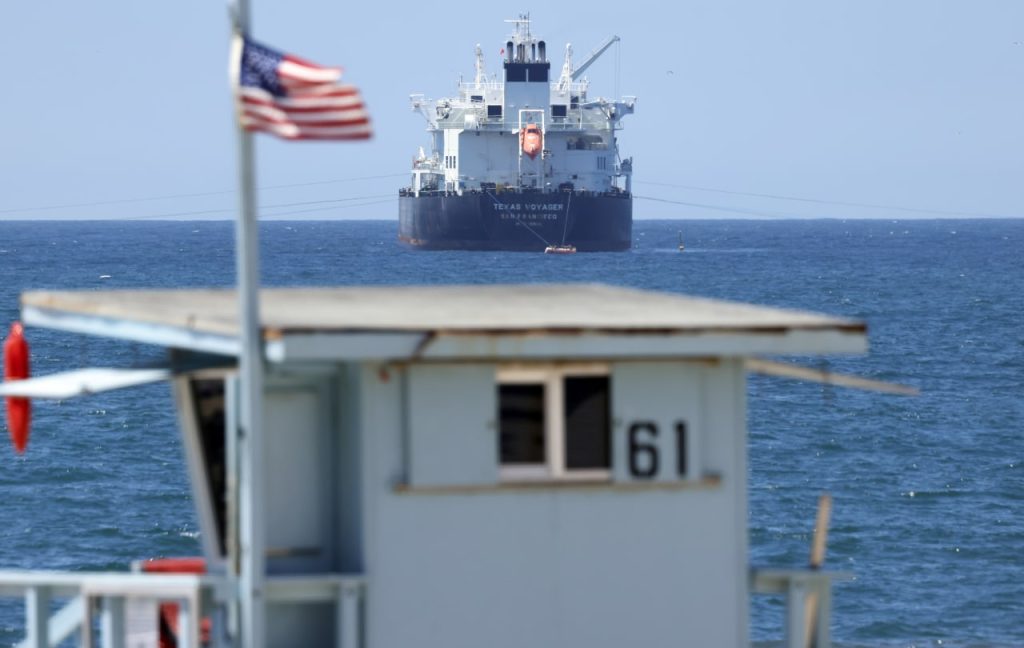
The global energy landscape is facing its most significant stress test of 2026. As geopolitical tensions in the Middle East reach a boiling point, oil markets have reacted with characteristic volatility. With reports confirming that Iran has launched missile and drone strikes against the United Arab Emirates (UAE) and commercial vessels within the critical Strait of Hormuz, the world is witnessing a dramatic shift in energy security.
For traders, investors, and policymakers, the message is clear: the era of “business as usual” in the Persian Gulf has effectively ended. As WTI and Brent crude prices climb, the market is bracing for a protracted period of supply uncertainty that could redefine global economic stability for the remainder of the year.
The Escalation: Why the Strait of Hormuz Matters
The Strait of Hormuz is not merely a waterway; it is the world’s most vital oil artery. Through this narrow passage flows roughly one-fifth of the world’s daily petroleum supply. When conflict erupts here, the impact is instantaneous and global.
Recent reports indicate that the fragile cease-fire in the region has shattered. Iran’s latest military actions—targeting infrastructure in the UAE and disrupting commercial shipping—have forced the U.S. military to launch “Project Freedom.” This initiative aims to assist stranded vessels in navigating out of the danger zone. However, the mere presence of military intervention has done little to soothe market nerves.
The Breakdown of Security
Targeted Infrastructure: Reports of drone strikes on petroleum complexes in Fujairah have highlighted the vulnerability of land-based storage and processing facilities.
Naval Blockades: The U.S. Navy’s enforcement of a blockade on Iranian ports, coupled with skirmishes involving small Iranian boats, has created a high-risk environment for any vessel attempting to transit the strait.
The “Drone Threat”: As industry experts have noted, the modern threat is asymmetric. Drones can be launched from the back of a truck, making it nearly impossible for commercial ship owners to guarantee the safety of their crews or cargo, regardless of naval protection.
Market Reaction: The Price of Geopolitical Risk
Financial markets have responded to these developments with sharp upward momentum. WTI crude has seen significant gains, settling well above the $105 mark, while Brent crude has pushed toward $115 per barrel. These figures represent a market that is aggressively pricing in an “extended closure” scenario.
Why Analysts Are Concerned
Many financial analysts, including those from major firms like Barclays and ANZ, have revised their 2026 price forecasts upward. The consensus is that even if the strait were to reopen tomorrow, the “geopolitical risk premium” embedded in the price of oil is likely to persist.
- Inventory Draws: With transit flows reduced to a trickle, global inventory draws are accelerating at an unsustainable pace.
- Supply Chain Fragility: The “just-in-time” delivery model for global energy is being dismantled. Even with U.S. efforts to guide ships out, the lack of inbound traffic means that the supply-side crunch will be felt by consumers globally.
- The $200 Scenario: In a worst-case scenario where the conflict remains unresolved through 2027, some analysts suggest that Brent crude could feasibly surge toward $200 a barrel. Such a price shock would be catastrophic for global inflation and economic growth.
Project Freedom: A Humanitarian Gesture or a Strategic Pivot?
The U.S. administration, led by President Trump, has framed the assistance of stranded vessels as a “humanitarian gesture.” The focus is on the welfare of crews who have been stuck in the Gulf with dwindling food and medical supplies. However, the market remains skeptical of the project’s ability to restore normalcy.
From an investor’s perspective, the problem is not just getting ships out; it is the total lack of confidence in sending ships in. As long as the threat of Iranian drone strikes remains, shipping insurance premiums will remain prohibitively high, effectively keeping the strait closed to the majority of commercial traffic.
The Long-Term Outlook: What to Expect in 2026 and Beyond
As we look toward the second half of 2026, the energy sector is preparing for a “new normal.” Even if a diplomatic breakthrough occurs, the structural damage to infrastructure and the permanent loss of some transit capacity mean that energy prices will remain elevated.
Key Factors to Monitor:
Diplomatic Impasse: The failure of recent U.S.-Iran negotiations suggests that both sides are dug into their positions. Without a compromise on nuclear programs and regional security, the conflict shows no sign of abating.
Strategic Stockpiles: The International Energy Agency (IEA) is currently tasked with managing coordinated stockpile releases. However, if these resources are exhausted to combat current price hikes, there will be no safety net left for future supply shocks.
Energy Transition Acceleration: Paradoxically, high oil prices often serve as a catalyst for the rapid adoption of renewable energy. If prices stay above $100 for an extended period, the economic case for transitioning away from fossil fuels will become unavoidable for many emerging economies.
Conclusion: Navigating the Storm
The current crisis in the Strait of Hormuz is a stark reminder of how interconnected and fragile the global economy remains. As Iran continues its aggressive posture and the U.S. expands its naval presence, the risk of accidental escalation is at an all-time high.
For the oil market, the path forward is one of extreme caution. Investors should expect volatility to be the defining characteristic of 2026. While the immediate focus is on the safety of vessels and the containment of the conflict, the long-term impact on global energy prices—and the subsequent pressure on the cost of living—will be the defining economic story of the year.
Stay tuned to real-time shipping monitors and geopolitical intelligence reports, as the situation in the Persian Gulf remains fluid and highly unpredictable.