Iran Seizes US-Sanctioned Oil Tanker in Sea of Oman: A 2026 Flashpoint in Global Energy Security

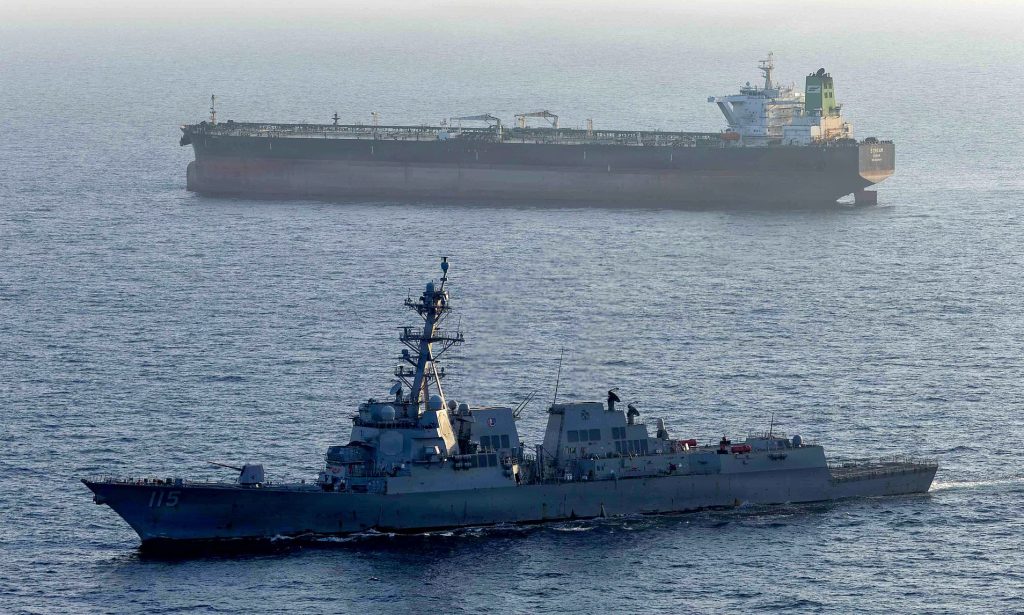
The geopolitical landscape of 2026 has been defined by rapid escalations and fragile truces. In a move that has sent shockwaves through global energy markets, Iran has seized the US-sanctioned oil tanker Ocean Koi in the Sea of Oman. This high-stakes maritime operation comes at a critical juncture, as the world watches a fragile ceasefire between Washington and Tehran teeter on the brink of total collapse.
The seizure of the Ocean Koi, a vessel previously blacklisted by the United States for its alleged involvement in the “shadow fleet” of Iranian crude transport, marks a significant escalation in the ongoing conflict that began earlier this year. As the Islamic Republic asserts its dominance over the strategic waterways of the Middle East, the international community is left grappling with the implications for global oil prices and maritime security.
The Seizure of the Ocean Koi: A “Specially Planned Operation”
On Friday, the Iranian Navy confirmed that its forces had intercepted and redirected the Ocean Koi back to Iranian territorial waters. According to official statements from Tehran, the operation was not a random act but a “specially planned mission” executed in the Sea of Oman.
The Iranian military justified the seizure by claiming the vessel was “offending” and had attempted to “damage and disrupt Iran’s oil exports.” While the specifics of these disruptions remain vague, the underlying message is clear: Tehran is no longer willing to allow sanctioned vessels to operate under the jurisdiction of Western economic pressure without a fight.
The Mystery of the Cargo
Interestingly, the Iranian army stated that the oil aboard the Ocean Koi actually belonged to the “Islamic Republic.” This suggests a complex game of maritime “cat and mouse” where vessels carry sanctioned cargo under foreign flags—in this case, Barbados—to evade US oversight. The redirection of the ship to Iran’s southern shores is seen by analysts as a “reclamation” of assets rather than a standard piracy event.
2026: A Year of Conflict and Fragile Ceasefires
To understand the weight of this seizure, one must look at the broader context of the 2026 US-Iran War. The conflict ignited on February 28, 2026, following a series of preemptive strikes by US and Israeli forces against Iranian military infrastructure. After weeks of intense kinetic exchanges, a ceasefire was brokered on April 7, 2026.
However, the “peace” has been anything but stable. The seizure of the Ocean Koi is the latest in a series of intermittent clashes that have punctuated the ceasefire.
February 28: War begins with US/Israeli airstrikes.
April 7: Fragile ceasefire announced.
May 2026: Renewed hostilities in the Strait of Hormuz and Sea of Oman.
The Strait of Hormuz Blockade
The Strait of Hormuz, a conduit for approximately 20% of the world’s liquefied natural gas (LNG) and oil, has remained virtually closed since the start of the conflict. This closure has choked global supply chains, making every tanker movement a potential trigger for military engagement.
Naval Confrontations: US Destroyers Under Fire
The seizure of the tanker did not happen in a vacuum. Just 24 hours prior, US President Donald Trump reported that three “World Class American Destroyers” came under direct fire while transiting the Strait of Hormuz.
Despite the intensity of the exchange, the US Navy reported no damage to its assets, while claiming “great damage” was inflicted upon the Iranian attackers. This skirmish highlights the extreme volatility of the region, where the line between a “ceasefire” and “active combat” has become dangerously blurred.
Tehran’s Counter-Claims
In a starkly different narrative, Iran’s top joint military command accused the US of breaching the ceasefire first. They alleged that US forces targeted an Iranian oil tanker and conducted air raids on civilian areas on Qeshm Island. According to Tehran, the seizure of the Ocean Koi and the attacks on US vessels near Chabahar were defensive responses to “American aggression.”
The UAE Under Attack: Drones and Missiles over Dubai
The tension has spilled over far beyond the coastline. The United Arab Emirates (UAE), a key US ally and host to several American military bases, has found itself in the crosshairs. Early Friday morning, residents in Dubai reported hearing massive explosions as the country’s air defense systems were activated.
The UAE Ministry of Defence confirmed it was engaging ballistic missiles, cruise missiles, and drones originating from Iran. While no significant damage was reported, the psychological impact on the regional business hub was profound.
Residents Warned to Stay Clear of Debris
The UAE government has issued strict warnings to residents, advising them not to approach or photograph any fallen debris from the interceptions. This underscores the very real danger posed by the “successful” neutralization of incoming threats over densely populated urban areas.
Economic Aftershocks: Oil Hits the $100 Mark
The immediate result of the Ocean Koi seizure and the UAE attacks was a sharp spike in energy prices. Brent crude oil rose by 4.1%, hitting the $100 per barrel mark. This volatility is a nightmare for global markets, which had recently seen a 7% dip in prices due to optimistic rumors of a permanent peace deal.
Why $100 Oil Matters in 2026
- Inflationary Pressure: High energy costs are driving up the price of goods globally.
- Supply Chain Instability: Shipping companies are facing exorbitant insurance premiums for transiting the Gulf.
- Strategic Reserves: Nations are depleting their strategic reserves to stabilize domestic prices.
The Diplomatic Struggle: The 14-Point Memorandum
While the Sea of Oman burns, diplomats are desperately trying to salvage the peace. Washington is reportedly pushing for a 14-point memorandum of understanding (MOU) with the Iranian regime. This document aims to set a framework for nuclear negotiations and a permanent end to the maritime blockade.
Obstacles to Peace
Tehran’s Skepticism: Senior members of the Iranian parliament have dismissed the MOU as a “wish list” rather than a serious proposal.
Hardline Rhetoric: President Trump’s warnings on social media—promising to “knock them out a lot harder” if the deal isn’t signed—have created a climate of mistrust.
Regional Mediators: Countries like Pakistan are attempting to convert the current ceasefire into a lasting peace, but their efforts are hampered by the daily “intermittent clashes.”
Analysis: The Rise of the “Shadow Fleet” Warfare
The seizure of the Ocean Koi shines a spotlight on a hidden aspect of modern warfare: the battle over the Shadow Fleet. For years, Iran has utilized a network of aging, often uninsured tankers to move its oil despite heavy US sanctions.
By seizing the Ocean Koi, Iran is effectively signaling that it will “police” its own shadow fleet, preventing the US from seizing these vessels or their cargo in international waters. This creates a new legal and military grey zone where traditional maritime law is secondary to the “law of the sea” dictated by the strongest naval presence in the area.
The Role of Barbados and Flag-of-Convenience Shipping
The Ocean Koi was Barbados-flagged, a common tactic for vessels looking to obscure their origin. The fact that Iran felt emboldened to seize a foreign-flagged vessel in international waters (or the Sea of Oman) suggests a total disregard for traditional maritime sovereignty in favor of national survival.
What Happens Next? Scenarios for Late 2026
As we look toward the second half of 2026, three primary scenarios emerge:
1. The “Total War” Scenario
If the UAE continues to suffer drone attacks and the US retaliates by sinking Iranian naval assets, the ceasefire will be officially declared dead. This could lead to a full-scale invasion or a prolonged aerial campaign that could keep the Strait of Hormuz closed for years.
2. The “Permanent Stalemate” Scenario
The current state of “neither war nor peace” could become the new normal. In this scenario, oil prices fluctuate wildly between $90 and $120, and the Sea of Oman remains a dangerous “no-go zone” for unescorted commercial shipping.
3. The “Diplomatic Breakthrough”
Against all odds, the 14-point MOU is signed. This would require significant concessions from both sides: the US lifting major sanctions and Iran halting its regional drone strikes and maritime seizures.
Conclusion: A World on Edge
The seizure of the Ocean Koi is more than just a headline; it is a symptom of a world where energy security is being held hostage by geopolitical maneuvering. As the Iranian Navy redirects the tanker to its shores, the message to the West is clear: the “Maximum Pressure” campaign is being met with “Maximum Resistance.”
For the global economy, the stakes could not be higher. With oil hovering at $100 and the UAE’s air defenses on high alert, the “breaking news” of today may well be the “history book” chapter of tomorrow. The world remains in a state of anxious anticipation, waiting to see if the next move in the Sea of Oman will lead to a signed deal or a catastrophic escalation.