Strategic Shift: How the U.S. Troop Drawdown in Germany is Reshaping European Security

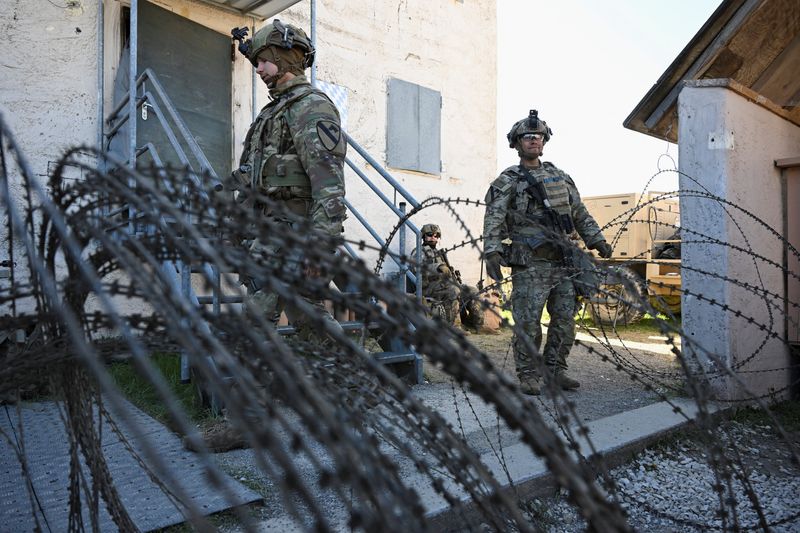
The geopolitical landscape of 2026 is undergoing a seismic shift. Following the Pentagon’s announcement regarding the withdrawal of 5,000 U.S. troops from Germany, the transatlantic alliance finds itself at a critical crossroads. As Washington pivots its military posture amidst ongoing tensions regarding trade tariffs and conflicting stances on the Iran war, European leaders are being forced to confront a sobering reality: the era of guaranteed American security dominance in Europe is evolving.
While German Defence Minister Boris Pistorius has framed this move as a long-awaited catalyst for European strategic autonomy, the decision has ignited a firestorm of debate in Washington. With top Republican lawmakers expressing deep alarm, the move highlights a growing friction between the White House’s “America First” military doctrine and the established defense requirements of the NATO eastern flank.
The Magnitude of the Pentagon’s Decision
The planned drawdown, expected to unfold over the next 6 to 12 months, represents more than just a reduction in headcount. It is a fundamental alteration of the military architecture that has defined European stability since the aftermath of World War II.
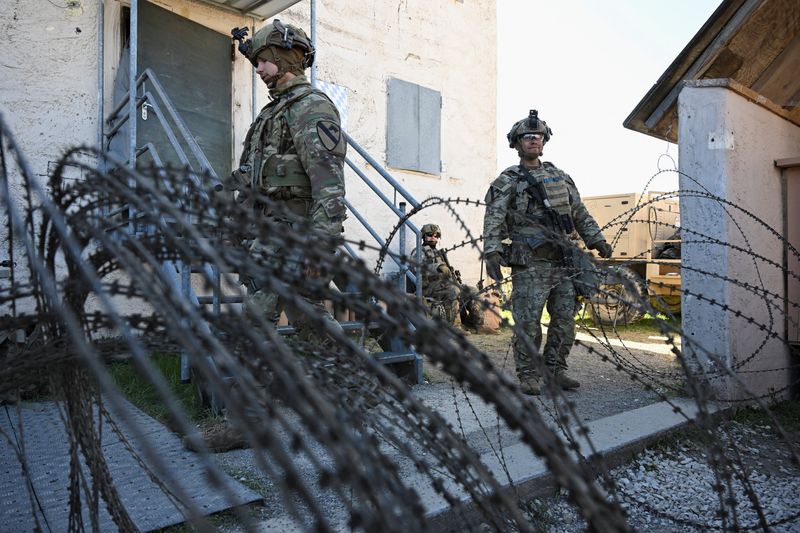
The U.S. military presence in Germany—which currently stands at roughly 40,000 personnel—has long been the backbone of NATO’s deterrence strategy. By removing 5,000 troops and cancelling the deployment of a critical long-range fires battalion, the U.S. is effectively signaling a withdrawal from the front lines of conventional deterrence.
Why the “Long-Range Fires” Cancellation Matters
Perhaps more significant than the troop count is the cancellation of the long-range missile battalion. Military analysts argue that the U.S. maintains a “factual monopoly” on these capabilities within the alliance. Without these assets, Europe is left with a significant capability gap that cannot be bridged overnight. As Christian Moelling of the EDINA think tank noted, this move is operationally more damaging than the reduction of personnel, as it directly weakens the deterrent posture against Russian military ambitions.
Berlin’s Strategic Pivot: “Europe Must Take Responsibility”
German Defence Minister Boris Pistorius has adopted a pragmatic, if somewhat stoic, tone in response to the news. Rather than decrying the move as a betrayal, the German government is positioning this as the necessary “push” Europe needed to finally take its own defense seriously.
The Bundeswehr Expansion: Germany plans to increase its active-duty force from 185,000 to 260,000 troops.
Procurement Acceleration: Berlin is currently streamlining its military acquisition processes to replace aging hardware.
Infrastructure Investment: Significant capital is being redirected toward bolstering domestic military infrastructure that was previously reliant on U.S. support.
However, critics remain skeptical. Building a functional, cohesive European defense force is a multi-year, if not multi-decade, endeavor. As Polish Prime Minister Donald Tusk noted on social media, the danger lies not just in external threats, but in the “disintegration of our alliance.” If Europe fails to fill the vacuum left by the U.S. quickly, the deterrent signal sent to Moscow could prove disastrous.
The Republican Backlash: A Split in Washington
The decision has not been met with universal approval within the United States. High-ranking Republican lawmakers, including Senator Roger Wicker and Representative Mike Rogers, have issued a joint statement expressing grave concerns.
Their argument is rooted in traditional geopolitical strategy: deterrence requires presence. By prematurely drawing down forces, they argue that the U.S. is undermining its own credibility on the global stage.
Key Arguments from the Congressional Opposition:
- Wrong Signal to Adversaries: A reduction in presence, particularly during the ongoing conflict in Ukraine, could be interpreted by the Kremlin as a weakening of American resolve.
- Strategic Misalignment: Critics suggest that if troops must be moved, they should be redeployed to the eastern flank (Poland or the Baltics) rather than being pulled back to the U.S.
- Domestic Political Reflex: Some foreign policy officials, like Peter Beyer of the CDU, suggest the move is less about a “coherent strategy” and more a reaction to domestic political pressure and frustration over trade disputes with the EU.
Economic Tensions and the “Trade-Defense” Link
The troop drawdown is occurring in tandem with President Trump’s announcement of a 25% tariff on EU auto imports. This dual-pronged pressure—military withdrawal paired with economic protectionism—has created a climate of deep uncertainty in Berlin.
The German economy, already facing significant headwinds, stands to lose billions if the tariff plan moves forward. When combined with the reduction in military support, the message from Washington appears to be a broader restructuring of the transatlantic relationship. The U.S. is demanding that the EU pay more for its own security while simultaneously limiting the trade surplus that fuels those European economies.
Looking Ahead: The Future of NATO in 2026
As NATO works with Washington to clarify the details of the withdrawal, the alliance finds itself in a period of intense soul-searching. Can Europe effectively organize a unified defense strategy while managing internal economic rifts?
The path forward will likely involve:
Increased Defense Spending: European nations will be pressured to meet and exceed their 2% GDP targets for military budgets.
Bilateral Security Pacts: In the absence of a unified U.S. presence, we may see an increase in smaller, bilateral defense agreements between European nations, particularly those on the eastern border.
Technological Sovereignty: The cancellation of the U.S. missile battalion will likely force the EU to fast-track its own long-range strike capabilities, moving away from reliance on American tech.
Conclusion
The U.S. troop drawdown in Germany is a watershed moment for the 21st-century transatlantic alliance. While the move serves the current administration’s goals of reducing foreign entanglement and pressuring allies, it creates immediate, tangible risks for European security.
Whether this act of “tough love” will successfully catalyze a stronger, more independent Europe or lead to a dangerous fracture in the NATO alliance remains to be seen. One thing is certain: the security architecture of the Western world is changing, and both Berlin and Washington must navigate these turbulent waters with extreme caution if they are to maintain the stability of the last eighty years.