Kemi Badenoch Apologises After Bloody Sunday Footage Sparks Social Media Controversy


In the high-stakes world of digital political campaigning, a single editing error can trigger a firestorm. Conservative Party leader Kemi Badenoch has found herself at the center of a significant controversy after a social media clip, intended to highlight the party’s opposition to the government’s Northern Ireland Troubles Bill, inadvertently utilized historical footage of the Bloody Sunday massacre.
The incident, which occurred in 2026, has ignited a fierce debate regarding political accountability, the sensitivity of historical traumas, and the risks associated with modern digital content creation. As the Conservative Party attempts to navigate the complexities of legacy issues in Northern Ireland, this misstep has provided a stark reminder of how easily historical narratives can be mishandled in the pursuit of online engagement.

The Incident: What Happened?
The controversy erupted following the publication of a social media video on Kemi Badenoch’s official channels. The video was designed to critique the Labour government’s Northern Ireland Troubles Bill, which seeks to repeal and replace the legacy legislation introduced by the previous Conservative administration.
The core message of the video was that the new legislation would unfairly “drag” elderly Troubles veterans back through the courts for actions taken decades ago. However, the visual narrative took a deeply offensive turn when it incorporated archive footage of British soldiers from January 30, 1972—the day known as Bloody Sunday.
On that day, 13 unarmed civilians were shot dead by members of the Parachute Regiment in the Bogside area of Derry. By pairing this footage with a defense of veterans, the video was widely perceived as a grotesque trivialization of a tragedy that remains a deeply painful open wound for the people of Northern Ireland.
Badenoch’s Response and the ‘Young Staff’ Defense
Following immediate and intense backlash from families of the victims, political opponents, and the public, the Conservative Party removed the video on Friday. Kemi Badenoch, when pressed on the issue during a public engagement at a hair salon in south-east London, offered a direct apology.
Badenoch emphasized that she had not personally signed off on the specific edit of the video. She attributed the inclusion of the offensive clips to “very young people” on her social media team, stating, “The video was done by very young people who did not recognise the footage as being from Bloody Sunday.”
Key Points of the Apology:
Lack of Oversight: Badenoch clarified that as the leader, she does not review every piece of digital content before it goes live.
Recognition of Error: She acknowledged that the video was an “error” and confirmed its removal as soon as the party leadership was made aware of the context of the footage.
Stance on Veterans: While apologizing for the imagery, she maintained her political position, arguing that elderly veterans are being unfairly targeted by current legislation for actions taken under the authority of political leaders who are no longer in power.
Political Fallout and Public Reaction
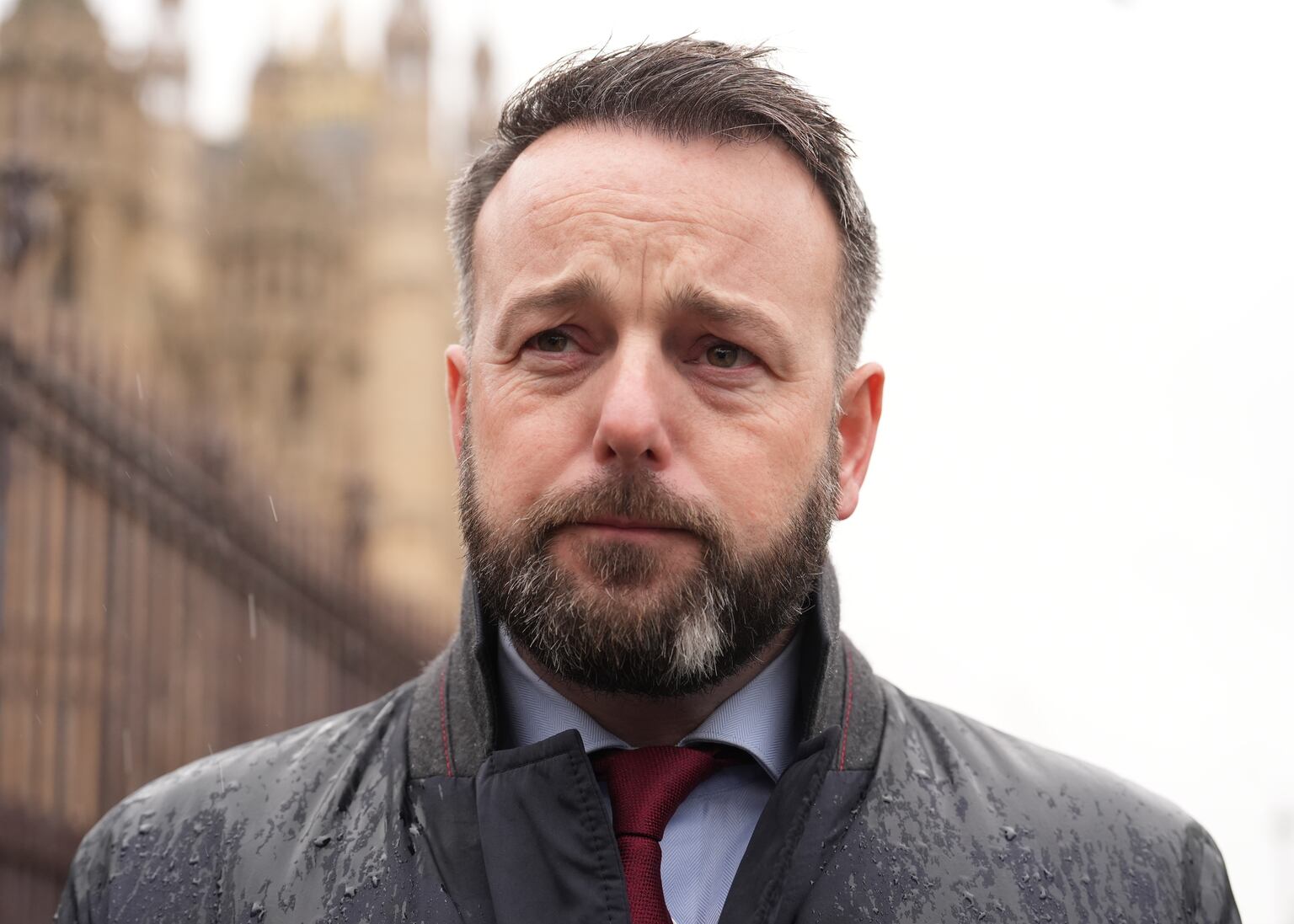
The reaction from Northern Irish politicians was swift and severe. Foyle MP Colum Eastwood expressed his profound shock, stating that it was incomprehensible for a major political party to “trumpet the service of British soldiers” using footage from an event as infamous as Bloody Sunday.
For many in Derry and across Northern Ireland, the video was not just a technical oversight; it was viewed as a “grossly insulting” act that suggested a lack of historical awareness or, worse, a disregard for the victims of the Troubles. The incident has intensified calls for political parties to exercise greater caution and historical literacy when producing content regarding the delicate legacy of the conflict.
Why Context Matters in Digital Politics
The episode highlights a growing problem in political communication: the “content-first” approach. In the rush to secure clicks, likes, and shares on platforms like X (formerly Twitter), TikTok, and Instagram, the rigorous vetting process that traditional media undergoes is often skipped.
Algorithmic Pressure: Political teams are under constant pressure to produce high-frequency, high-impact content.
Historical Literacy: This incident raises questions about whether political staffers are adequately trained in the history of the regions they are discussing.
Accountability: While Badenoch apologized, critics argue that the “young staff” defense is insufficient for a party leader, suggesting that systemic changes in content approval processes are required.
The Broader Context: The Northern Ireland Troubles Bill
To understand why this video was created, one must look at the Northern Ireland Troubles Bill. The current Labour government is attempting to move away from the immunity scheme established by the previous Conservative government. That original scheme, which aimed to provide a “statute of limitations” on prosecutions related to the Troubles, was eventually ruled unlawful by the courts.
The Conservative Party, including Badenoch, remains a staunch defender of the veterans’ interests. They argue that the current government’s approach is a form of “hounding” elderly individuals. This ideological battleground, however, is fraught with emotional landmines. Using footage of Bloody Sunday—an event that is central to the history of the conflict—in a video defending British military actions was a catastrophic tactical error that overshadowed the party’s intended policy critique.
Lessons for Future Political Campaigns
This controversy serves as a cautionary tale for political parties operating in 2026 and beyond. As social media continues to dominate the political landscape, the following lessons remain critical:
- Vetting is Non-Negotiable: Even short-form social media clips require a multi-level review process, especially when incorporating historical archives.
- Sensitivity Training: Political communication teams must possess a deep understanding of the historical and cultural nuances of the issues they promote.
- Taking Ownership: While blaming staff is a common political tactic, voters increasingly demand that leaders take full responsibility for the output of their organizations.
The apology from Kemi Badenoch and the Conservative Party was a necessary step to quell the outrage. However, the damage to the party’s reputation in Northern Ireland, and the distress caused to the families of those who died on Bloody Sunday, will likely linger long after the video has been deleted from the internet.
Conclusion
The incident involving Kemi Badenoch and the mismanaged social media clip is a stark illustration of the dangers of modern political campaigning. By failing to properly vet content regarding one of the most sensitive chapters of British and Irish history, the Conservative Party inadvertently created a PR disaster that eclipsed their legislative arguments.
As we move forward in 2026, political leaders must balance the need for rapid digital engagement with the absolute necessity of historical accuracy and empathy. This event should serve as a reminder that in the arena of public policy, especially concerning the Troubles, there is no room for error when dealing with the memories of the fallen.