Geopolitical Crossroads: President Trump Reviews New Iranian Proposal Amid Rising Tensions

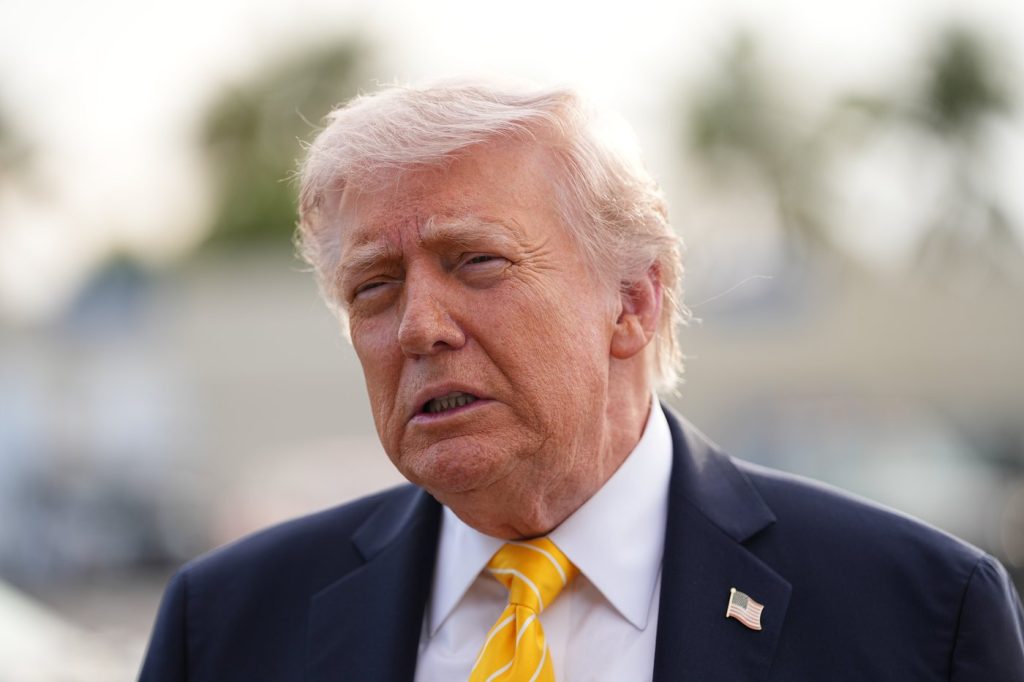
The global landscape remains in a state of high alert as 2026 progresses, with the eyes of the international community firmly fixed on the escalating standoff in the Middle East. President Donald Trump confirmed on Saturday that he is currently reviewing a new, 14-point proposal submitted by Iranian officials via diplomatic channels in Pakistan. While the existence of this proposal offers a glimmer of hope for a potential de-escalation, the path to peace remains fraught with profound skepticism and deep-seated grievances.
As both nations navigate this delicate diplomatic dance, the reality on the ground—characterized by naval blockades, humanitarian concerns, and ongoing regional skirmishes—suggests that a simple resolution is far from guaranteed.
The 14-Point Proposal: A Diplomatic Lifeline or Delaying Tactic?
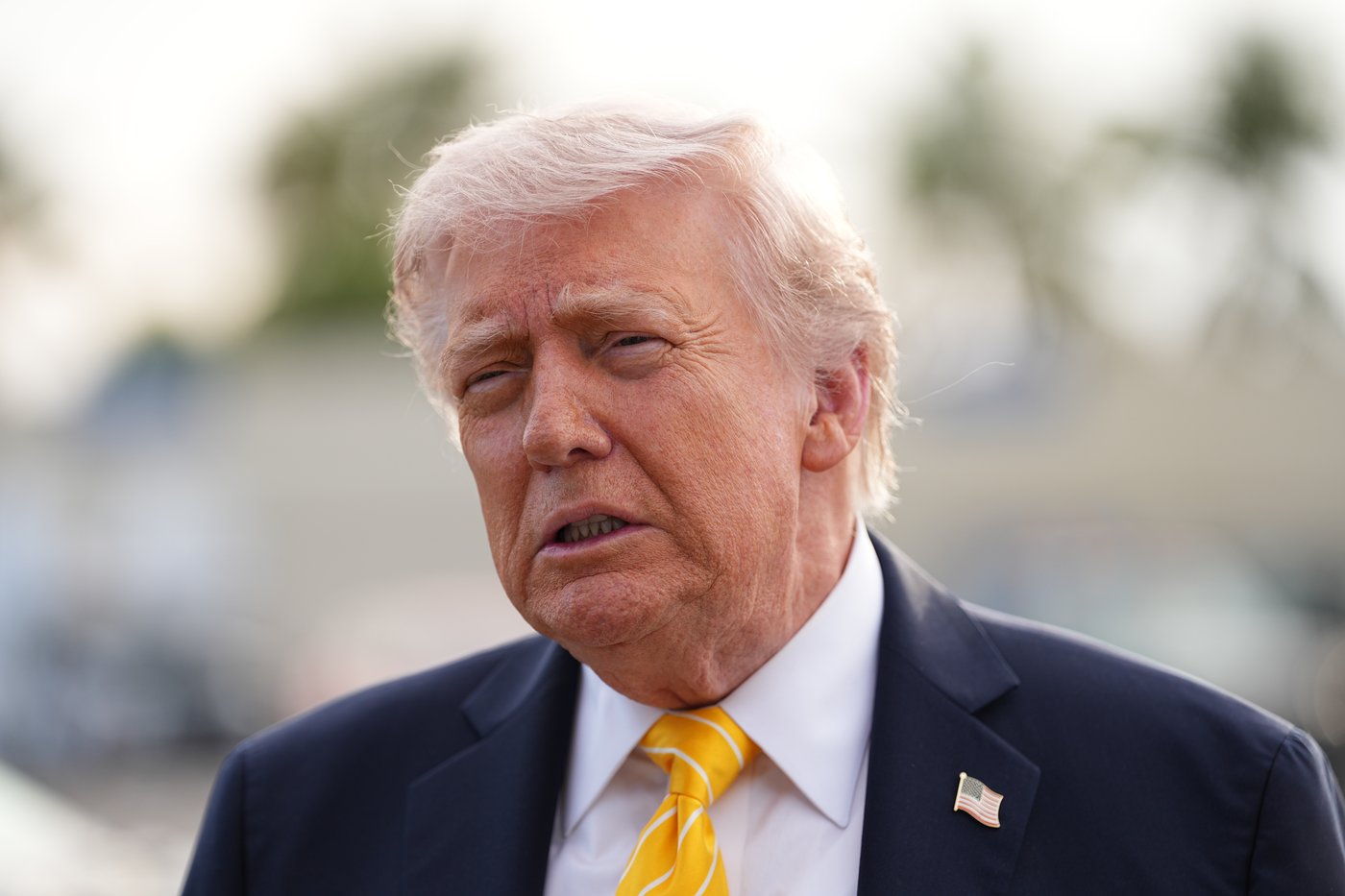
The new Iranian proposal, reportedly transmitted through Pakistani intermediaries, arrived as a direct response to a nine-point American framework. Semiofficial news outlets in Iran, including Tasnim and Fars, have highlighted the plan as a comprehensive attempt to address the current hostilities. However, the exact contents of the document remain under high-level security, with the President indicating that he is still analyzing the specific wording.
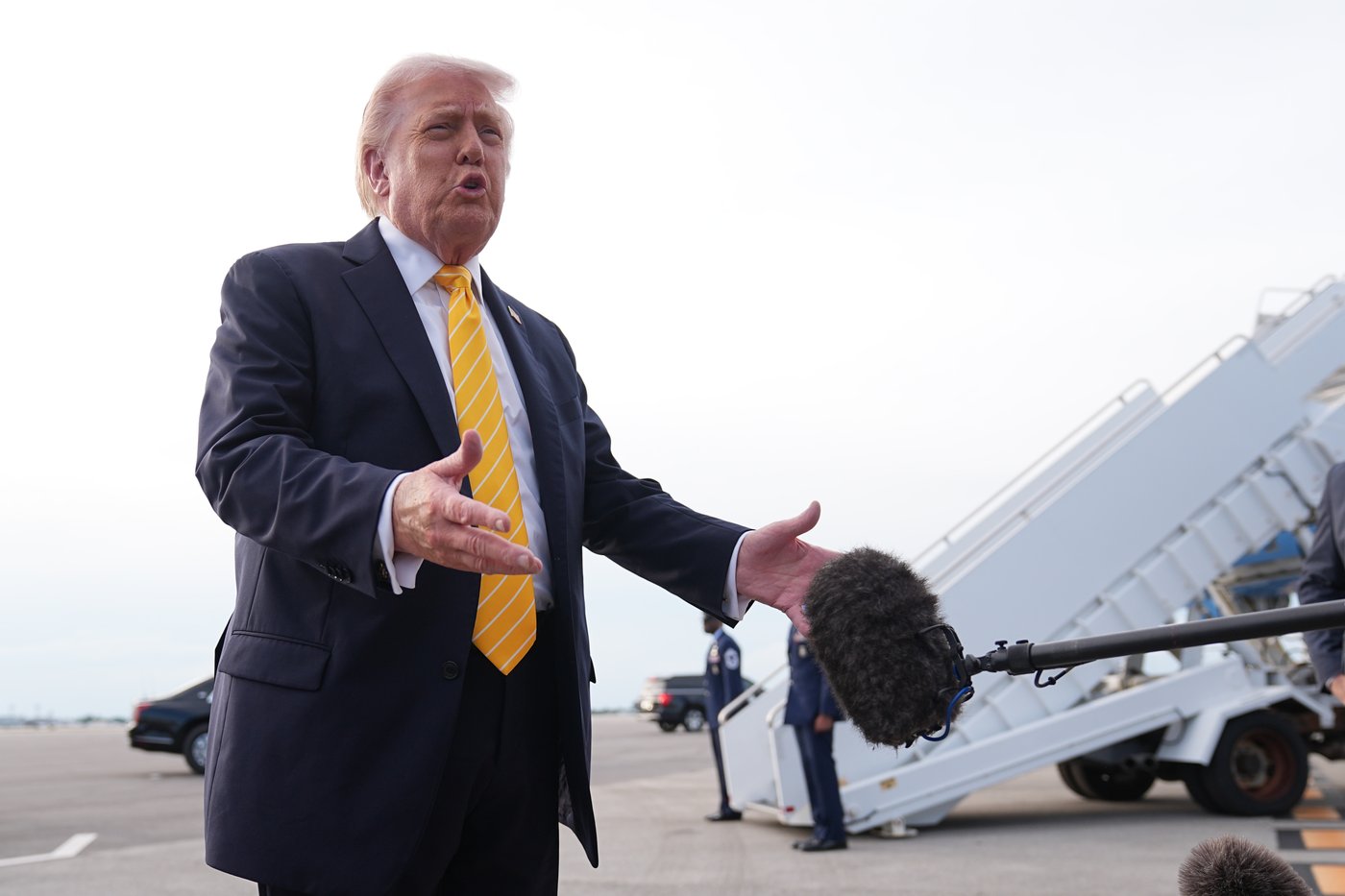
President Trump has maintained a cautious, if not openly doubtful, stance regarding the sincerity of the offer. Speaking to reporters near Air Force One, the President remarked that he would provide further updates once the full implications of the text are understood. His subsequent social media commentary was more pointed, suggesting that Iran has not yet “paid a big enough price” for its actions over the last 47 years. This rhetoric underscores a fundamental divide: the U.S. administration is seeking accountability for long-standing geopolitical tensions, while Tehran is pushing for an immediate end to the crippling economic blockades.
The Strategic Chokepoint: The Strait of Hormuz
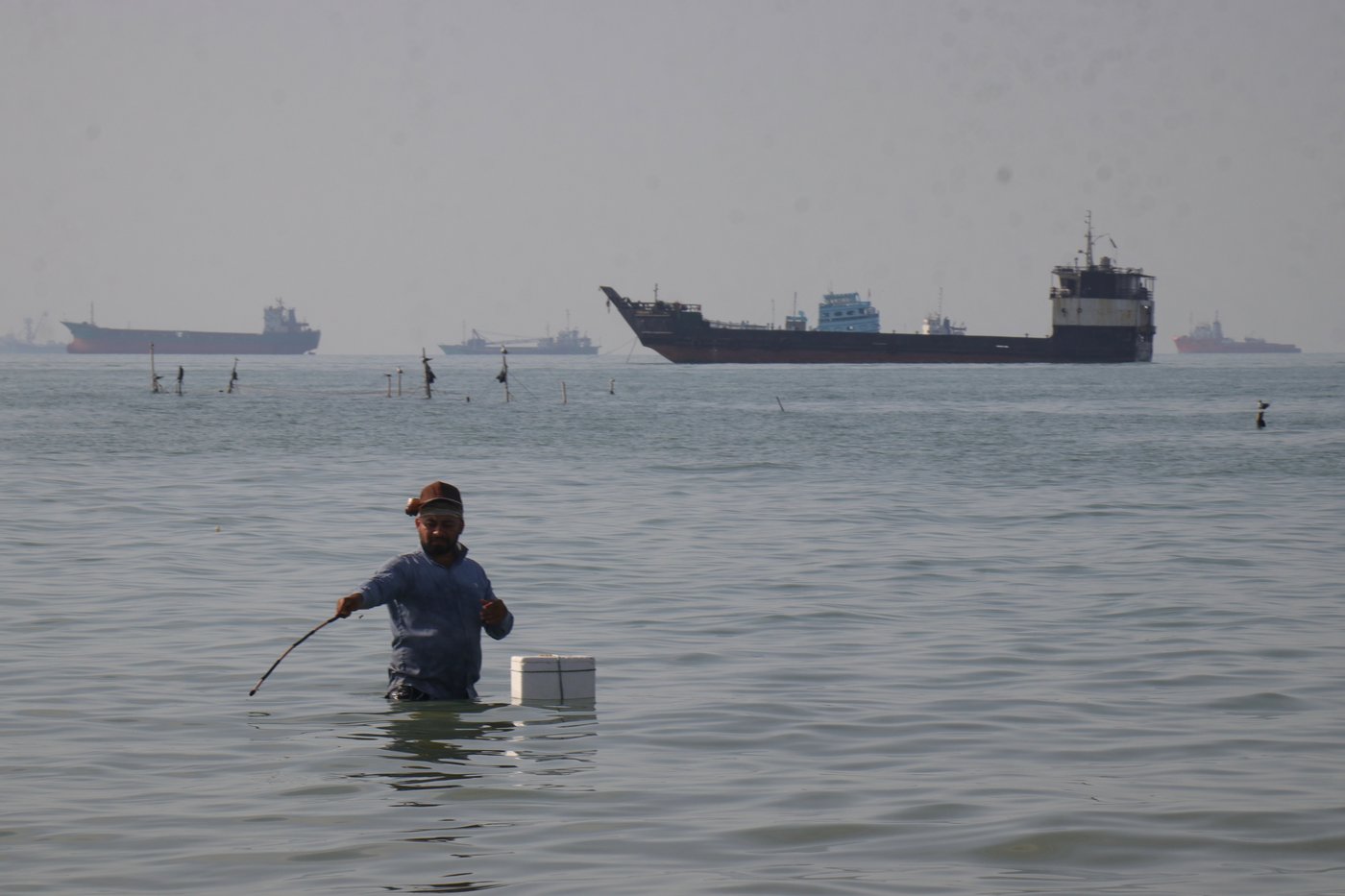
Central to the ongoing conflict is the control of the Strait of Hormuz, a vital maritime artery through which approximately 20% of the world’s oil and natural gas trade flows. Since the conflict escalated in late February, the waterway has become the primary theater for economic warfare.
The U.S. has implemented a strict naval blockade of Iranian ports since mid-April, significantly stifling the Iranian economy and its ability to export oil. In retaliation, Tehran has attempted to exert control over the strait, threatening commercial shipping and demanding fees for “safe passage.” The U.S. Treasury has issued stern warnings to international shipping companies, cautioning that payments made to Iran—whether in cash, digital assets, or in-kind donations—could trigger severe secondary sanctions.
Humanitarian Crisis and Internal Unrest
Beyond the tactical maneuvers of navies and the rhetoric of heads of state, the human cost of the conflict is mounting. The health of imprisoned activist Narges Mohammadi has become a focal point for international human rights organizations. A Nobel Peace Prize laureate, Mohammadi has been suffering from a cardiac crisis, yet her family reports that the Iranian Intelligence Ministry is actively blocking her transfer to Tehran for specialized medical care.
The refusal to allow her transfer is seen by observers as a reflection of the internal climate in Iran, where the government continues to crack down on dissent. This incident, combined with the recent execution of two men accused of spying for Israel, highlights the volatile environment in which these diplomatic negotiations are taking place. The Norwegian Nobel Committee has joined the chorus of international voices urging immediate medical intervention, emphasizing that her survival rests entirely in the hands of Iranian authorities.

The Road Ahead: Can Peace Prevail?
As the three-week ceasefire continues to hold, the international community is watching to see if the 14-point plan can serve as a foundation for a lasting deal. However, the gap between the two sides remains wide. The U.S. continues to demand transparency and a cessation of regional aggression, while Iran remains focused on the removal of the naval blockade and the restoration of its oil trade.
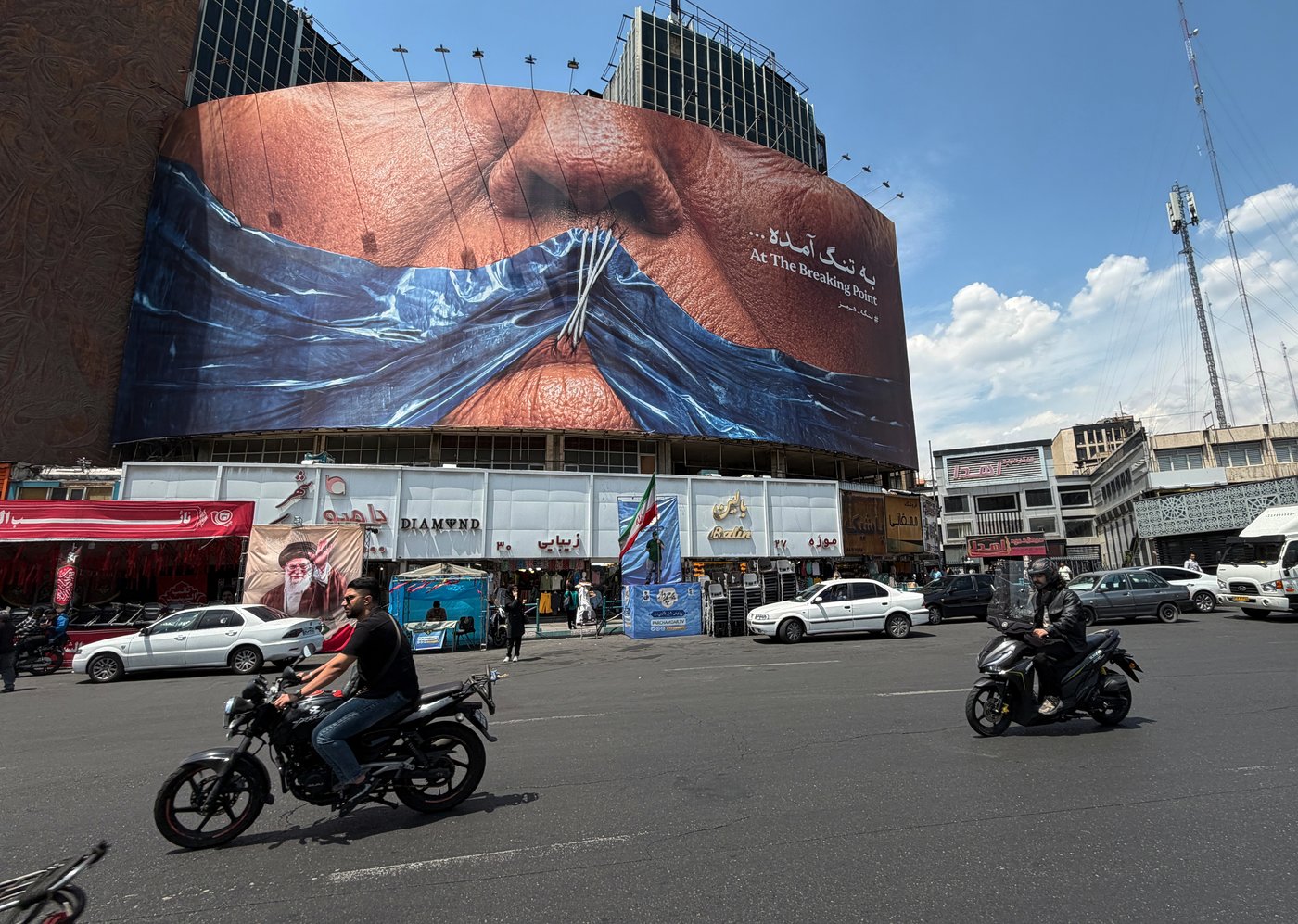
Key Factors to Watch:
Diplomatic Channels: The role of Pakistan in facilitating these sensitive communications remains crucial to preventing a total collapse of talks.
Economic Pressure: The effectiveness of the U.S. naval blockade and the impact of shipping sanctions on Iran’s internal stability.
- Regional Security: The potential for further kinetic military actions, such as the strikes on nuclear sites witnessed earlier this year.
Ultimately, President Trump’s skepticism suggests that while the door to diplomacy is ajar, the U.S. is not prepared to make concessions without substantial, verifiable changes in Iranian policy. The coming weeks will likely determine whether this proposal is the beginning of a genuine peace process or merely a temporary pause in a much longer, more complex struggle for regional dominance.