Brixton Shooting Recap: The Hunt for Suspects After Indiscriminate London Violence

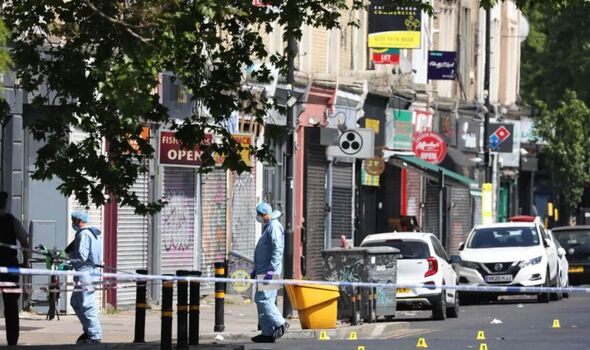
The quiet of a Saturday morning in South London was shattered in the early hours as a horrific drive-by shooting unfolded on Coldharbour Lane. What began as a social gathering—reportedly a late-night street barbecue—descended into chaos when gunfire erupted from a passing vehicle, leaving four individuals injured and the local community in a state of shock. As we look back at this incident in 2026, the event remains a stark reminder of the challenges surrounding urban gun violence and the ongoing efforts of the Metropolitan Police to maintain safety in Brixton.
The Night Chaos Descended on Coldharbour Lane
At approximately 1:15 am, emergency services were flooded with reports of multiple gunshots echoing through the streets of Brixton. Metropolitan Police officers, including specialized armed units, arrived on the scene within four minutes, a rapid response that proved vital in providing immediate first aid to the victims.
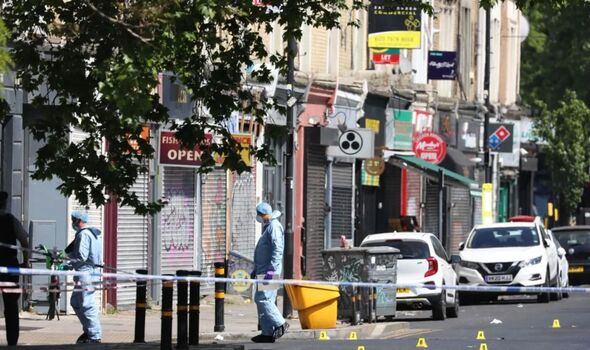
Witnesses described a scene of absolute pandemonium. The area, which had been hosting a neighborhood gathering, was suddenly transformed into a crime scene. The perpetrators, operating from a vehicle, reportedly fired indiscriminately into the crowd before speeding away, leaving behind a trail of devastation that would dominate headlines for weeks.
Victims of the Attack: A Cross-Section of the Community
The indiscriminate nature of the attack was highlighted by the diverse ages of the victims. The four individuals injured ranged from a 25-year-old man to a pensioner, underscoring the reckless disregard for human life shown by the shooters.
The Critical Case: A 25-year-old man suffered the most severe injuries and was rushed to the hospital in a life-threatening condition. His survival became the primary focus of medical teams in the immediate aftermath.
The Other Victims: Alongside the 25-year-old, three other individuals—aged 21, 47, and 70—sustained various gunshot wounds. Their hospitalization and subsequent recovery process drew national attention to the vulnerability of bystanders in urban environments.
The Investigation: A Manhunt “At Pace”
Following the shooting, the Metropolitan Police launched a high-priority investigation. Detectives described the incident as an “act of indiscriminate violence,” a classification that signaled to the public that this was not merely a targeted dispute, but an attack on the community itself.
Forensic Scrutiny and Witness Appeals
Investigators scoured the area around Coldharbour Lane, focusing on nearby housing estates and grassland where the shooters may have fled. Forensic teams meticulously combed the street for ballistics evidence, shell casings, and any traces left by the vehicle involved. Despite the intensity of the police presence and the “at pace” nature of the investigation, the suspects managed to evade capture in the initial hours, sparking an urgent, ongoing manhunt.
The Role of Technology and CCTV
In modern policing, the trail of a getaway vehicle is often found through a web of CCTV and ANPR (Automatic Number Plate Recognition) cameras. Detectives utilized these tools to track the vehicle’s movements leading up to and following the discharge of firearms. By 2026, the integration of advanced surveillance in London’s hotspots has become a cornerstone of such investigations, though the anonymity afforded by high-speed vehicles remains a significant hurdle.
Understanding Urban Gun Violence in 2026
The Brixton shooting serves as a grim case study for the patterns of gun crime in major metropolitan areas. While overall crime rates fluctuate, the use of firearms in drive-by scenarios presents a unique challenge for law enforcement.
The “Indiscriminate” Factor
When police label an incident as “indiscriminate,” it changes the public perception of the threat. It suggests that the perpetrators had little concern for who was in their line of fire. This creates a ripple effect of fear, as residents feel that their presence in a public space—even a social one—could potentially put them in harm’s way.
Community Impact and Resilience
Brixton is a neighborhood defined by its rich culture and history of resilience. However, incidents like this inevitably strain the relationship between the community and the police. In the weeks following the shooting, local leaders and law enforcement worked to bridge the gap, encouraging witnesses to come forward while simultaneously addressing the underlying issues of gang-related tension and safety in public spaces.
Preventing Future Tragedies: A Call for Vigilance
The aftermath of the Brixton shooting led to a renewed debate regarding gun control, police funding, and community safety programs. As we reflect on this in 2026, the emphasis has shifted toward:
- Community-Led Safety: Empowering residents to report suspicious activity before it escalates into violence.
- Enhanced Policing: Utilizing data-driven strategies to predict and prevent violence in known hotspots.
- Support Services: Providing trauma-informed care for the victims and the broader community members who witnessed the horror.
Conclusion: Lessons Learned from the Chaos
The Brixton shooting remains a somber chapter in London’s recent history. While the immediate chaos has subsided, the impact on the four victims and the local community persists. The incident highlights the critical importance of rapid emergency response and the tireless work of detectives who strive to bring justice to those affected by senseless acts of violence.
As the city continues to evolve, the memory of this night serves as a reminder that public safety is a shared responsibility. By maintaining vigilance and supporting the efforts of those working to curb illegal firearm use, the community hopes to ensure that such a scene of terror is never repeated on the streets of Brixton or anywhere else in the capital.