Canada’s Strategic Pivot: Why PM Mark Carney Shifted His Stance on the U.S. Iran War

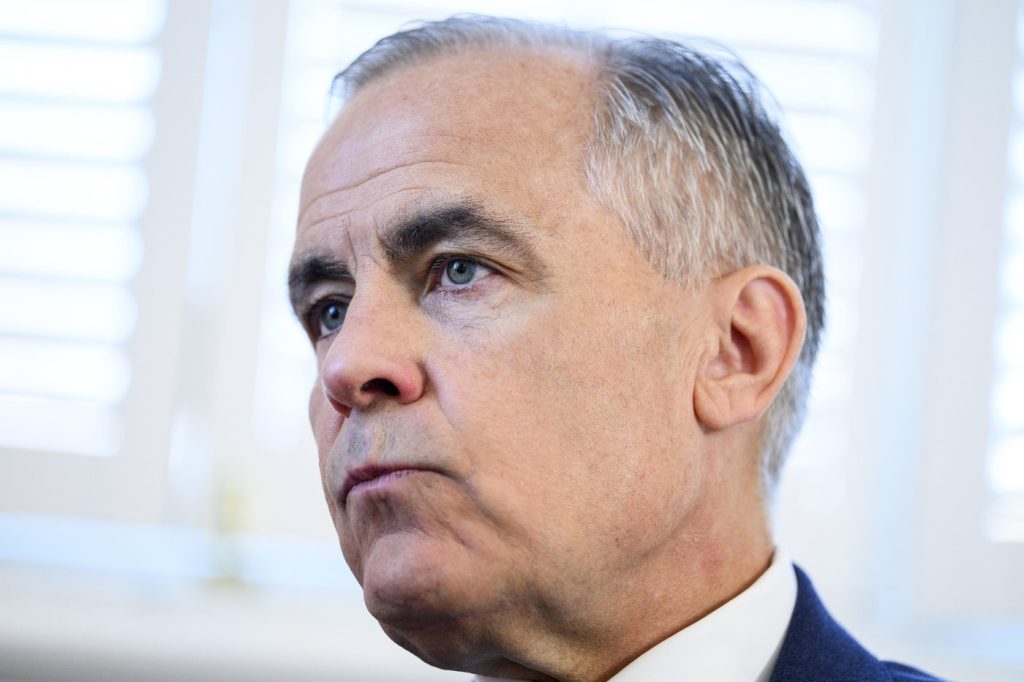
In the evolving geopolitical landscape of 2026, international diplomacy is being tested by shifting strategic alliances and rapidly evolving military objectives. Prime Minister Mark Carney has found himself at the center of a geopolitical firestorm, facing intense scrutiny over his government’s fluctuating Canadian foreign policy position regarding the U.S.-led war in Iran. Indeed, Carney says his stance on Iran war shifted as Trump’s goals ‘evolved’, transforming what began as a moment of unequivocal Canadian support into a nuanced, cautious stance, prompting debates about national sovereignty, international law, and the complexities of U.S.-Canada bilateral relations.
In a recent interview with The Canadian Press, Prime Minister Carney addressed these criticisms head-on, arguing that his administration’s pivot was not a sign of indecision, but a necessary reaction to the changing nature of the conflict itself. He reiterated that Carney says his stance on Iran war shifted as Trump’s goals ‘evolved’, necessitating a re-evaluation of Canada’s role and its national security interests.
The Evolution of Objectives: A Diplomatic Tightrope
When the military intervention first erupted, the initial reaction from Ottawa was swift and supportive. However, as the days progressed, the lack of clarity regarding Washington’s ultimate endgame began to weigh on the Canadian government.
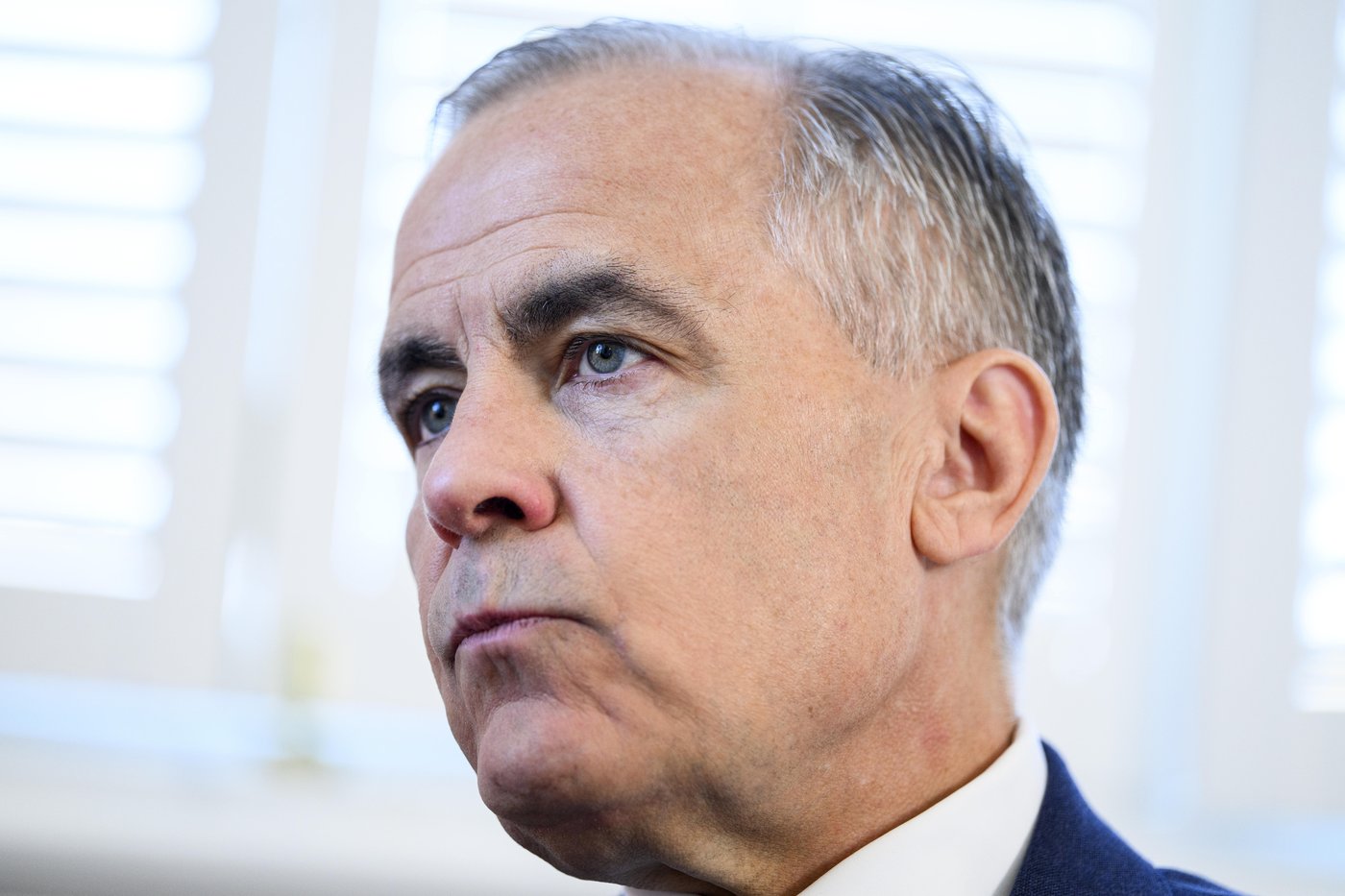
According to Carney, the “scale and clarity” of President Donald Trump’s objectives were not fully transparent at the onset of hostilities. As the mission parameters shifted, so too did Canada’s diplomatic posture and geopolitical strategy, reinforcing why Carney says his stance on Iran war shifted as Trump’s goals ‘evolved’. Carney emphasized that while Canada remains steadfast in its view that Iran is a primary exporter of state-sponsored terror, the methods employed to address this threat must align with international standards and uphold the rules-based international order.
Why the Initial Support Waved
The transition from vocal backing to public skepticism was stark. Critics were quick to point out that within hours of the war’s commencement, Carney had offered his full support. Yet, days later, he was expressing regret over the lack of United Nations consultation and principles of global governance. This about-face, which clearly illustrates why Carney says his stance on Iran war shifted as Trump’s goals ‘evolved’, has led to two distinct camps of criticism:
- The Hawks: Those who believe the Prime Minister “watered down” a principled stance against a hostile regime.
- The Legalists: Human rights advocates and international law experts who argue that Carney’s initial support contradicted his own rhetoric—specifically his Davos address regarding the rejection of hegemonic behavior by global superpowers.
Balancing National Interests and Global Law
Prime Minister Carney’s defense rests on the distinction between the strategic objective and the tactical execution. This distinction is central to understanding why Carney says his stance on Iran war shifted as Trump’s goals ‘evolved’. Canada has long maintained that Iran’s pursuit of nuclear capabilities, which poses a significant threat to Middle East security, and its history of harming Canadians are unacceptable.
“From the perspective of an action that we’re going to reduce that, we’re supportive of those objectives,” Carney noted during the interview. However, he clarified that the primary point of contention lies in how those objectives are pursued. For Ottawa, the legitimacy of a conflict is tied to its consistency with international law and its impact on regional stability—a threshold that the current U.S. operation has struggled to meet in the eyes of the Canadian government.
The Strait of Hormuz and Future Commitments
Despite the friction, Canada is not entirely stepping back from the Middle East security conversation. Carney has indicated that Ottawa remains open to providing support for the restoration of shipping access in the Strait of Hormuz, provided a functional and “durable” ceasefire is established.
This is a critical distinction. The Prime Minister was explicit in his assessment of the current situation, stating that despite claims from Washington regarding a pause in hostilities, the region is far from reaching a state of durable peace and regional stability. By setting these conditions, Carney is attempting to maintain Canada’s influence without becoming a direct combatant in a conflict that lacks a clear, multilateral mandate.
The Global Stage: Armenia and Beyond
As the international community and advocates of global governance watch these developments, Prime Minister Carney is preparing to head to Armenia for the European Political Community summit. His attendance as the only non-European leader is significant. It signals that Canada is looking to align its security policy more closely with its European partners, strengthening strategic alliances particularly in the aftermath of Russia’s invasion of Ukraine.
Aligning with European Security
The summit will focus on infrastructure, security, and political coordination. Carney’s presence serves as a strategic maneuver to:
Solidify Alliances: Strengthening ties with countries from Iceland to Azerbaijan.
Define Post-Conflict Roles: Positioning Canada to assist in humanitarian and stability efforts once a genuine, long-term ceasefire is achieved.
- Economic Diplomacy: With the Canadian government actively seeking investment from Gulf nations, the pressure to navigate this war without alienating key regional players is immense.
Analysis: The Cost of Being a Middle Power
The current situation highlights the inherent challenges of being a middle power in Canadian foreign policy in a world dominated by the competing goals of superpowers. Carney’s “evolution” of stance is a reflection of the reality that Canada cannot simply rubber-stamp U.S. military initiatives without considering the implications for its own standing in the international community and the rules-based international order. It is precisely because Carney says his stance on Iran war shifted as Trump’s goals ‘evolved’ that Canada seeks to maintain its moral compass.
Critics argue that this approach makes Canada appear unreliable. However, supporters view it as a sophisticated, if sometimes clumsy, attempt to maintain a moral compass while navigating the hard-power realities of the U.S.-Canada bilateral relations. The Prime Minister is essentially betting that by demanding clarity and adherence to international law, he can protect Canadian national security interests without being dragged into a conflict that may not serve the long-term stability of the region.
Conclusion: A Delicate Path Forward
The narrative surrounding Mark Carney’s shift on the Iran war is far from over. As he prepares for the summit in Armenia, the Prime Minister will be under pressure to provide more than just rhetorical shifts, especially since Carney says his stance on Iran war shifted as Trump’s goals ‘evolved’. He must demonstrate that Canada has a coherent geopolitical strategy—one that balances its security commitments to the United States with its stated dedication to global legal norms and the rules-based international order.
Whether this “evolved” stance will be viewed as a prudent diplomatic correction or a failure of leadership remains to be seen. What is certain is that in 2026, the lines between domestic policy, international security, Middle East security, and economic survival have never been more blurred. For Carney, the task ahead is to ensure that while the goals of the U.S. may change, and indeed Carney says his stance on Iran war shifted as Trump’s goals ‘evolved’, Canada’s commitment to its own values and long-term regional stability remains fixed.