The High Stakes of Diplomacy: Trump Reviews New Iranian Proposal Amidst Economic Stranglehold

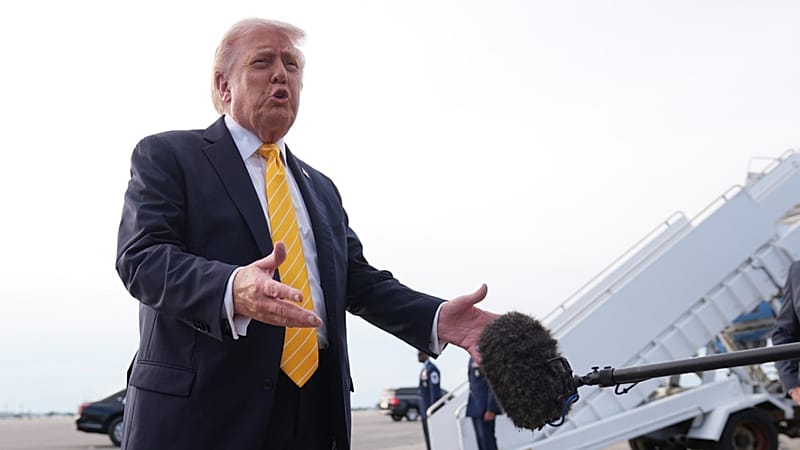
As the year 2026 unfolds, the geopolitical landscape in the Middle East remains defined by a precarious, fragile ceasefire and an intensifying war of attrition. US President Donald Trump has confirmed he is currently reviewing a new 14-point peace proposal submitted by Iran via Pakistani intermediaries. However, the President has signaled significant skepticism, publicly asserting that Tehran has “not yet paid a big enough price” for its actions over the last four decades, which include its Iranian nuclear program and support for regional proxy groups across the region. This sentiment underscores why Trump says Iran has ‘not yet paid a big enough price’ as he reviews new peace proposal.
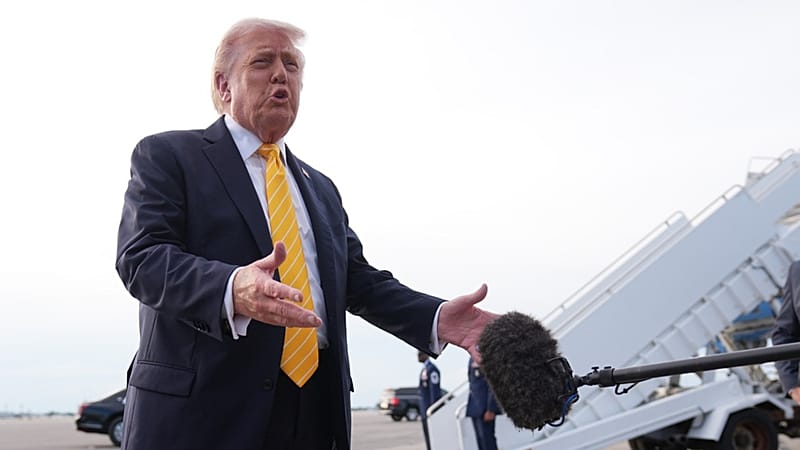
This latest development marks a critical juncture in the ongoing US-Iran conflict, especially given that Trump says Iran has ‘not yet paid a big enough price’ as he reviews new peace proposal. With the Strait of Hormuz effectively closed to maritime traffic and a total naval blockade strangling the Iranian economy, the international community is watching closely to see if this diplomatic opening holds any real potential for a de-escalation strategy, or if it is merely a stalling tactic in a broader struggle for regional dominance and the future of Middle East security architecture.
The 14-Point Proposal: A Last-Ditch Effort?
Reports from Iranian media outlets, specifically Tasnim and Fars—both considered influential in their proximity to the Islamic Revolutionary Guard Corps (IRGC)—suggest that Tehran has moved to formalize its position. The 14-point plan, delivered through Pakistan, appears to be a direct response to a nine-point framework previously proposed by the United States, which often included demands regarding the Iranian nuclear program and its ballistic missile program.
While the exact text remains under wraps, the timing of this submission is telling. Iran’s economy has been reeling under the weight of “Economic Fury,” a term used by the current administration to describe the aggressive sanctions and the naval blockade of all Iranian ports, making sanctions relief a primary Iranian objective. The US Navy’s operational success in turning away nearly 50 vessels has created a dire financial reality for Tehran, reportedly costing the nation roughly $500 million daily.
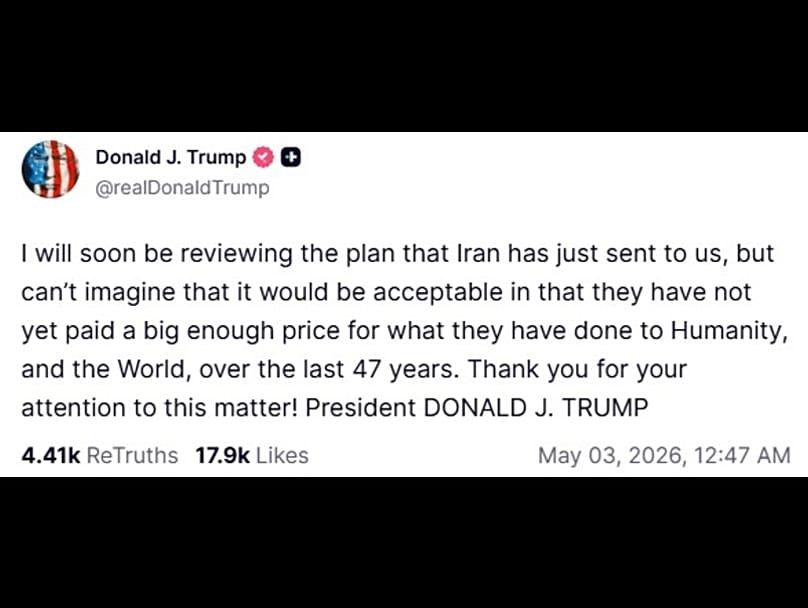
President Trump’s reaction on Truth Social was characteristically blunt. He indicated he would review the document but expressed disbelief that it would meet the threshold for acceptance, reinforcing why Trump says Iran has ‘not yet paid a big enough price’ as he reviews new peace proposal, especially after the prior Joint Comprehensive Plan of Action (JCPOA). His rhetoric emphasizes a “punitive” approach, suggesting that any deal must account for 47 years of regional instability, including support for regional proxy groups, and human rights abuses, rather than simply addressing the current military theater.
The Stranglehold on the Strait of Hormuz
Central to the current standoff is the Strait of Hormuz, a vital artery for global energy markets. Since the outbreak of hostilities on February 28, 2026, the waterway has been effectively shuttered to standard maritime traffic. The economic implications are staggering, as this chokepoint typically facilitates the movement of one-fifth of the world’s oil and natural gas supplies.
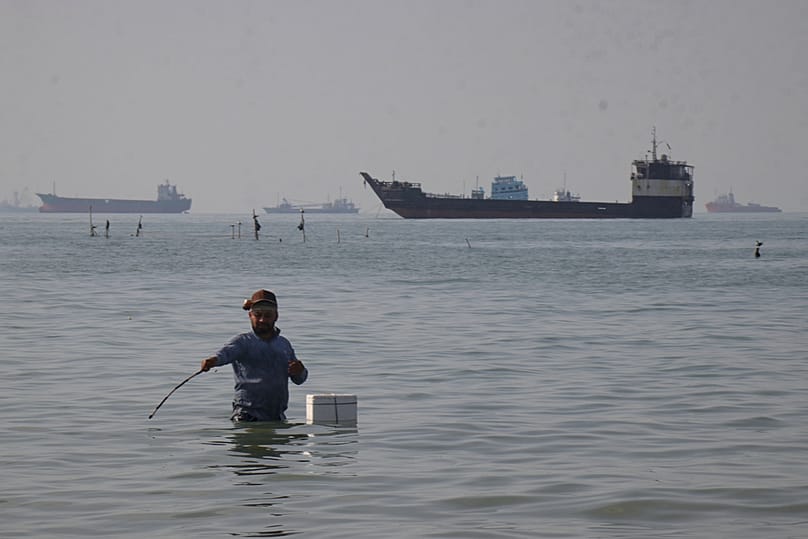
Iran’s recent suggestion that it might allow passage for vessels willing to pay a “fee” has been met with fierce resistance from Washington. The White House has issued stern warnings to global shipping firms, stating that any payments—whether in cash, digital assets, or in-kind services—could trigger severe US sanctions. The administration’s stance is clear: they will not permit Tehran to “bully the global economy” or profit from the blockade, which directly impacts Middle East security architecture.
The Impact of the Naval Blockade
The US naval blockade has proven to be the most effective instrument in the current conflict. By forcing vessels to turn back, the US has created an artificial wall around Iranian commerce. This has forced Tehran to consider diplomatic channels that, until recently, they seemed unwilling to explore, especially in light of the fact that Trump says Iran has ‘not yet paid a big enough price’ as he reviews new peace proposal. The question remains: is the 14-point proposal a genuine attempt at peace and a de-escalation strategy, or a desperate move to alleviate the crushing pressure of the blockade and achieve sanctions relief?
Diplomatic Hurdles and Skepticism
Negotiations between Washington and Tehran have historically been fraught with mistrust and logistical challenges. Previous in-person talks in Islamabad were abandoned after Iranian delegations cited travel difficulties, leading to a breakdown in communication. While the current ceasefire has held for three weeks, it remains “fragile,” and both sides seem prepared to resume hostilities at a moment’s notice.
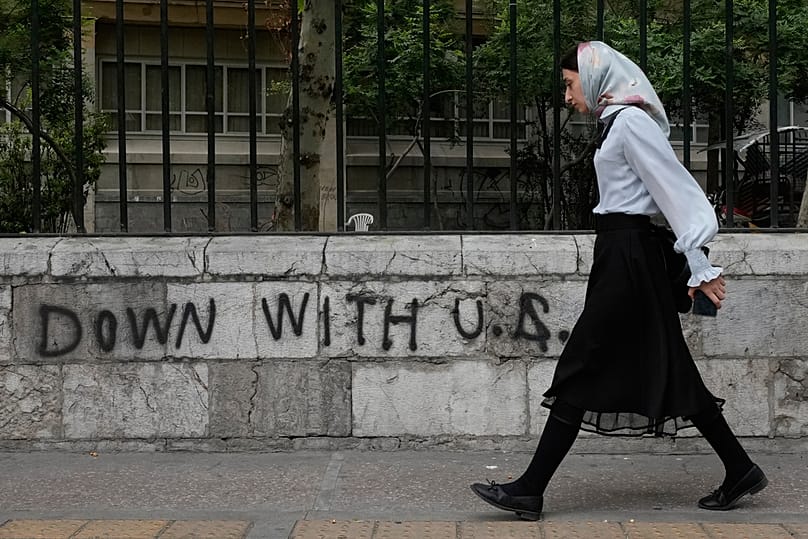
The skepticism from the Trump administration is not limited to the content of the proposal, especially given the history of the Joint Comprehensive Plan of Action (JCPOA). There is a fundamental disagreement on the scope of the negotiations, particularly because Trump says Iran has ‘not yet paid a big enough price’ as he reviews new peace proposal. The US is seeking a comprehensive resolution that addresses the Iranian nuclear program, its ballistic missile program, and its regional proxy groups and influence, while some reports suggest Iran is attempting to prioritize the reopening of the Strait of Hormuz while punting the nuclear file to a later date.
Key Obstacles to a Deal:
- The “Price” of Peace: President Trump’s insistence, encapsulated by the statement Trump says Iran has ‘not yet paid a big enough price’ as he reviews new peace proposal, suggests that the US may demand further concessions related to human rights abuses and regional destabilization before lifting the blockade.
- Verification and Trust: With decades of mutual animosity, establishing a mechanism, potentially involving the International Atomic Energy Agency (IAEA), to verify adherence to any new 14-point agreement will be a monumental task.
- Economic Disparity: The US is leveraging its economic might to force a change in behavior, while Iran is attempting to use its strategic control of the Strait of Hormuz as a bargaining chip to gain sanctions relief.
The Path Forward: What Happens Next?
The coming days will be critical. If the White House rejects the 14-point proposal outright, the conflict could escalate rapidly, potentially leading to new rounds of military strikes. Conversely, if the US sees even a glimmer of opportunity for a viable de-escalation strategy, we may see a shift toward more formal, high-level diplomatic engagement.
For now, the world waits as the review process continues, especially since Trump says Iran has ‘not yet paid a big enough price’ as he reviews new peace proposal. The “Economic Fury” strategy has undeniably forced Iran to the table, but the ultimate success of these talks depends on whether both parties can find a middle ground that satisfies the US demand for accountability while allowing Iran a path out of its current economic isolation and contributing to broader Middle East security architecture.
The situation remains fluid. As the US president weighs his options, the global community must prepare for either a historic breakthrough or a deepening of one of the 21st century’s most intractable conflicts.