Tragedy in the Channel: Two Migrants Die in Latest Failed Crossing Attempt

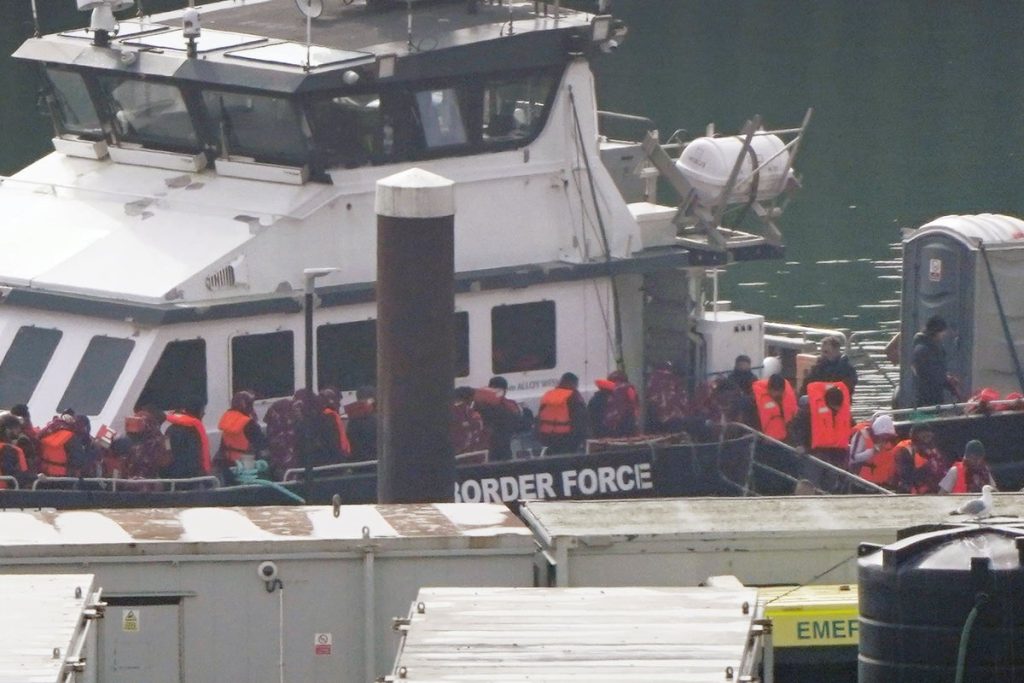
The perilous journey across the English Channel has claimed more lives, marking yet another harrowing chapter in the ongoing migration crisis. In the early hours of Sunday morning, a small, makeshift dinghy carrying 82 individuals ran aground off the coast of Neufchatel-Hardelot in France’s Pas-de-Calais region. The incident, which resulted in the deaths of two women, has reignited the intense debate surrounding border security, humanitarian responsibility, and the lethal role of organized crime in human smuggling.
As authorities continue to investigate the circumstances surrounding this tragedy, the incident highlights the extreme risks taken by vulnerable people fleeing conflict and instability. With the death toll rising in the Channel throughout 2026, the pressure on both French and British authorities to find a sustainable solution remains at an all-time high.
A Midnight Disaster: What Happened off the French Coast?
The tragedy began shortly after 1:30 am when the overcrowded dinghy departed from the southern area of Neufchatel-Hardelot. According to reports from French officials, the vessel encountered immediate technical difficulties, causing it to drift aimlessly in the dark, dangerous waters of the Channel.
The boat eventually ran aground on the French coastline. Upon discovery, emergency responders found the bodies of two women inside the vessel. While preliminary reports suggest the victims were of Sudanese origin and in their 20s, official identification and nationality confirmation are currently subject to an ongoing judicial investigation by the Boulogne-sur-Mer prosecutor’s office.
The Human Cost: Injuries and Emergency Response
The incident was not only fatal but physically devastating for the survivors. French authorities reported that 17 individuals were transported to safety via the rescue vessel The Minck and the patrol boat Armoise. Among the survivors:
Three individuals remain in “absolute emergency” status, suffering from severe chemical burns caused by a volatile mixture of fuel and seawater.
14 others are listed in “relative emergency,” with five requiring immediate hospitalization in Boulogne-sur-Mer.
The remaining passengers were assisted on the beach by a massive mobilization of state services, including the national gendarmerie, border police, and dedicated civil protection volunteers.
The Broader Context: 2026 Migration Trends
To understand the scale of this crisis, it is essential to look at the latest data from the UK Home Office. While the sight of small boats remains a common occurrence, the statistics present a complex picture of the 2026 migration landscape.
As of the latest reporting, the total number of migrants who have successfully reached the UK this year stands at 6,796. While this figure is significantly lower than the 11,516 arrivals recorded at this same time in 2025—a decrease of roughly 41%—it remains 8% higher than the 2023 figures.
Why the Fluctuation?
The decline in numbers compared to 2025 is often attributed to a combination of factors:
- Enhanced Surveillance: Increased use of drone technology and aerial monitoring by French authorities.
- Multimillion-Euro Agreements: Recent bilateral deals between the UK and France aimed at increasing police presence on beaches and dismantling smuggling networks.
- Deterrence Tactics: The implementation of stricter border policies and the increased visibility of the Border Security Command.
The Criminal Element: Smuggling Networks Under Fire
French officials have been vocal in their condemnation of the smuggling networks responsible for these crossings. Christophe Marx, secretary general of the Pas-de-Calais prefecture, emphasized that these criminal organizations operate with a “total disregard for human life.”
These networks profit by packing vulnerable individuals into unseaworthy, makeshift dinghies that are incapable of navigating the busy and often treacherous shipping lanes of the English Channel. By charging exorbitant fees for a journey that frequently ends in disaster, these groups are the primary drivers of the humanitarian crisis.
Can the Networks be Stopped?
Combating these networks requires more than just beach patrols. It requires international intelligence sharing and the targeting of the “middlemen” who organize the logistics, provide the boats, and coordinate the departures. The French state has pledged a “firm response,” working in tandem with judicial authorities to dismantle the infrastructure that allows these deadly crossings to continue.
The Humanitarian Debate: Safe Routes and Desperation
The tragic deaths of these two women have once again drawn criticism from refugee advocates. Imran Hussain of the Refugee Council pointedly argued that the root cause of these crossings is “desperation.”
“We know that it is desperation that drives refugees fleeing devastating war and brutal regimes into small boats,” Hussain stated. He highlighted the particular plight of Sudanese refugees, noting that despite the ongoing humanitarian crisis in Sudan, there are currently no safe and legal routes for them to seek asylum in the UK, even for those attempting to reunite with family members already in the country.
The Call for Policy Reform
Legal Pathways: Critics argue that without safe, legal avenues for asylum seekers, the demand for illegal crossings will persist, regardless of how many police are deployed on the beaches.
Addressing Root Causes: Humanitarian groups insist that policy must shift toward addressing the geopolitical instability in the countries of origin, rather than focusing solely on border containment.
- The Responsibility Gap: There is a growing tension between the government’s focus on border security and the moral obligations of international humanitarian law.
Conclusion: A Cycle of Tragedy
The loss of two more lives in the English Channel is a grim reminder of the human cost of the current migration impasse. While state services continue to mobilize and rescue operations save hundreds of lives, the fundamental issues driving these perilous journeys remain unresolved.
As 2026 progresses, the UK and France face the ongoing challenge of balancing national security interests with the fundamental duty to protect human life. Until a more comprehensive, humanitarian-focused strategy is implemented—one that addresses both the criminal smuggling networks and the desperate need for safe, legal routes—the Channel will likely continue to be a site of both intense political debate and heartbreaking tragedy.