Strategic Rift: Top Republicans Challenge Trump’s Troop Withdrawal from Germany

The geopolitical landscape of 2026 is shifting rapidly. As the ongoing war in Iran enters its third month, a significant internal conflict has emerged within the Republican Party. President Donald Trump’s administration has officially announced plans to withdraw roughly 5,000 U.S. troops from Germany, citing a lack of support for American military objectives in the Middle East and broader concerns regarding NATO burden-sharing.
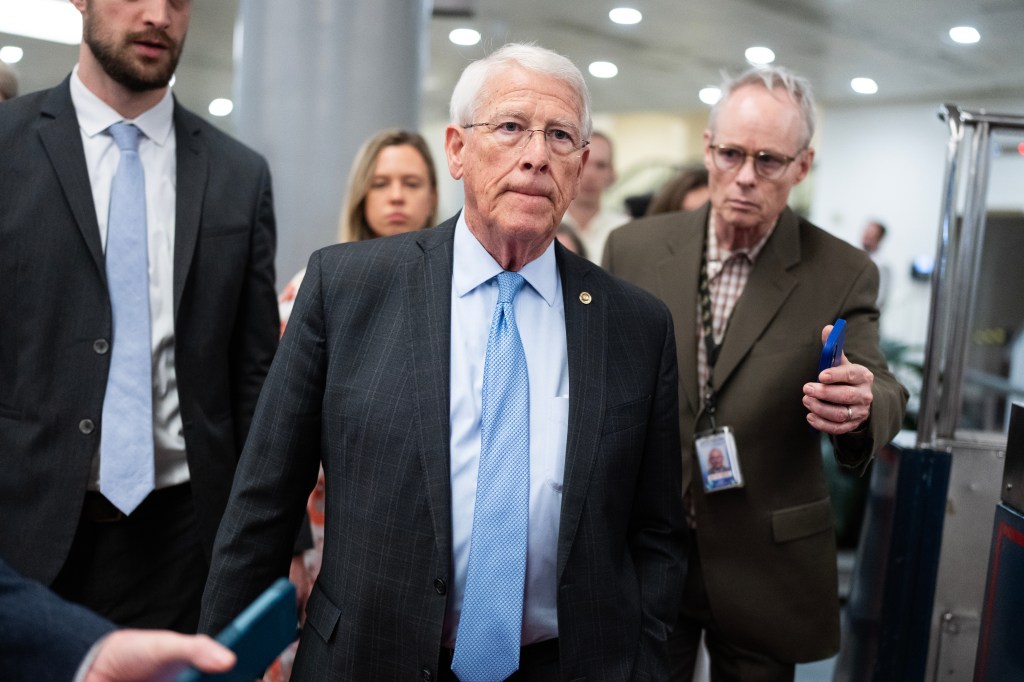
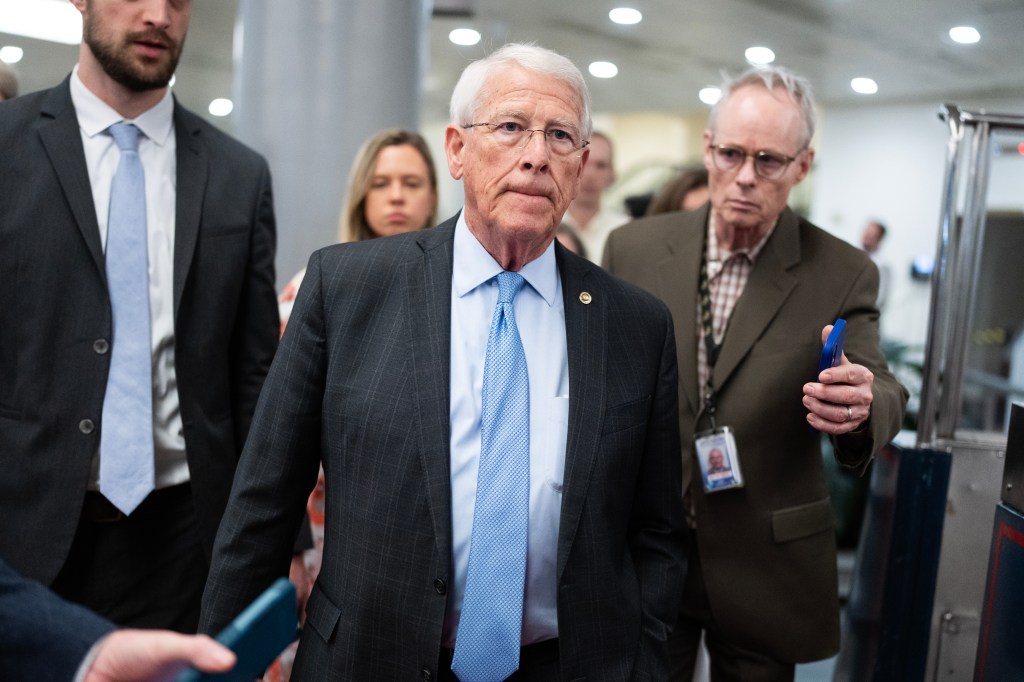
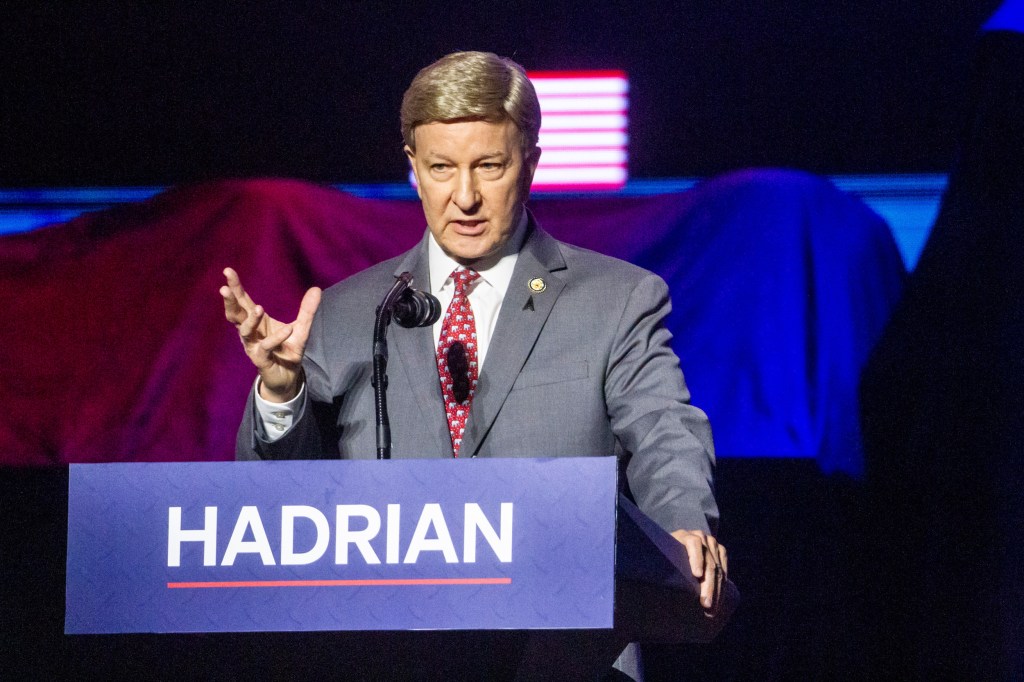
However, this decision has faced immediate and vocal pushback from the highest echelons of the GOP. Senator Roger Wicker (R-MS) and Representative Mike Rogers (R-AL), the respective chairs of the Senate and House Armed Services Committees, have issued a joint statement expressing grave concerns. This rare public split between the White House and the leaders of the congressional defense committees underscores a deepening divide over the future of American foreign policy and the stability of the transatlantic alliance.
The Strategic Logic Behind the Withdrawal
The Pentagon’s decision to pull 5,000 personnel from German soil is framed as a recalibration of U.S. force posture. According to official statements, the move follows a comprehensive review of theater requirements. President Trump has long maintained that certain NATO allies have failed to meet their defense spending obligations, often characterizing the reliance on U.S. protection as lopsided.
The tension reached a boiling point following a public spat between President Trump and German Chancellor Friedrich Merz. After Merz suggested that the White House was being “humiliated” by the complexities of the war in Iran, the President retaliated with sharp rhetoric, signaling that the troop presence in Europe was no longer guaranteed. This withdrawal, expected to take place over the next 6 to 12 months, serves as both a strategic repositioning and a political signal to allies who have been hesitant to align with U.S. military initiatives.
Congressional Pushback: A Question of Deterrence
For Senator Wicker and Representative Rogers, the issue is not merely about logistics; it is about global security. In their joint response, the two lawmakers argued that a premature reduction in forces—particularly while Vladimir Putin’s aggression in Ukraine continues—sends a dangerous message to adversaries.
Key Concerns from the Armed Services Committees:
Weakening Collective Deterrence: Lawmakers argue that maintaining a strong footprint in Europe is essential to keeping Russian ambitions in check.
Strategic Misalignment: Rather than pulling troops out of Europe entirely, Wicker and Rogers suggest that a more effective strategy would be to move these 5,000 forces to the eastern flank of NATO to bolster regional defenses.
Lack of Consultation: The chairs emphasized that any significant change to U.S. force posture requires a “deliberate review process” and close coordination with Congress, implying that the White House bypassed necessary oversight protocols.
The German Perspective and the Future of NATO
German Federal Minister of Defense, Boris Pistorius, has maintained a pragmatic, if cautious, stance. While he acknowledged that a drawdown was “foreseeable” given the ongoing friction between Washington and Berlin, he highlighted that the presence of U.S. troops remains a cornerstone of transatlantic security.
Pistorius’s recent comments suggest that Europe is beginning to internalize the reality of a more unpredictable American foreign policy. He noted that if the U.S. continues to pivot away from Europe, the continent must accelerate its efforts to strengthen the “European pillar” within NATO. This reflects a growing sentiment among European leaders that they can no longer rely solely on the American security umbrella.
Domestic Political Fallout: The Iran War Factor
The backdrop of this troop withdrawal is the ongoing war in Iran, which has become a significant political liability for the administration. Recent polling data indicates that the conflict is broadly unpopular among the American public.
Public Opinion: A recent ABC News/Washington Post/Ipsos poll found that 61% of Americans view the war as a mistake.
GOP Division: While 79% of Republicans overall support the President’s actions, the support is heavily concentrated within the “MAGA” wing of the party. “Non-MAGA” Republicans show significantly lower levels of enthusiasm, with support dropping to 50%.
Opposition: Democrats and Independents remain overwhelmingly opposed to the conflict, which complicates the President’s attempt to use the troop withdrawal as a rallying cry for his “America First” agenda.
What Happens Next: A Test of Institutional Power
As the Pentagon prepares to move these 5,000 troops—some of whom may be reassigned to the Indo-Pacific—the coming months will serve as a test of the checks and balances inherent in the U.S. government. Wicker and Rogers have made it clear that they expect the Department of Defense to engage with their oversight committees regarding the implications of this move.
The potential ripple effects are substantial. If the U.S. continues to reduce its footprint in Italy, Spain, and Germany, the architecture of the post-WWII security order may be permanently altered. Whether this leads to a more self-reliant Europe or a more vulnerable one remains the central question for policymakers in Washington and Brussels alike.
The administration’s decision to proceed with the withdrawal, despite objections from the chairmen of the armed services committees, suggests that President Trump is willing to prioritize his vision of defense burden-sharing over the traditional consensus of his party. For Congress, the challenge will be to determine if they have the leverage to force a change in course or if they will be forced to adapt to a new, more isolationist reality.