The Constitutional Standoff: Trump Declares Iran War ‘Terminated’ to Bypass Congress

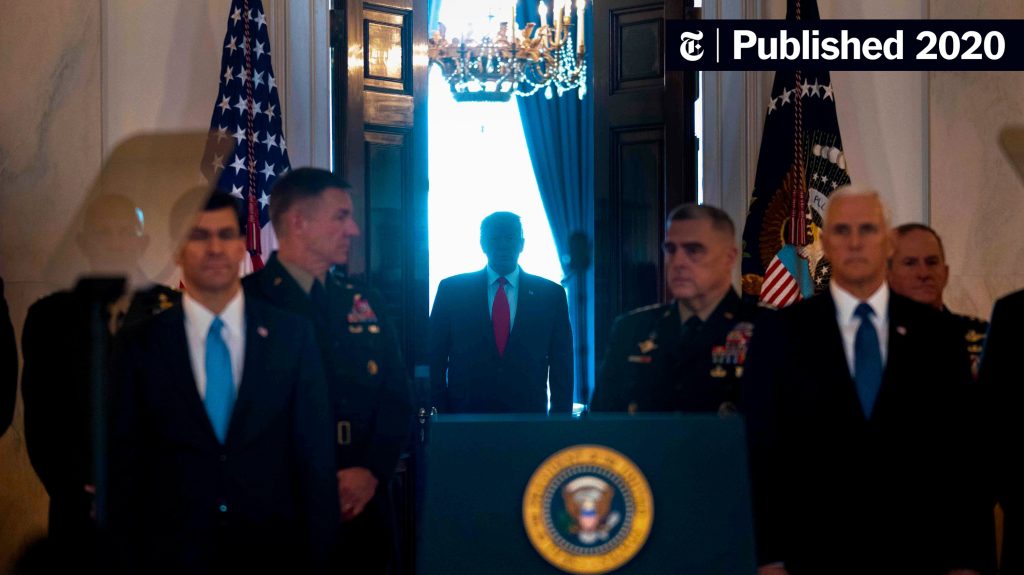
As the calendar hit the critical 60-day mark in May 2026, the geopolitical landscape regarding the Middle East reached a fever pitch. President Donald Trump, in a bold maneuver that has sent shockwaves through Washington, officially notified Congress that U.S. hostilities with Iran have “terminated.” By framing the current ceasefire as an end to the active conflict, the administration is attempting to circumvent the 1973 War Powers Resolution, sparking a fierce debate over executive authority and the constitutional role of the legislative branch.
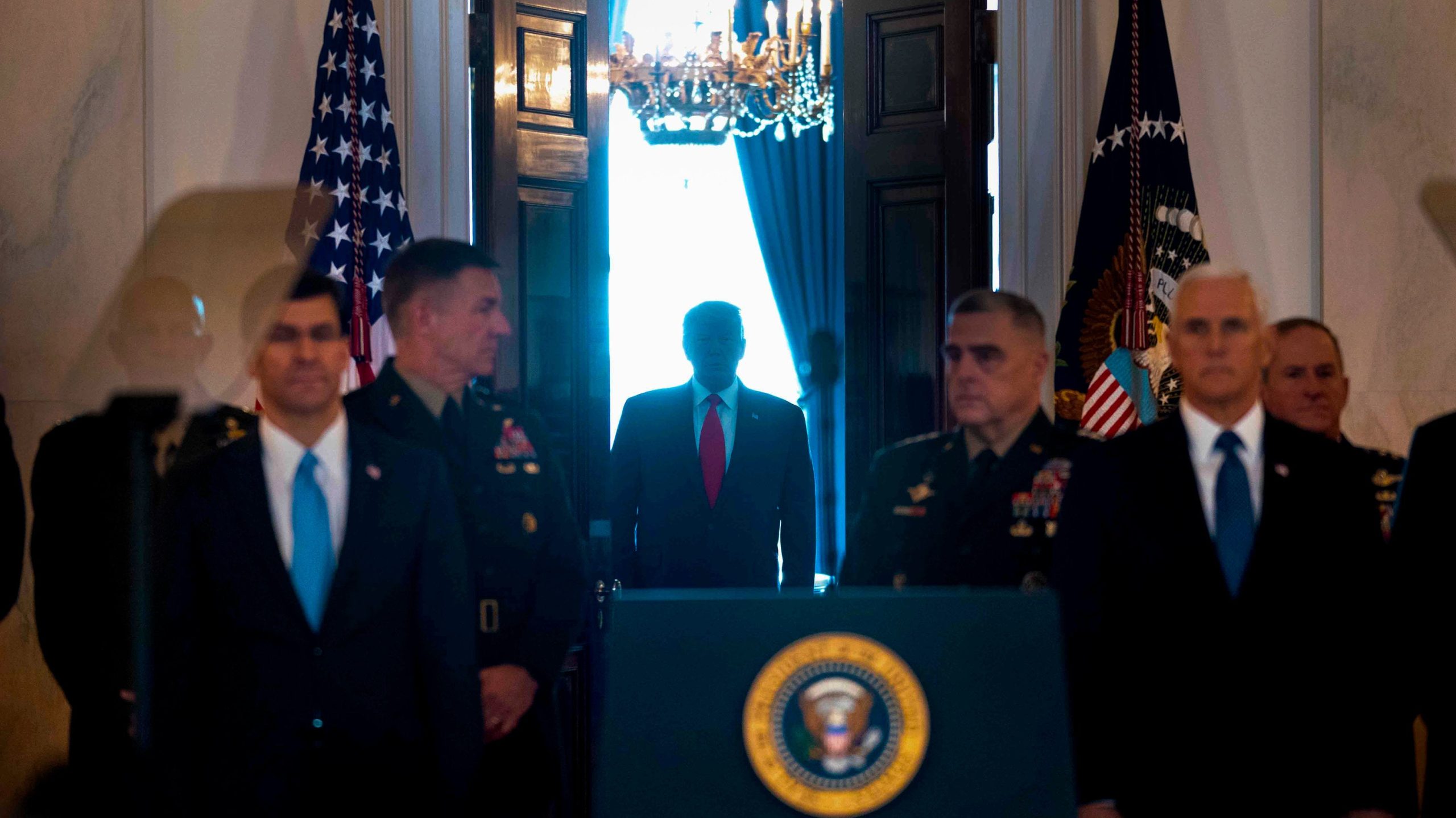
The War Powers Resolution and the 60-Day Clock
At the heart of this legal and political firestorm is the War Powers Resolution of 1973. Enacted in the wake of the Vietnam War, this legislation was designed to act as a check on presidential power. It mandates that a U.S. president must receive formal authorization from Congress within 60 days of initiating military action. If that deadline passes without approval—or a requested 30-day extension—the president is legally required to withdraw forces.
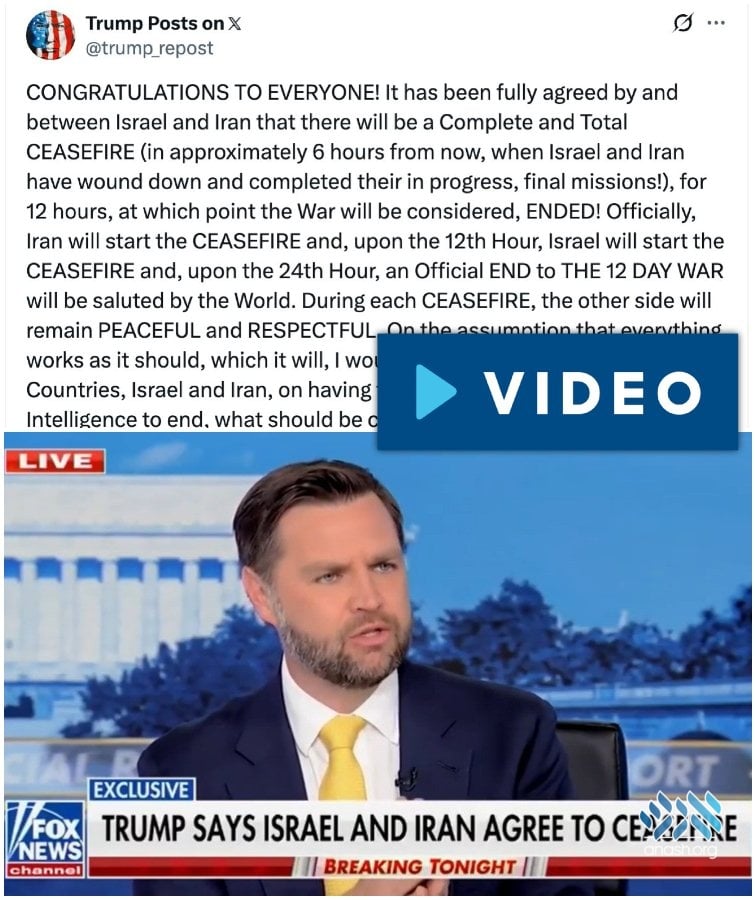
President Trump’s recent letter to congressional leaders argues that because there has been no exchange of fire since April 7, 2026, the “hostilities” have effectively ceased. This interpretation is a strategic attempt to reset the clock, suggesting that the obligation to seek congressional approval has evaporated alongside the active combat operations.
Legal Interpretations: A Clash of Authorities
The administration’s stance has been met with immediate skepticism from legal scholars and lawmakers alike. Professor Heather Brandon-Smith of Georgetown University Law has been vocal in her critique, noting that a temporary pause in violence does not constitute a legal or permanent end to a conflict.
The Administration’s View: The White House maintains that the ceasefire, while tenuous, legally terminates the specific “hostilities” that triggered the War Powers clock on February 28, 2026.
The Congressional View: Many Democrats, and even some Republicans, argue that the statute is clear: unless Congress formally authorizes the continued presence or activity of U.S. forces, the President cannot unilaterally bypass the law simply by declaring a temporary lull in fighting.
The Situation on the Ground: A Fragile Truce
While the legal battle rages in D.C., the situation in the Middle East remains volatile. The Strait of Hormuz, a critical artery for global energy, remains effectively closed, causing significant ripples in international markets. The U.S. Treasury has issued stern warnings to any nation or entity attempting to pay “tolls” to Iran for passage, further tightening the economic noose around Tehran.
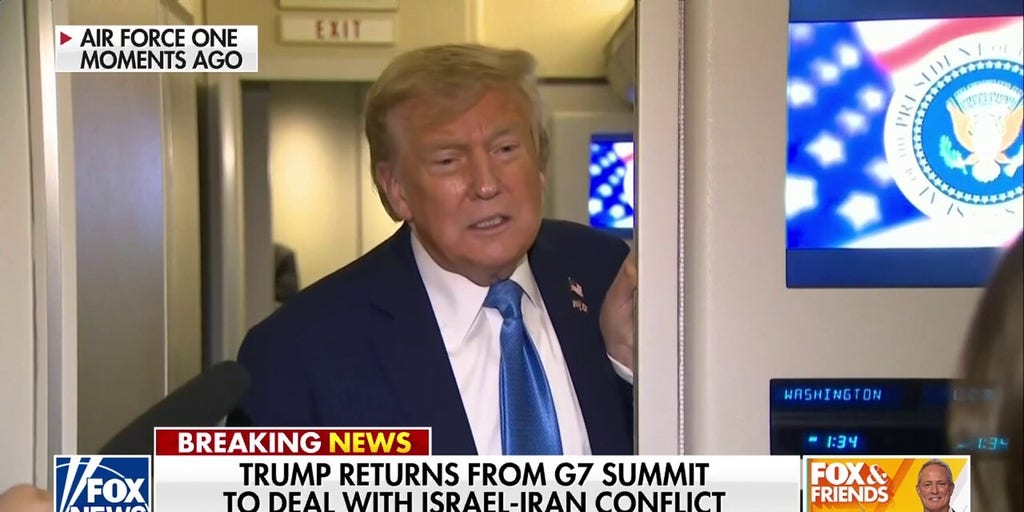
Despite reports from Iranian media that a new proposal for negotiations was sent via Pakistani intermediaries, President Trump has remained dismissive of the progress. During recent press briefings, the President expressed frustration with the current state of affairs, noting that the Iranian leadership appears “confused” following the significant loss of high-ranking military officials during the initial phase of the conflict.
Options on the Table
Trump revealed that he has been briefed on a wide spectrum of military and diplomatic options by U.S. Central Command. These options range from a “maximum pressure” approach—famously described by the President as “blasting the hell out of them”—to a potential negotiated settlement. However, the President’s insistence that he will not accept a “weak” deal suggests that a long-term diplomatic resolution remains elusive.
Congressional Impasse and Future Implications
Congress is currently paralyzed by partisan division regarding the Iran conflict. While Democratic attempts to constrain the President’s war-making capabilities have failed in the past, the 60-day deadline has provided a new rallying point for those concerned about the erosion of legislative oversight.
Senator Tim Kaine and other critics of the administration’s interpretation have signaled that the executive branch is overstepping its constitutional bounds. Even some Republicans, who have previously stood by the President, are beginning to question whether they should reassert Congress’s role in declaring war or approving extended military engagements.
Conclusion: A Precedent for Future Conflicts?
The outcome of this standoff will likely set a massive precedent for how future presidents engage in military operations. If the administration succeeds in arguing that a ceasefire effectively “terminates” hostilities, it could render the War Powers Resolution largely toothless.
By declaring the conflict over while U.S. troops remain in the region and the Strait of Hormuz remains blocked, President Trump is pushing the boundaries of executive power. As we move further into 2026, the question is no longer just about the conflict with Iran—it is about the very structure of the American government and who holds the power to commit the nation to war.