Rising Tensions: Why Pro-Palestine Activists Fear a Permanent Clampdown on UK Protests

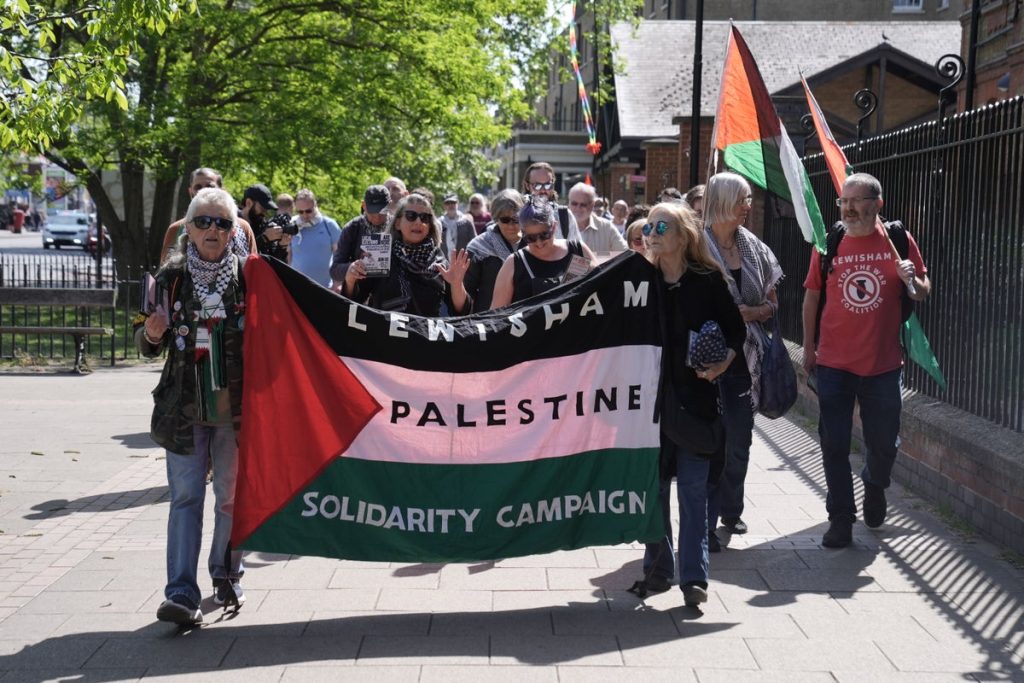
As the landscape of civil discourse in the United Kingdom shifts in 2026, a growing sense of apprehension has taken hold among pro-Palestine activists. Following a series of high-profile security incidents—most notably the tragic Golders Green stabbing—the government and law enforcement agencies are recalibrating their approach to public demonstrations. For many campaigners, this shift feels less like a measured security response and more like a systemic attempt to stifle political dissent.
The Shrinking Space for Political Expression
For years, the streets of London and other major UK cities have served as the primary theater for citizens to express their opposition to foreign policy and humanitarian crises. However, the current climate suggests that the “right to protest” is facing its most significant challenge in recent history.
Organizers from the Palestine Solidarity Campaign (PSC) and other grassroots movements argue that the authorities are leveraging isolated incidents of violence to justify sweeping restrictions. Michael Coulston, a prominent PSC organizer, suggests that the narrative surrounding these marches is being manipulated to frame peaceful dissent as a threat to national security.
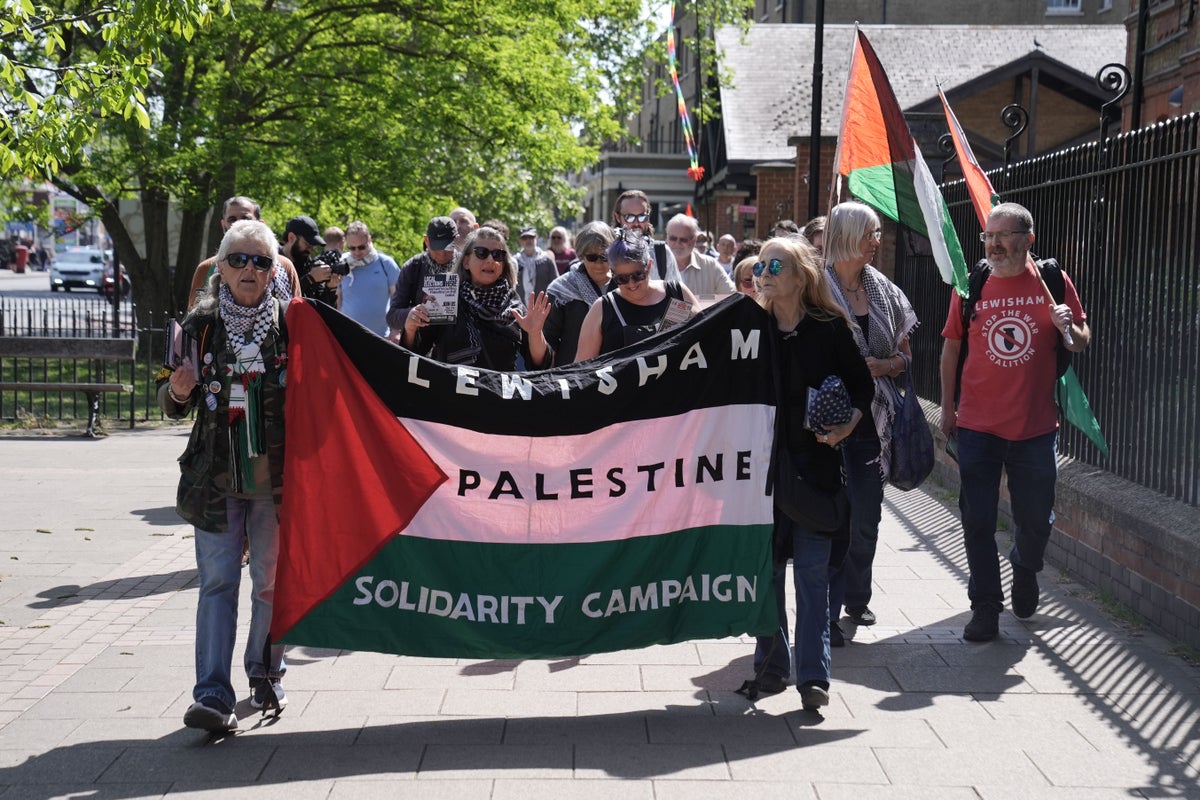
“The authorities will always look for an excuse to prevent protest,” Coulston notes. His sentiment is echoed by many who believe that the government’s focus on specific slogans or the “cumulative” effect of marches is a tactical move to weaken the movement’s momentum.
The “Security” Narrative vs. Civil Liberties
The UK government, led by Prime Minister Sir Keir Starmer, has signaled a clear desire for “tougher action” regarding how demonstrations are managed. This comes alongside Metropolitan Police Commissioner Sir Mark Rowley’s warning regarding a “pandemic” of antisemitism, which has been exacerbated by violent incidents like the Golders Green attack.
While the government maintains that its primary duty is to protect the Jewish community, activists argue that these concerns are being weaponized against the Palestinian solidarity movement.
The Language Debate: Officials have called for crackdowns on specific chants, such as “globalise the intifada.” Protesters argue these are calls for liberation, not hate speech.
The “Cumulative” Impact: The government’s argument that frequent marches cause community tension is viewed by campaigners as an attempt to fatigue the movement.
- Police Powers: Recent legislative changes have empowered police to place stricter conditions on protests, including limiting them to static events, which activists claim renders them ineffective.
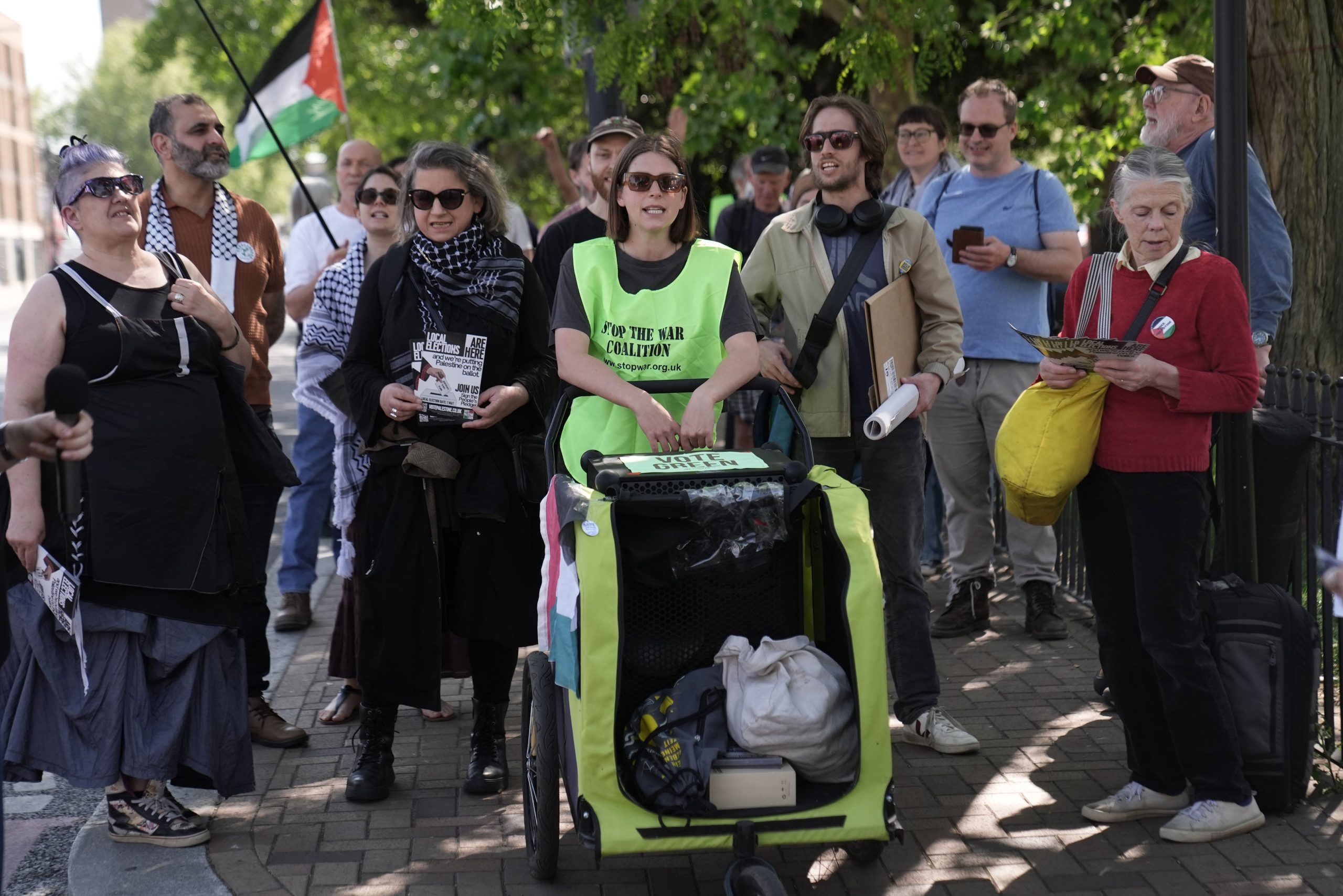
Voices from the Frontlines: A Movement Under Pressure
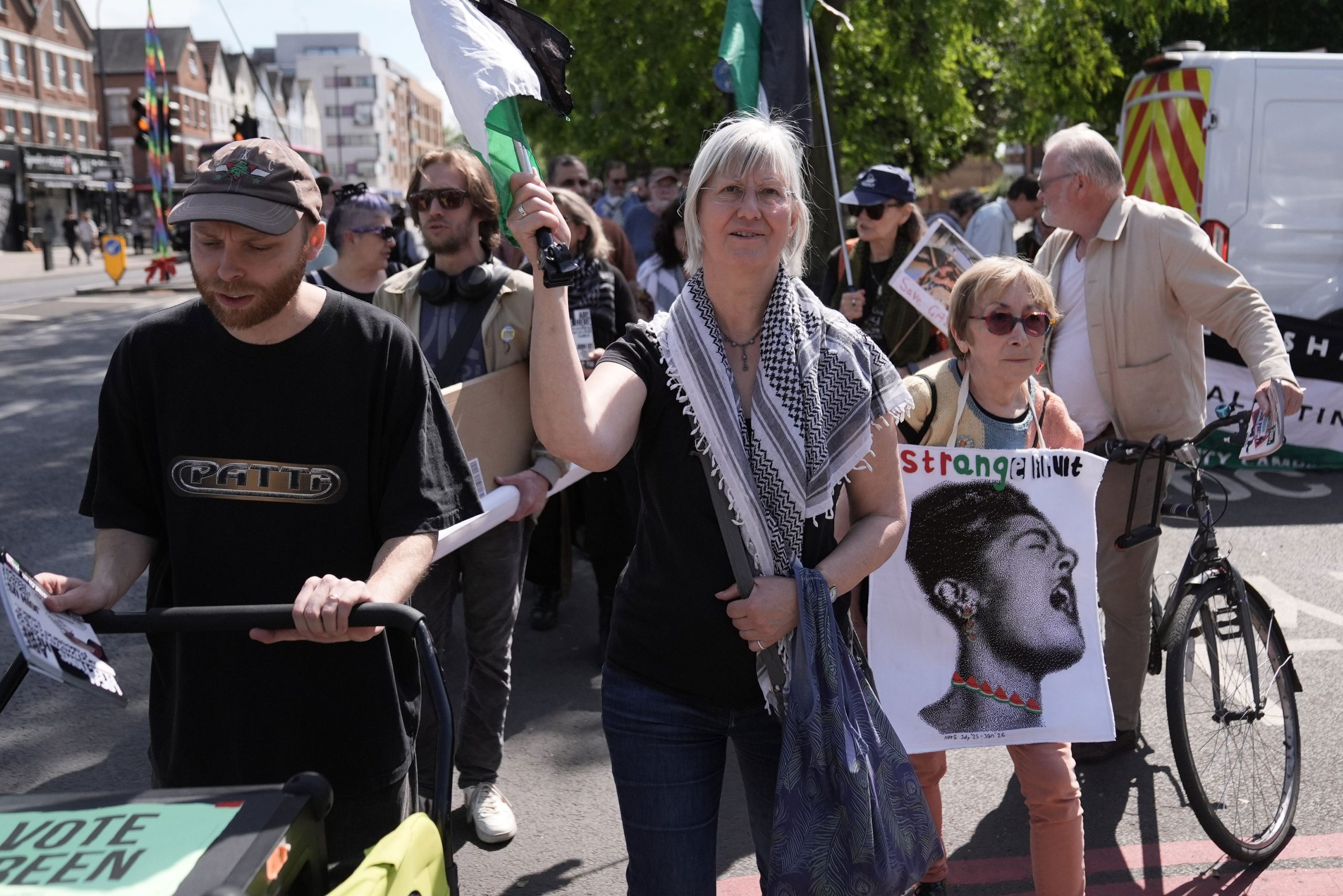
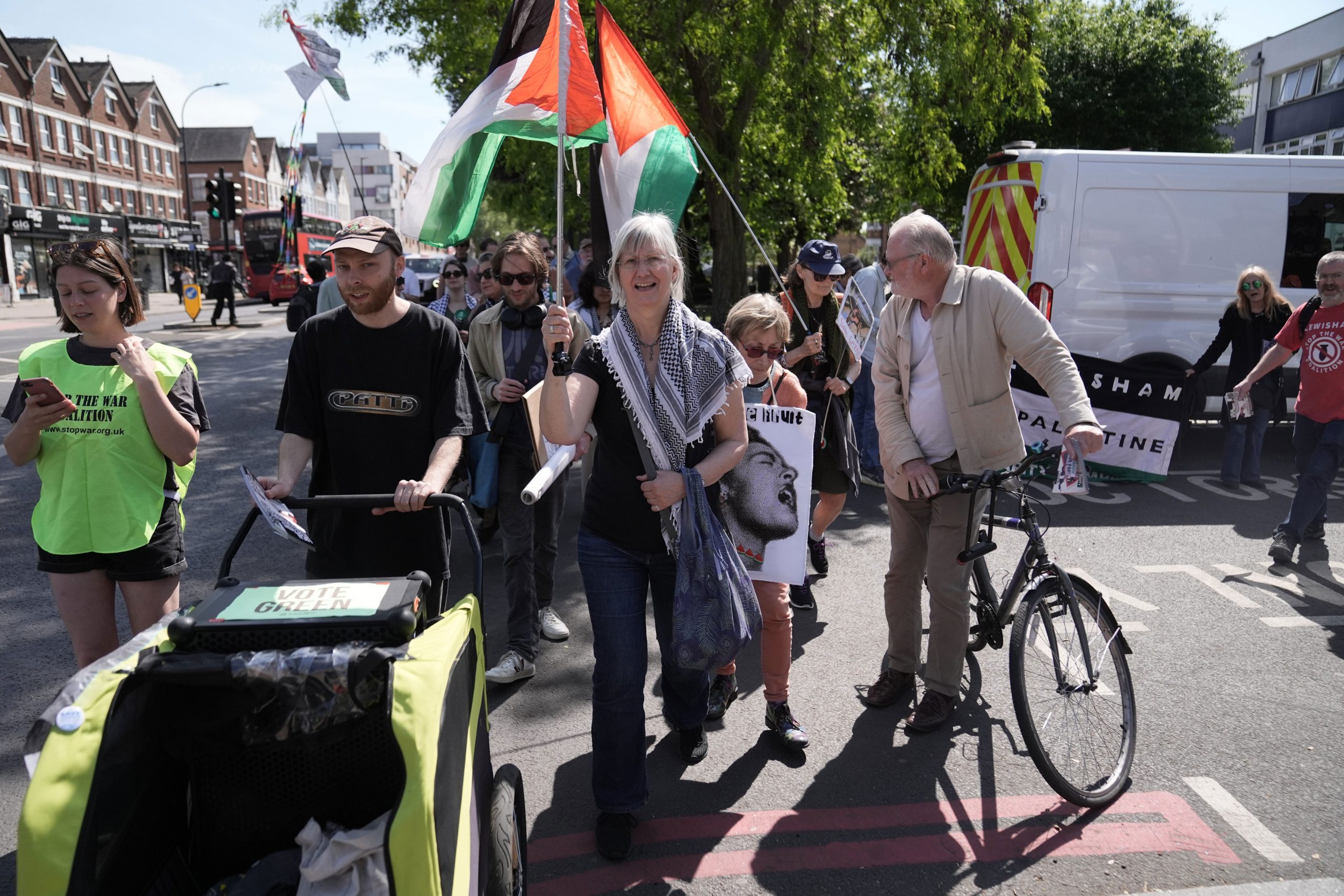
In neighborhoods like Lewisham, small-scale demonstrations continue to take place, serving as a pulse-check for the broader movement. Attendees at these events, ranging from veteran charity workers to younger activists, express a unified fear: that the democratic right to gather is being eroded.
Una Kularatmam, a 73-year-old charity worker, describes the marches as a vital space for community and moral clarity. “It would be tragic if these were stopped,” she says. “These are peaceful marches, not hate marches.”
For others, the fear is more structural. Rana Fadavi, a 33-year-old set designer, believes that the state is intentionally creating a more “repressive” environment. She notes that despite millions of people having taken to the streets over the past few years, the government has remained largely unresponsive. This perceived indifference, combined with the threat of legal clampdowns, has left many feeling that the democratic process is failing to account for their grievances.
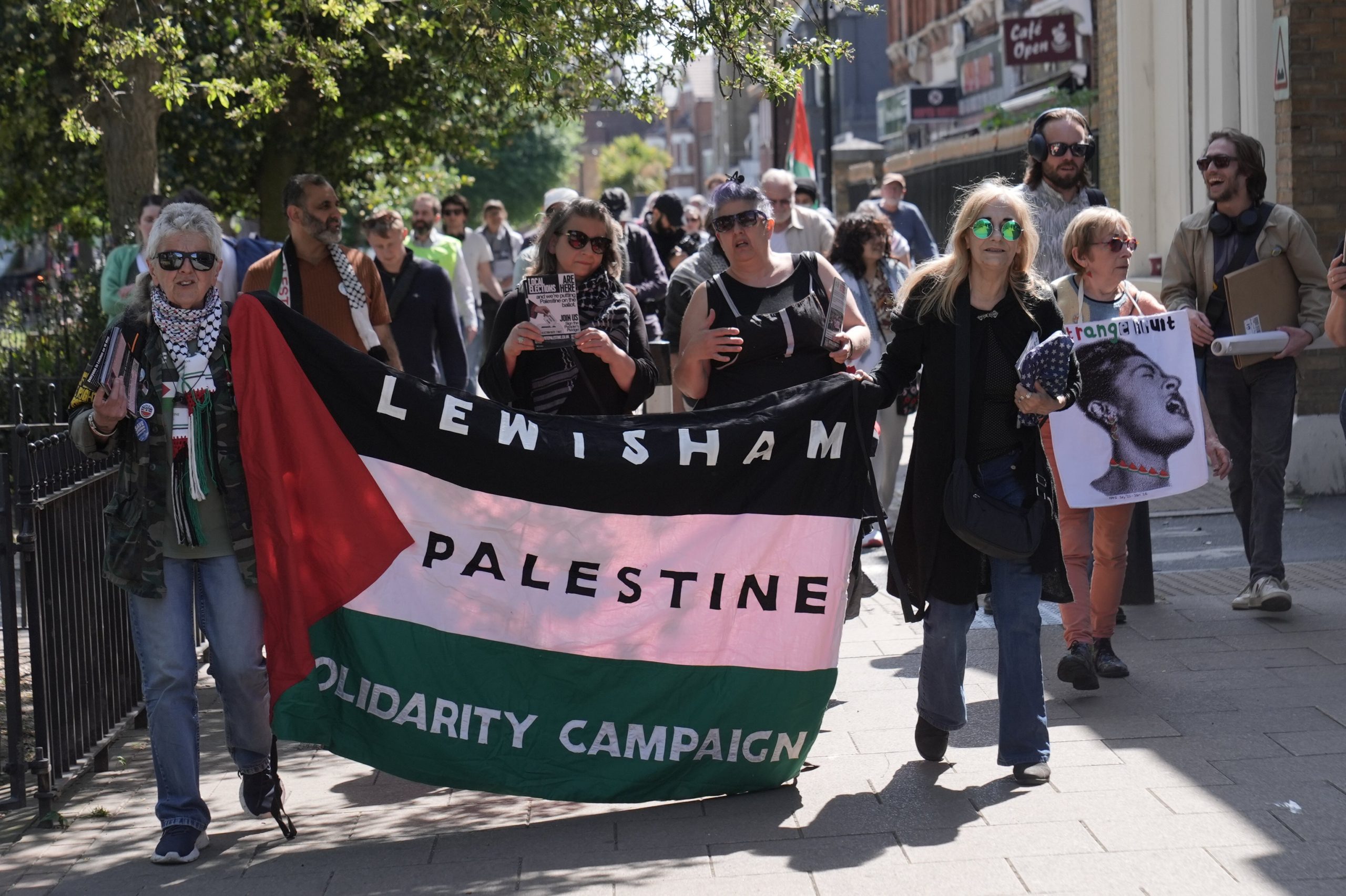
The Role of the Media and Political Rhetoric
A recurring theme among protesters is the belief that mainstream media and political rhetoric are “whipping up” fear to justify a crackdown. Hilary Knight, 62, maintains that in her experience across numerous national marches, she has never encountered the antisemitism that critics frequently cite.
“I have been on marches where there has been a substantial presence of Jewish people who have marched happily in solidarity with us,” Knight explains. This perspective highlights the disconnect between the official government narrative and the reality experienced by those on the ground.
The Stop the War Coalition has been vocal in rejecting the idea that these marches threaten the Jewish community. They argue that the movement is inclusive and that the branding of these events as “hate marches” is a bad-faith effort to silence legitimate political opposition.
What Lies Ahead for UK Protest Culture?
As we move further into 2026, the intersection of national security and civil rights remains a flashpoint. The Metropolitan Police have made it clear that while they cannot ban protests outright, they are prepared to utilize “very high bars” to restrict them to static events or impose strict conditions.
This creates a precarious situation for organizers. If the government continues to tighten the legal framework, the UK may see a shift toward more decentralized, harder-to-control forms of protest. Or, conversely, the movement may face a period of decline if the cost of participation—legal risks, arrests, and public stigmatization—becomes too high for the average citizen.
Conclusion: The Future of Dissent
The tension between the government’s need to maintain public order and the public’s desire to protest against perceived injustices is reaching a breaking point. For pro-Palestine campaigners, the fear of a “clampdown” is not just about the loss of a march; it is about the loss of a platform that allows them to hold power to account.
Whether the government’s measures will succeed in curbing the movement remains to be seen. However, one thing is certain: the debate over where the line should be drawn between public safety and the fundamental right to protest will define the political landscape of the UK for the foreseeable future. As the Defend Our Juries campaign poignantly stated on social media, the core of the conflict is a struggle between “ending the genocide” and preserving the “freedoms to oppose it.”