Awkward Alliance: Zack Polanski Hits the Campaign Trail with Welsh Green Leader Amidst Police Row

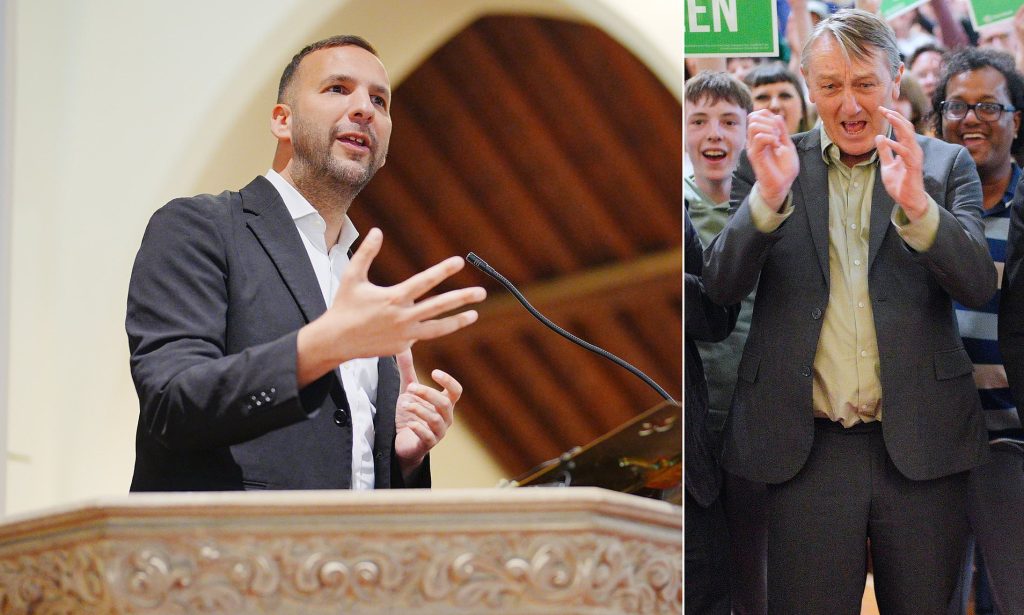
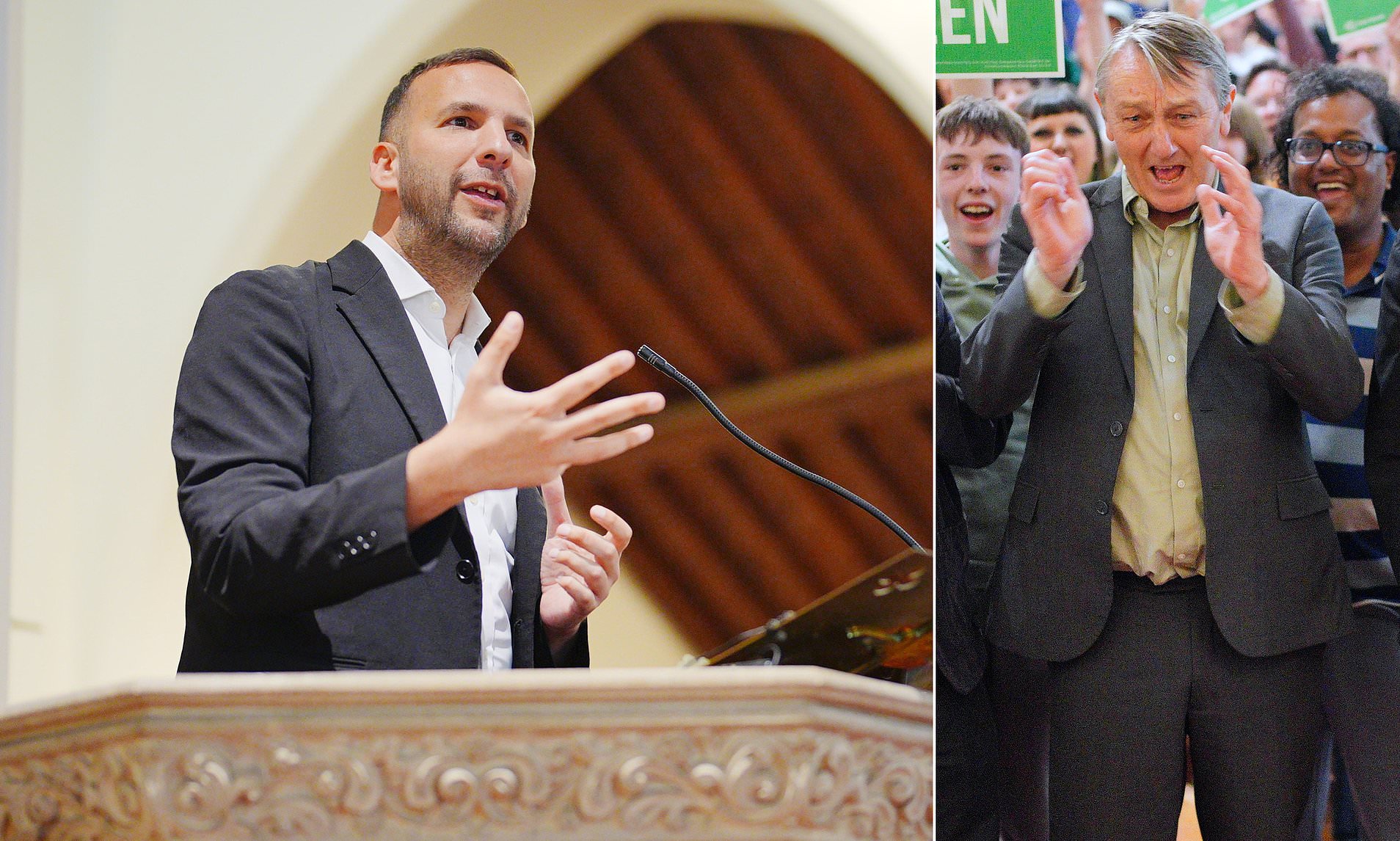
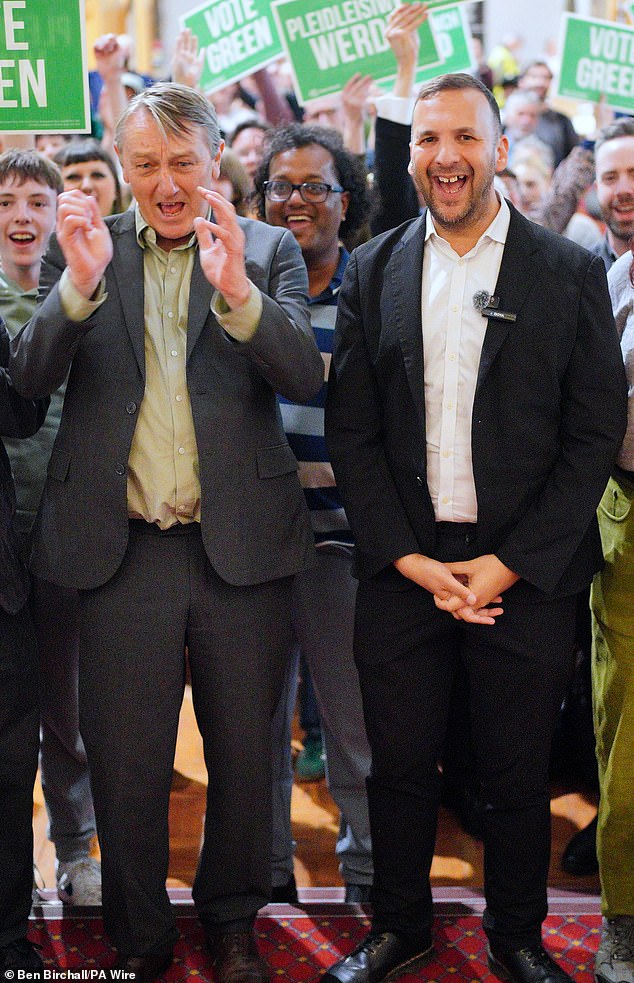
The political landscape in 2026 is proving to be as volatile as it is unpredictable. As the local election cycle reaches a fever pitch, Green Party leader Zack Polanski finds himself navigating a delicate tightrope walk. In a move that has raised eyebrows across Westminster and beyond, Polanski appeared on the campaign trail in Cardiff, Wales, standing shoulder-to-shoulder with Anthony Slaughter, the leader of the Welsh Greens—the very man who publicly rebuked him just days prior.
The source of the friction? A controversial social media post shared by Polanski regarding the police response to the Golders Green terror attack. The incident, which left two individuals injured, became a flashpoint for a national debate on policing, ethics, and the responsibilities of political leadership in the digital age.
The Spark: A Retweet That Ignited a Firestorm
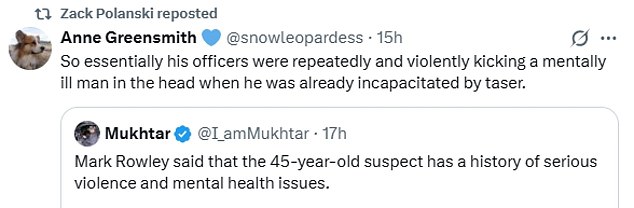
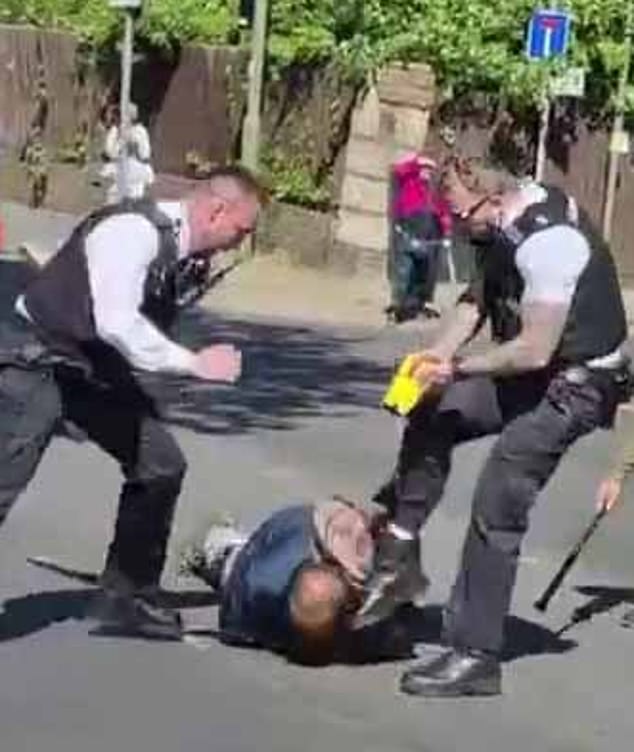
The controversy erupted when Polanski, 43, reshared an online critique that characterized the Metropolitan Police’s handling of the Golders Green suspect as “repeatedly and violently kicking a mentally ill man.” The suspect had allegedly stabbed two people—Shloime Rand and Moshe Ben Baila—following an initial altercation at a private residence.
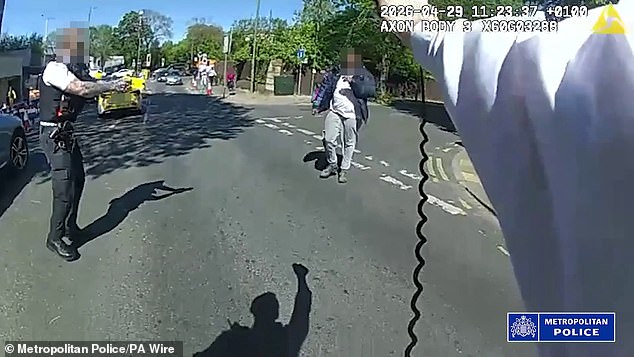
The footage of the arrest showed officers using a Taser and physical force to subdue the armed individual. Met Police Chief Sir Mark Rowley was quick to defend his officers, labeling the criticism as “inaccurate and misinformed.” He emphasized that the officers faced a split-second decision against an armed suspect who they feared might be carrying explosives.
Political Fallout and the “Not Fit to Lead” Accusation
The backlash was swift and severe. Prime Minister Sir Keir Starmer did not mince words, appearing on BBC Radio 4 to condemn the Green leader’s intervention. Starmer argued that the officers were acting to neutralize a lethal threat, stating, “For politicians to wade in, as Zack Polanski did, is disgraceful. He’s not fit to lead any political party.”
For a politician who has previously signaled ambitions for the premiership, the optics were disastrous. The accusation that he seemed more concerned with the welfare of a suspected terrorist than the victims struck a nerve with the public and even within his own party ranks.
A Strategic Display of Unity in Cardiff
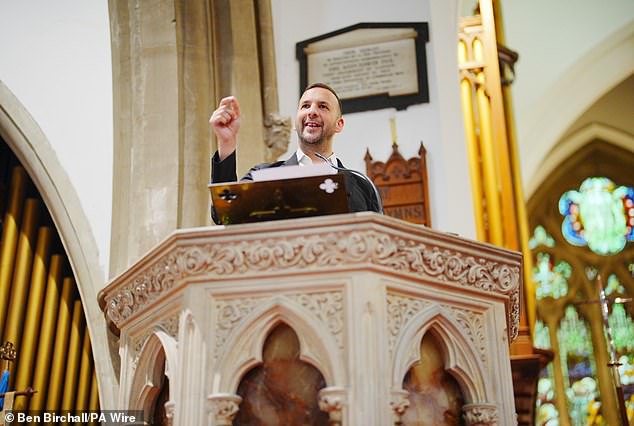
Despite the public rift, the scene in Cardiff this week was one of orchestrated unity. Speaking at the Church of Saint John The Evangelist, both Polanski and Slaughter attempted to put the controversy behind them. The appearance was clearly designed to signal that the Green Party remains a cohesive force despite the intense national scrutiny.
Slaughter’s Pivot: From Critic to Ally
Anthony Slaughter, who had admitted on LBC that he hadn’t seen the tweet when he initially criticized it, appeared to have shifted his stance to prioritize party discipline. “I think he’s cleared things up and he’s apologised,” Slaughter told reporters. “As far as we’re concerned, it’s all been cleared up now.”
This shift is emblematic of the “fast-moving” nature of modern political crises. By framing the incident as a social media error that has since been “cleared up,” the Welsh Green leadership is betting that voters will prioritize policy over the social media gaffes of their leadership.
The 2026 Election Landscape in Wales
The timing of this incident is particularly sensitive. The political landscape in Wales is undergoing a seismic shift. While the Labour Party has historically dominated the Senedd, recent polling suggests a surge for Plaid Cymru and Reform UK.
The Green Party, meanwhile, is fighting to capitalize on this dissatisfaction. The latest YouGov MRP projections suggest the Greens could secure seven seats, making every internal dispute a potential liability in their quest for electoral relevance.
Beyond the Row: The Policing Debate
While Polanski has apologized for sharing the post “in haste,” he maintains that police responses to emergency situations require “later reflection in the right forums.” He has reportedly invited Sir Mark Rowley to meet and discuss the broader issues of police conduct and transparency.
Whether this meeting will happen—and whether it will satisfy the critics who called for his resignation—remains to be seen. The incident has highlighted a growing tension between those advocating for strict law-and-order policing and those calling for increased oversight of state use of force.
Conclusion: A Turning Point for the Greens?
The “awkward” campaign appearance in Cardiff serves as a microcosm of the challenges facing the Green Party in 2026. As they attempt to transition from a protest-oriented party to a serious contender for power, they are finding that the scrutiny on their leadership is becoming increasingly intense.
For Zack Polanski, the road ahead involves balancing his activist roots with the pragmatic requirements of a party leader. Whether the voters of Wales—and the wider UK—will forgive his social media misstep or view it as a disqualifying error in judgment will be determined at the ballot box this Thursday.